
Haiga (haikai drawing) is a style of Japanese painting that incorporates the aesthetics of haikai,a Japanese verse or prose. Haiga are typically painted by haiku poets (haijin), and often accompanied by a haiku poem.
Like the poetic form it accompanied, haiga was based on simple, yet often profound, observations of the everyday world
Haiku poetry:
This kind of poetry was originally developed by Japanese poets.These are poems that use sensory language to capture a feeling or an image,often inspired by nature.
A Haiku is composed of three word groupings in separate lines.The seventeen total syllables are divided into a five-seven-five syllable count for each corresponding line.Because Japanese words are commonly shorter than that of the English language,it is not uncommon to vary the 17-syllable count.
Matsuo Bashō(1644-1694) was the most famous poet of the Edo period in Japan.
One of his most famous Haikus is about the frog and the old pond.
An old silent pond…
A frog jumps into the pond,
splash! Silence again.
Te next painting tries to capture this Haiku.

The old pond
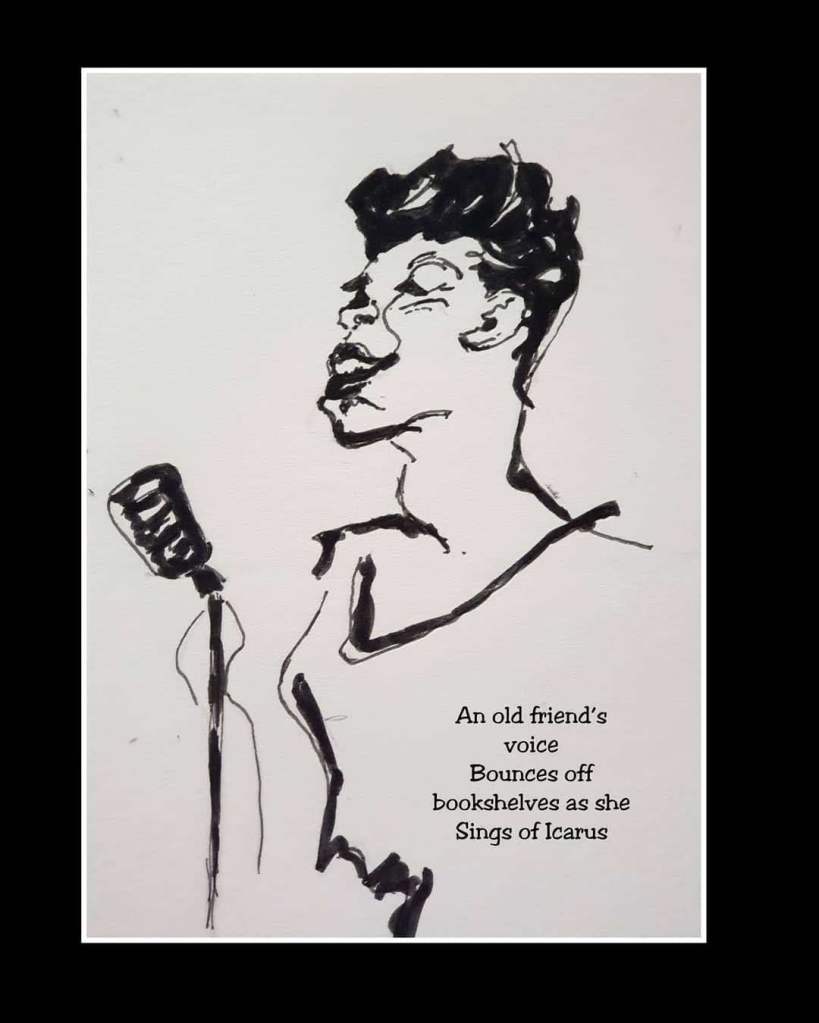
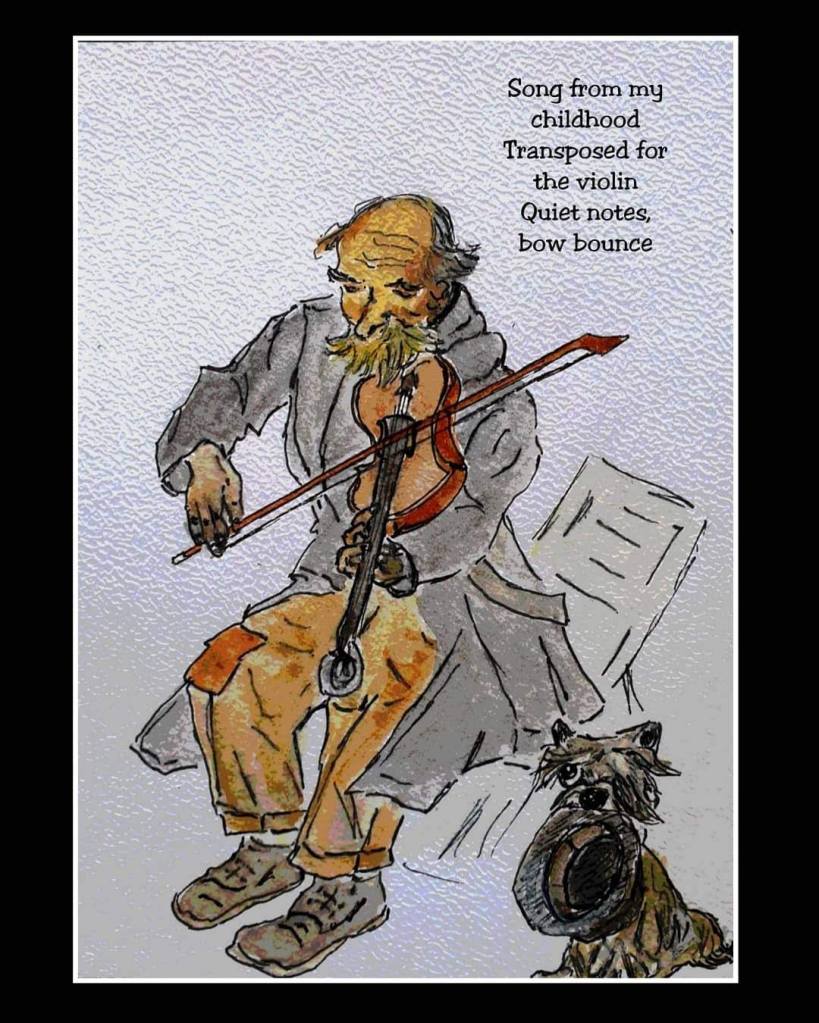
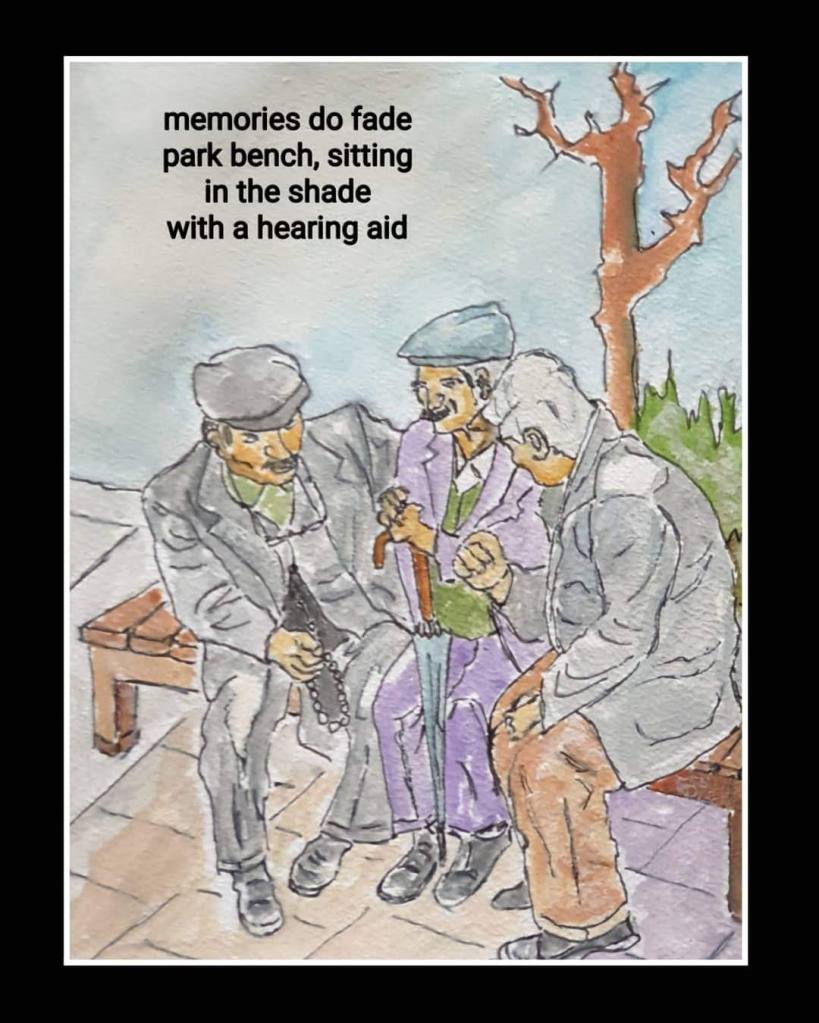
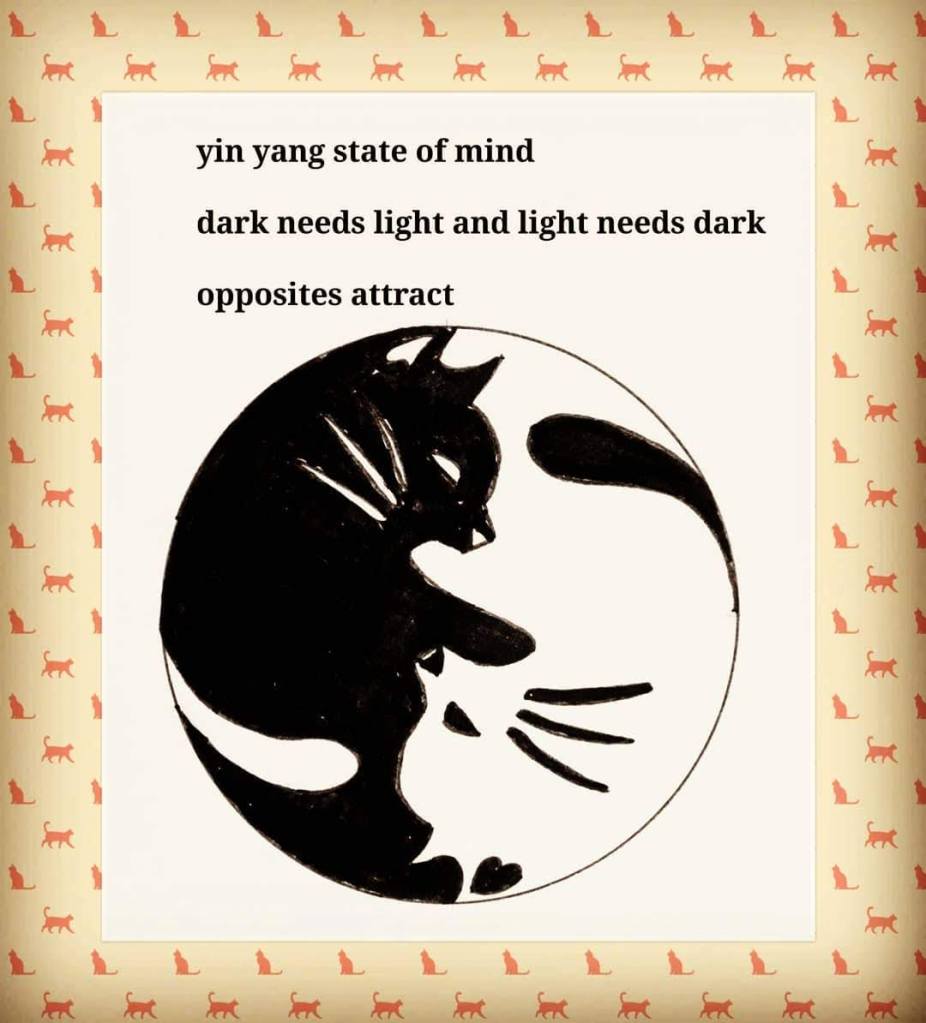
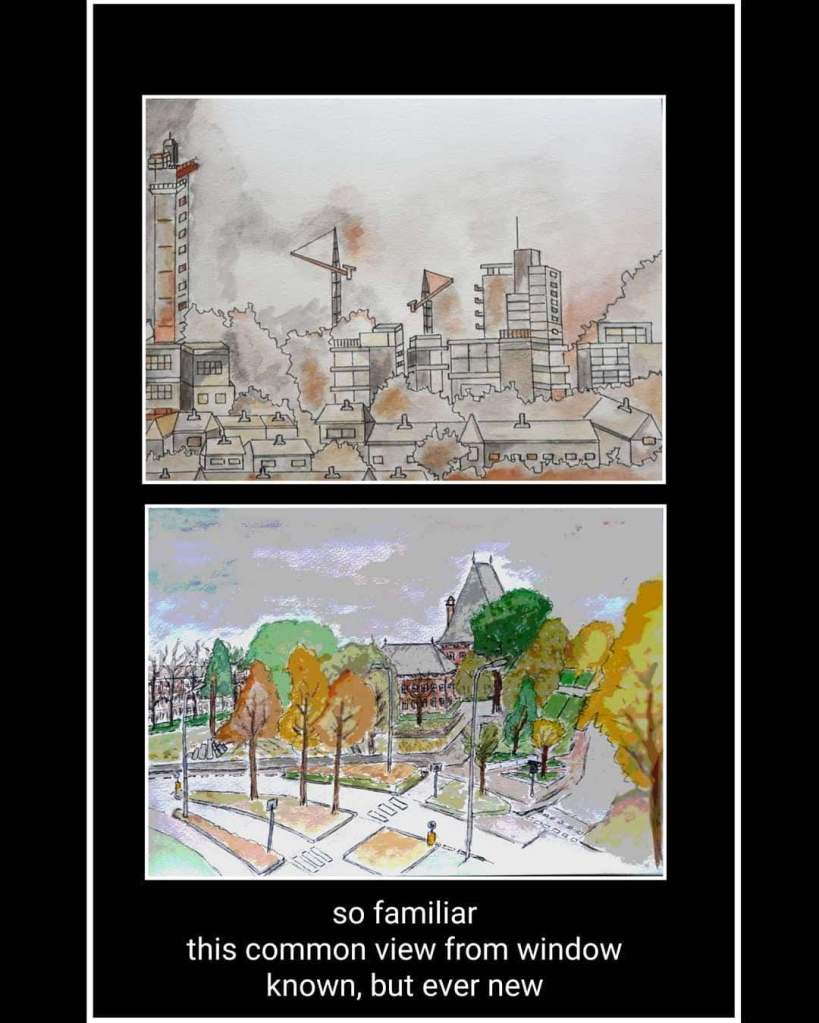
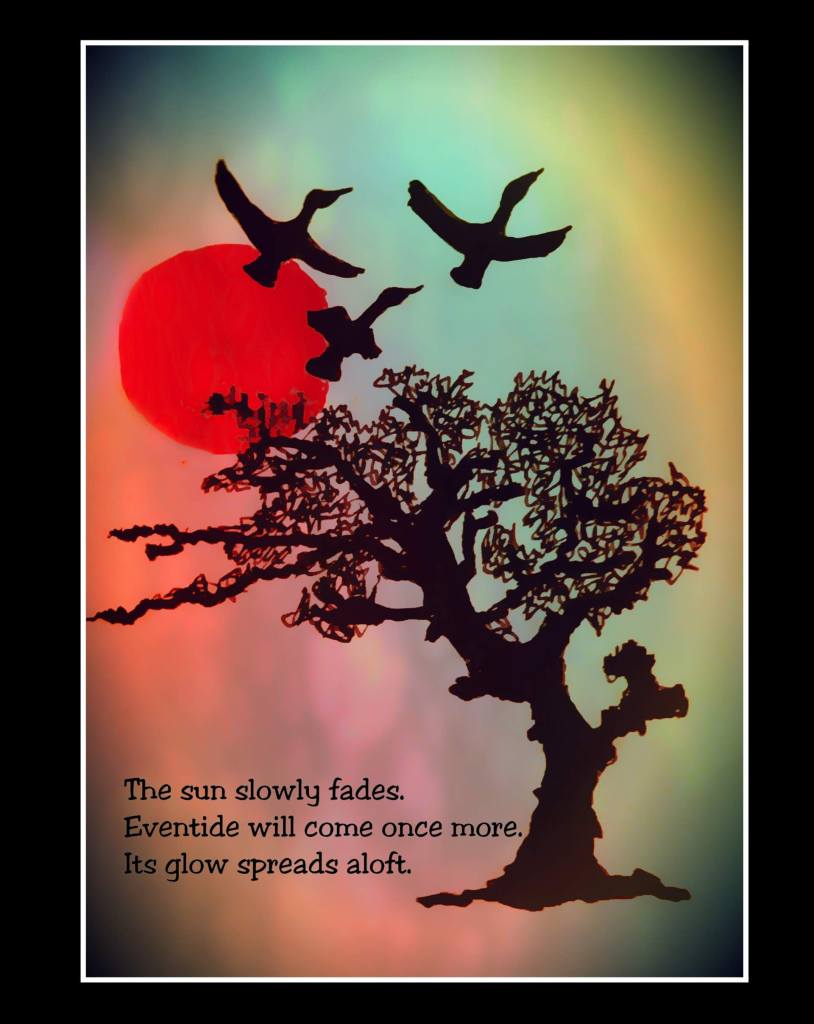
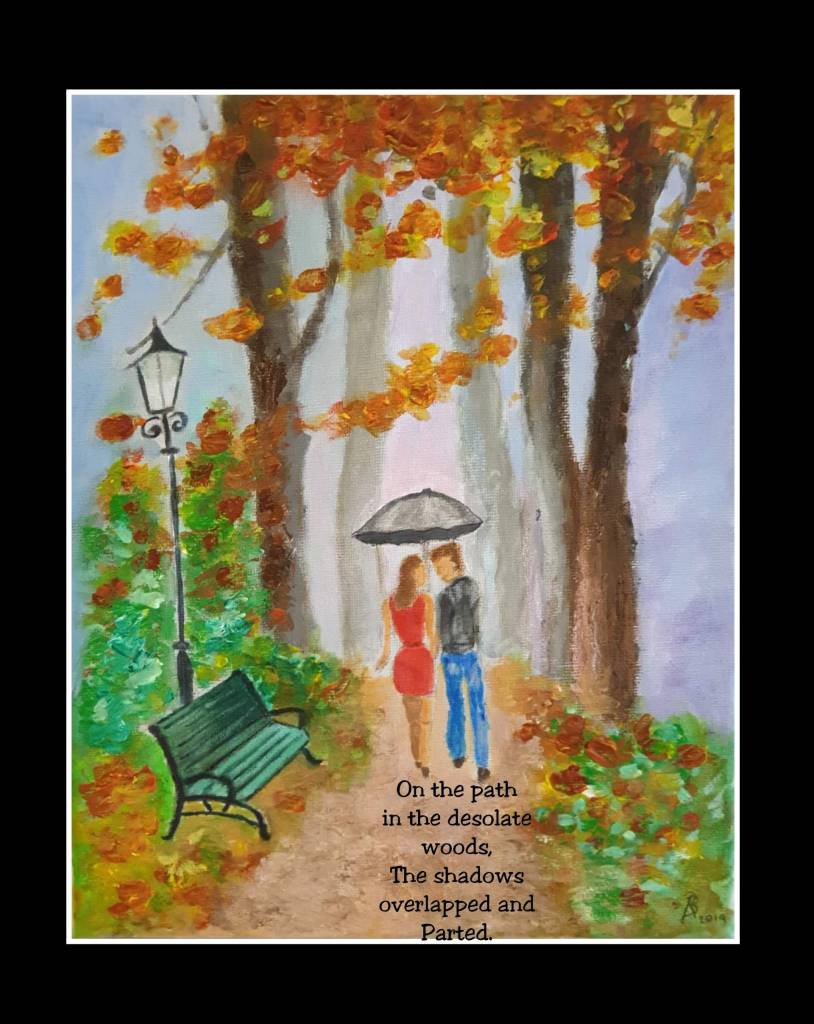
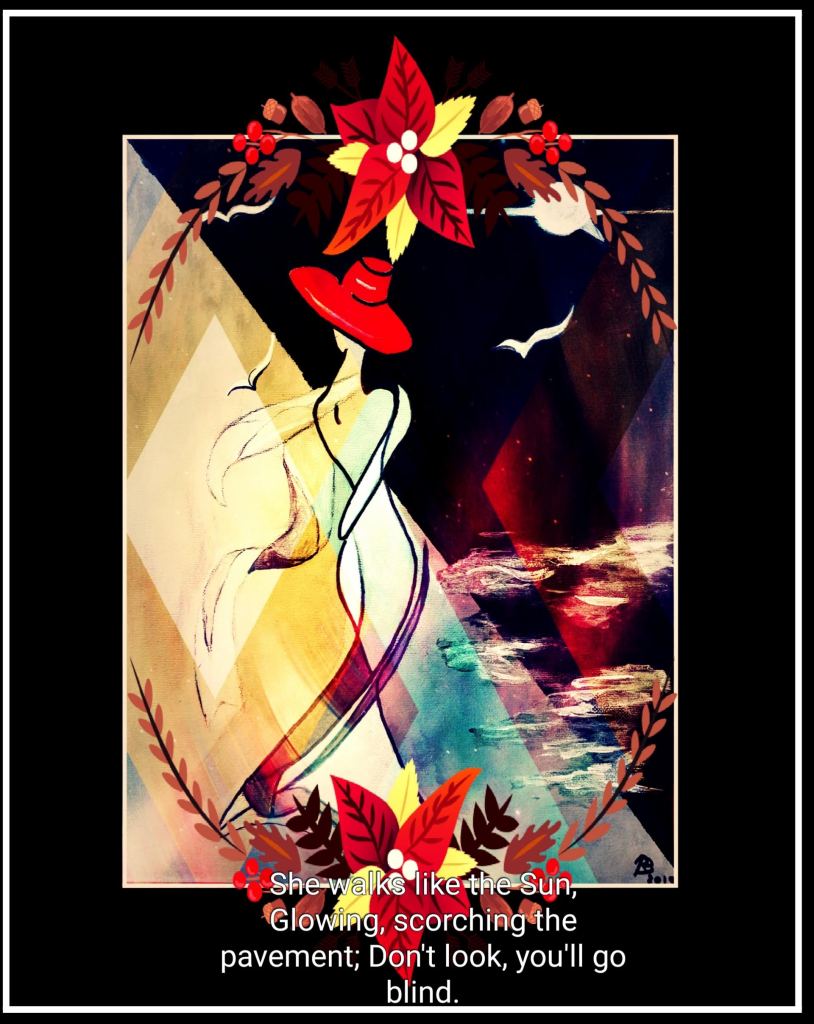
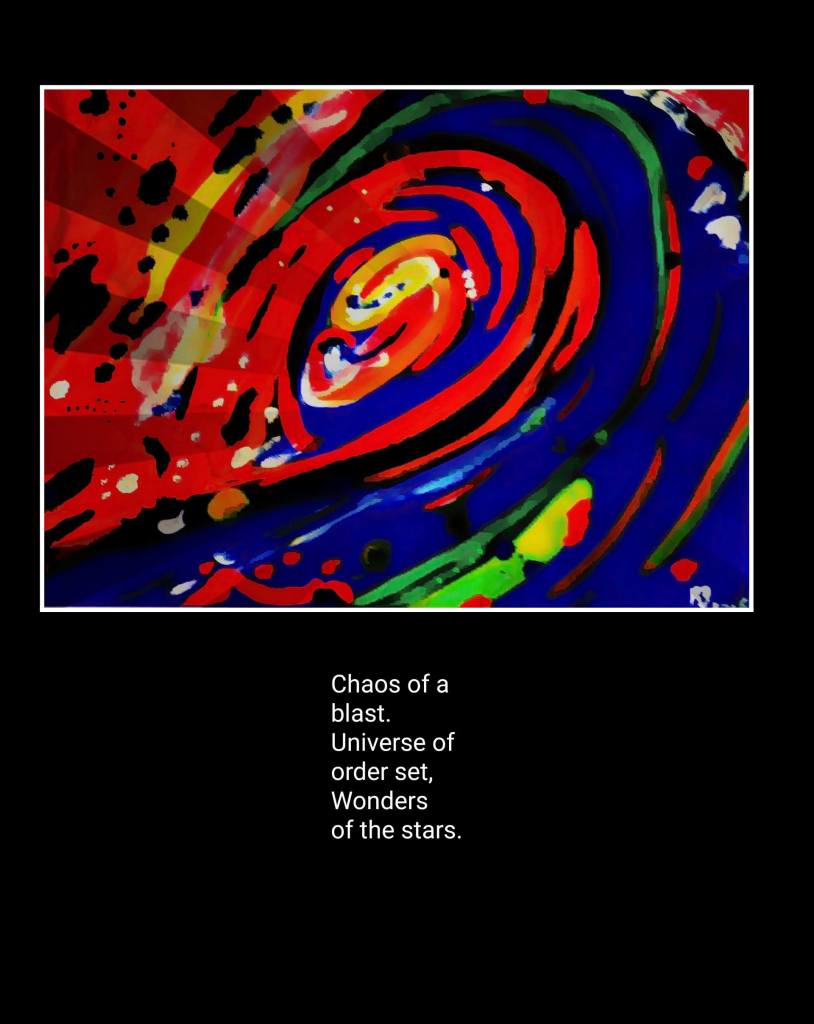
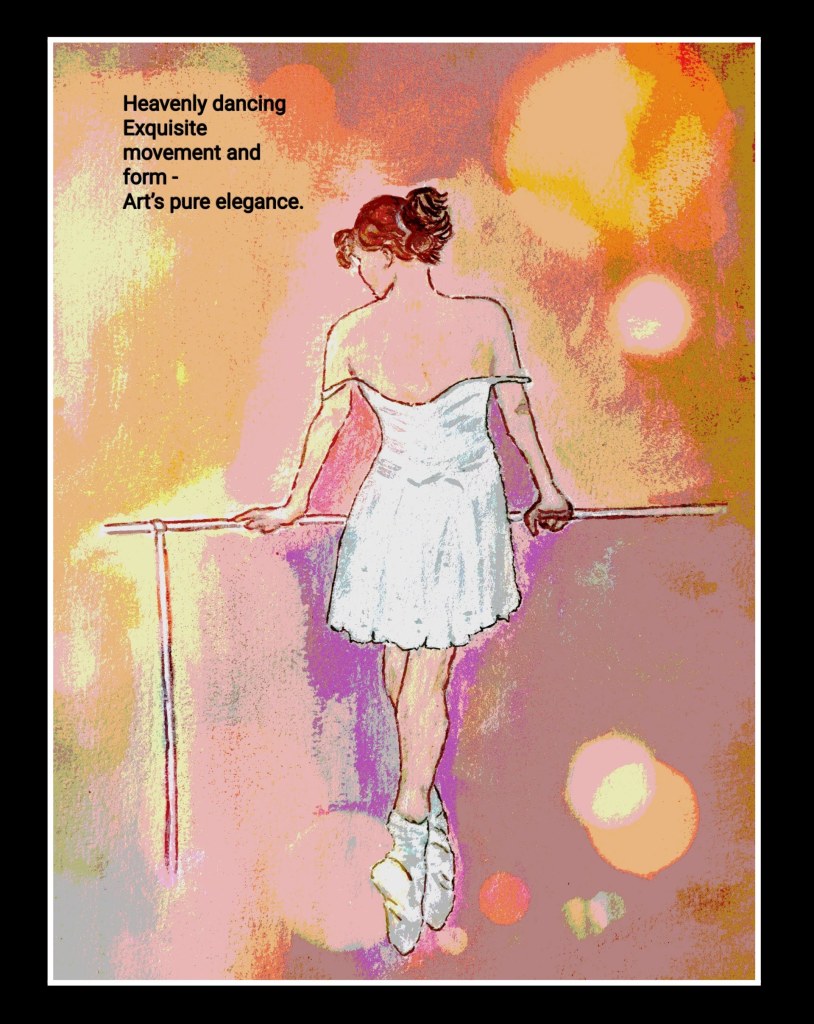
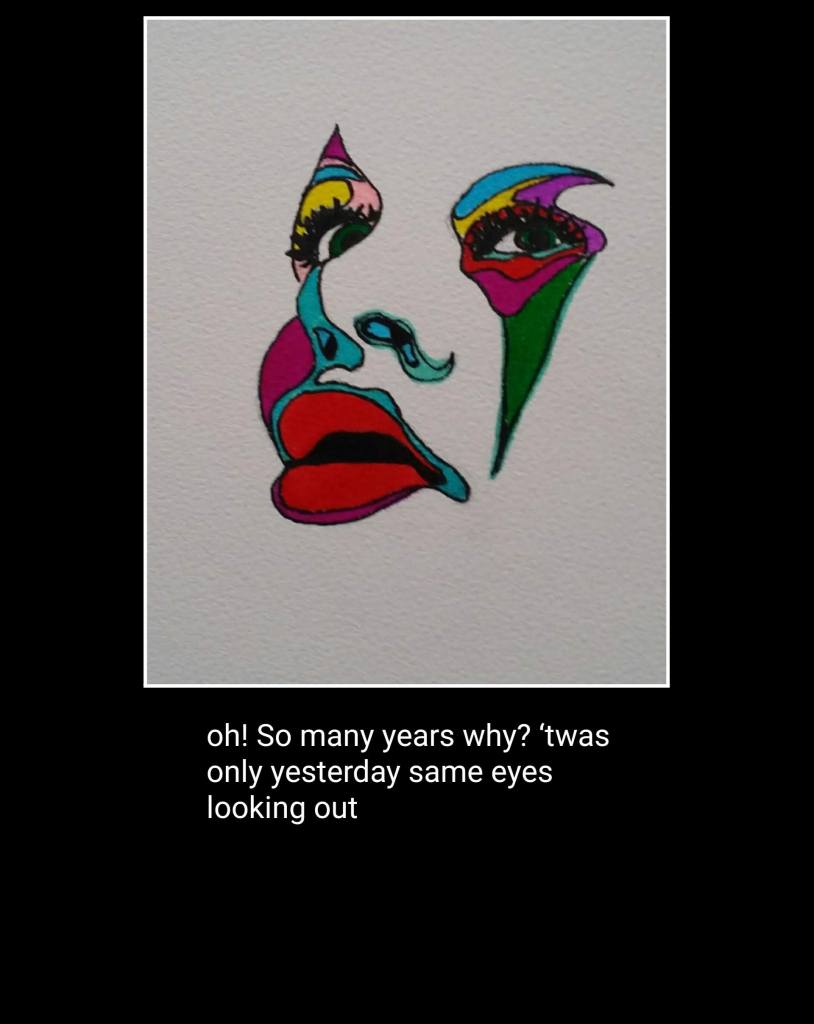
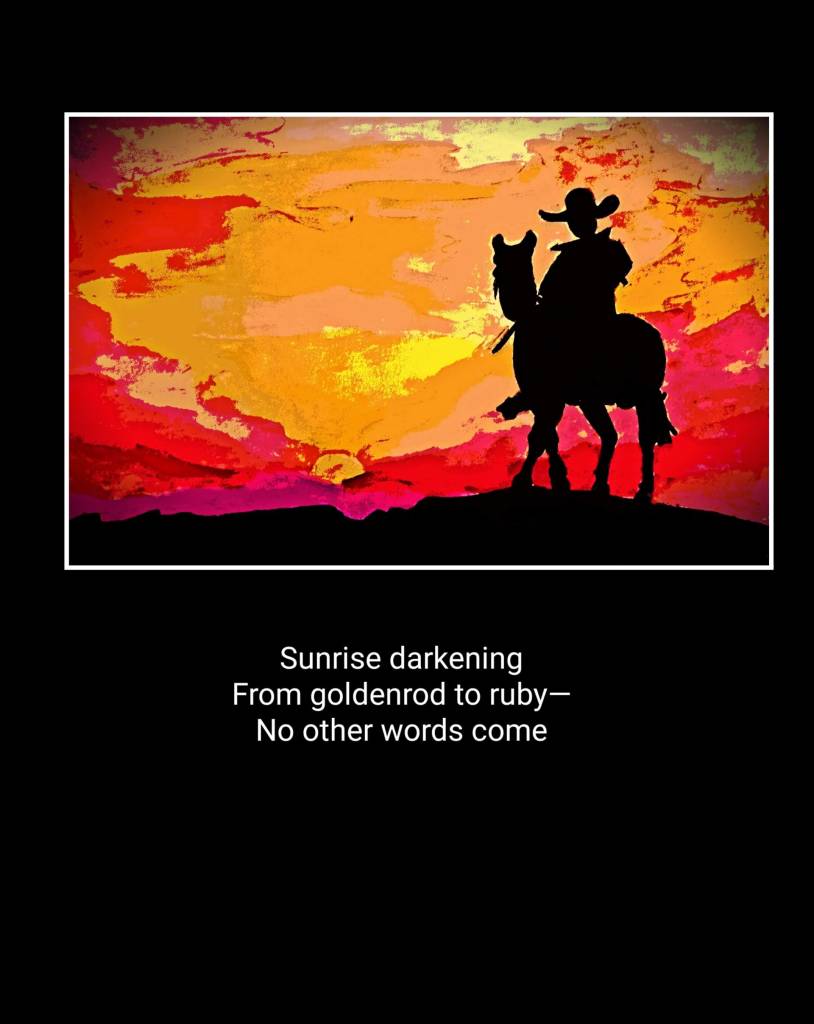
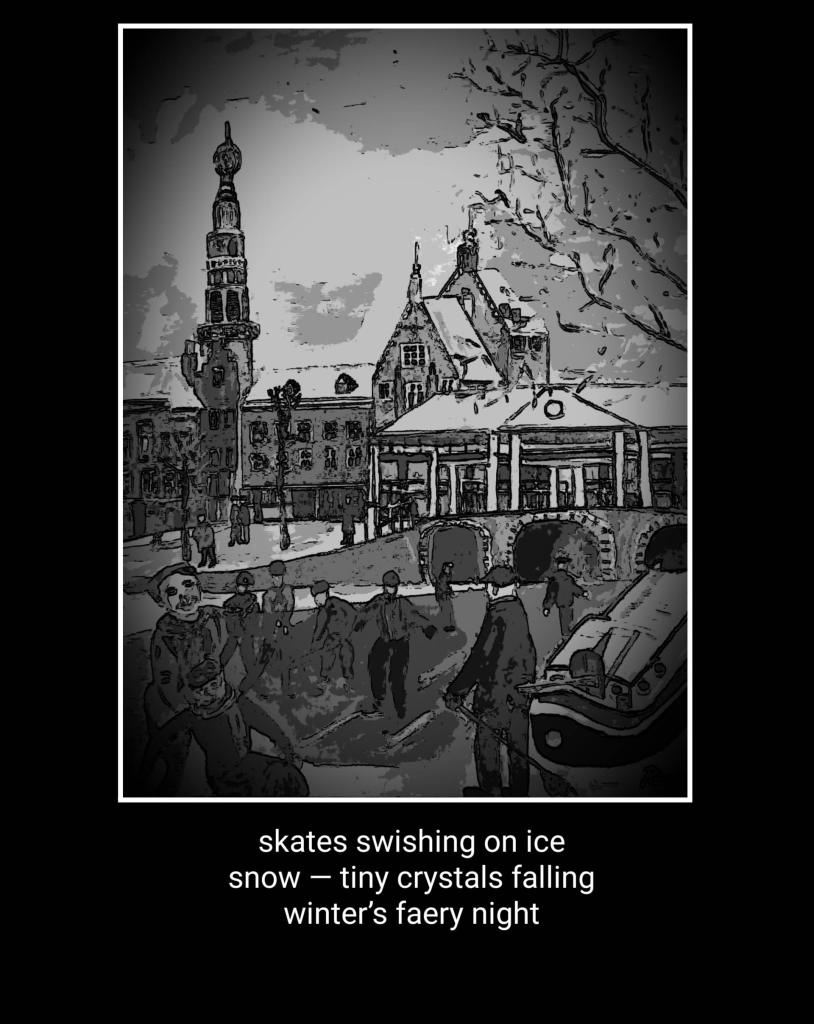
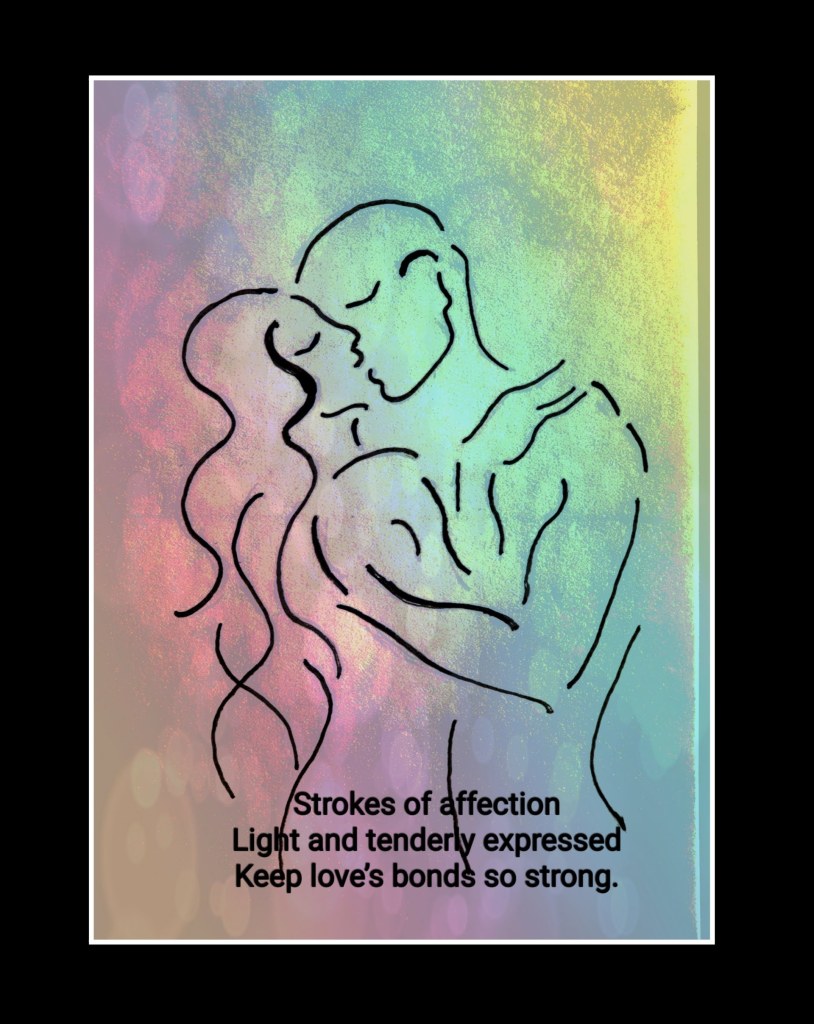
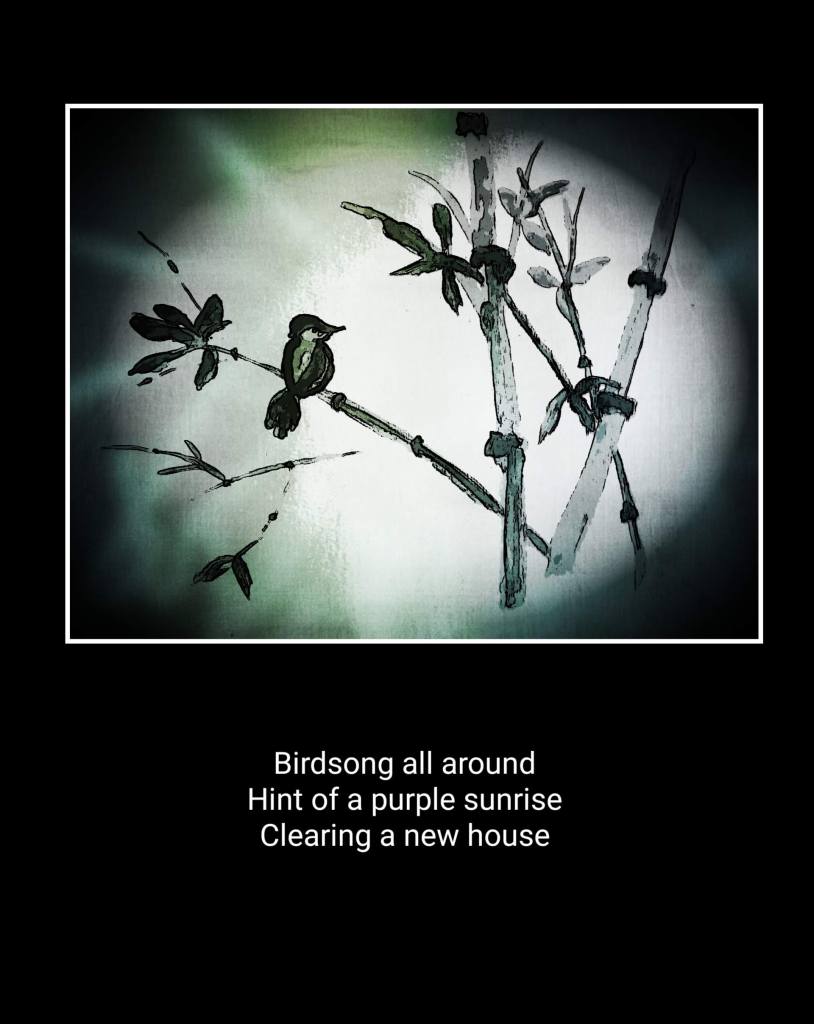
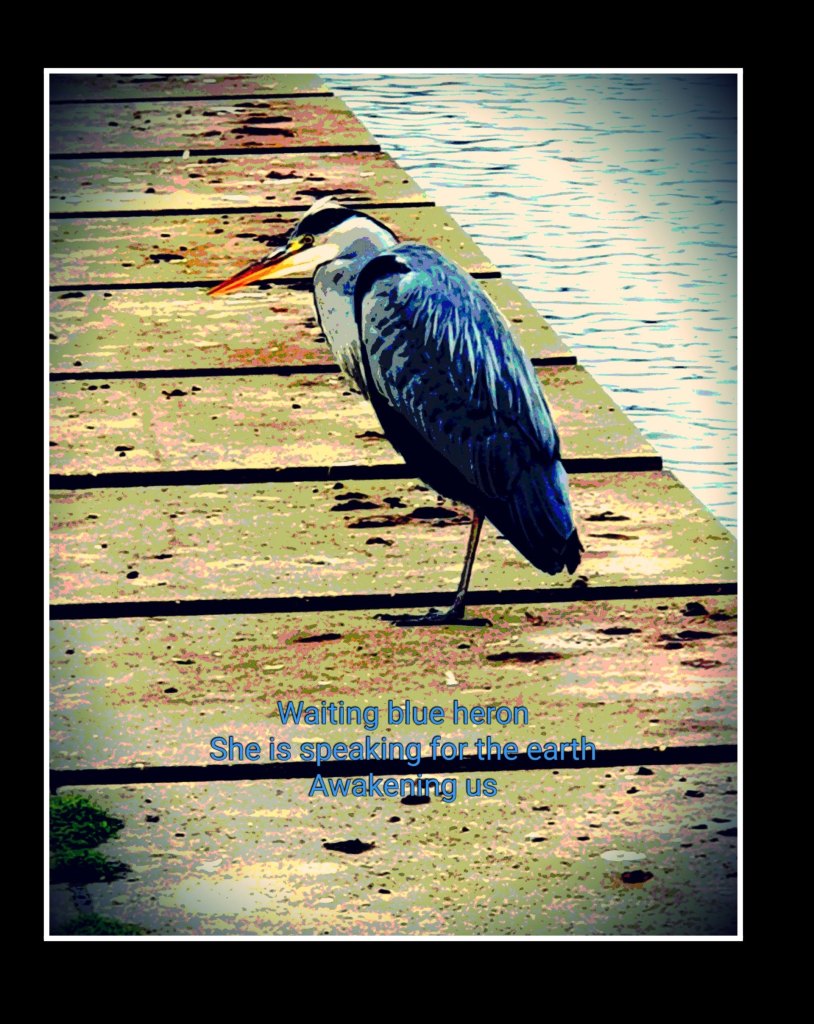
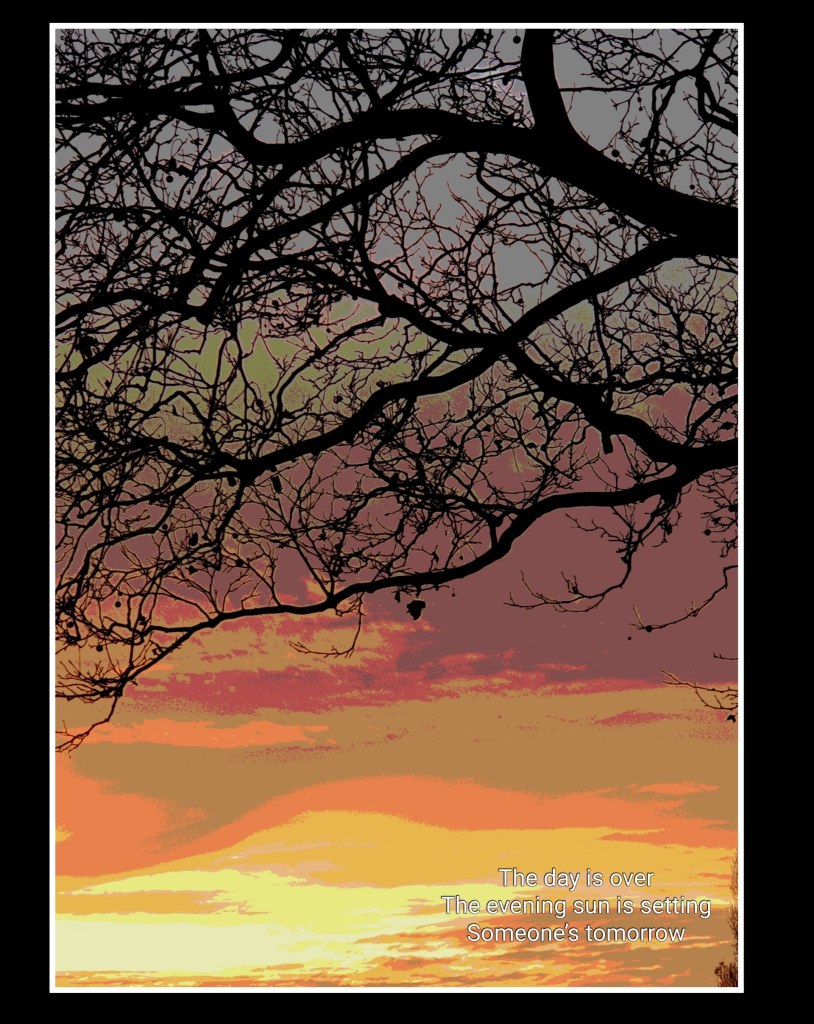
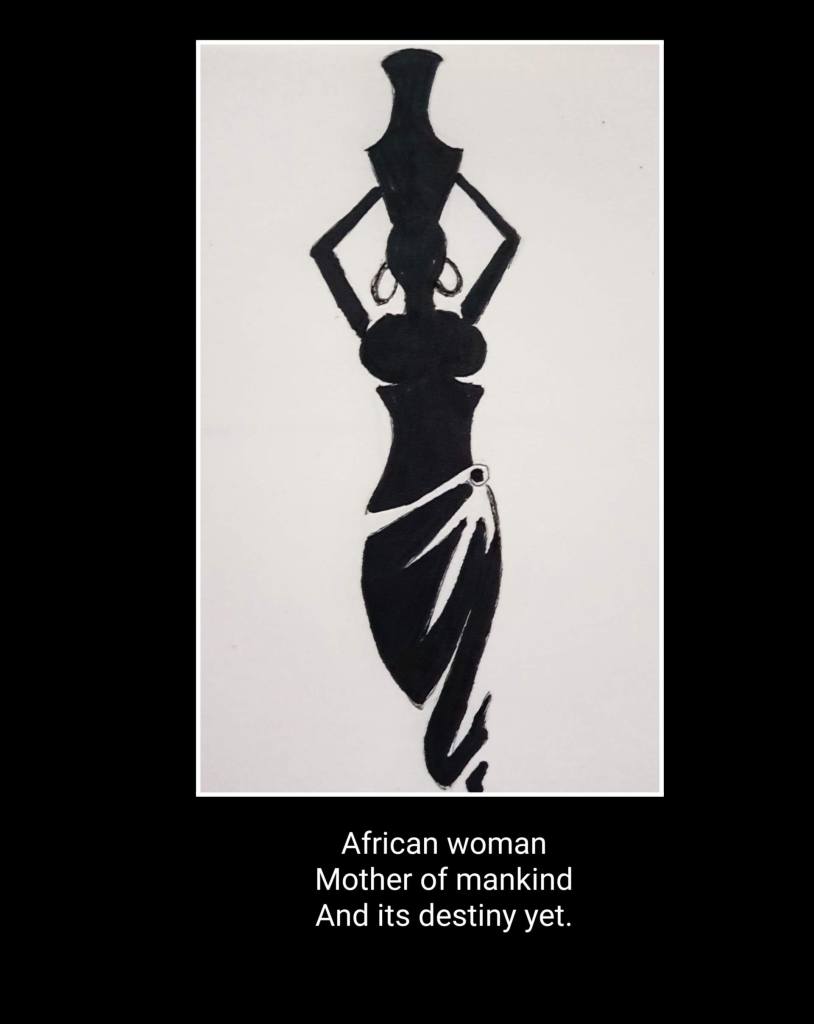
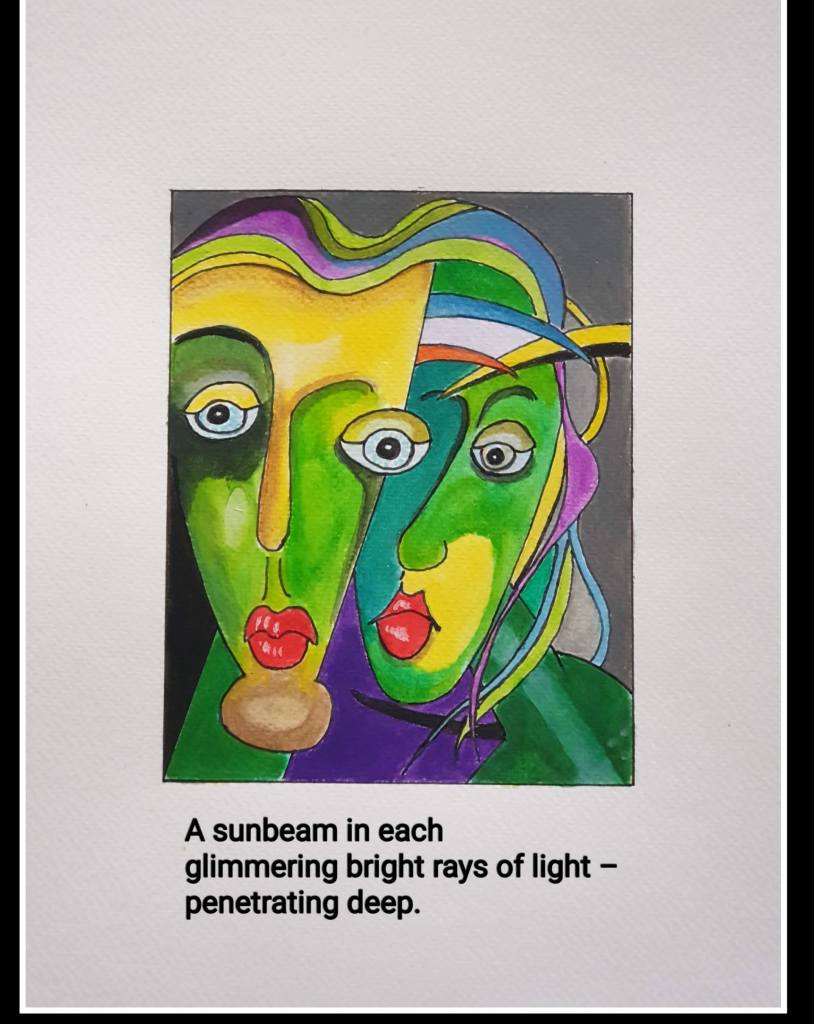
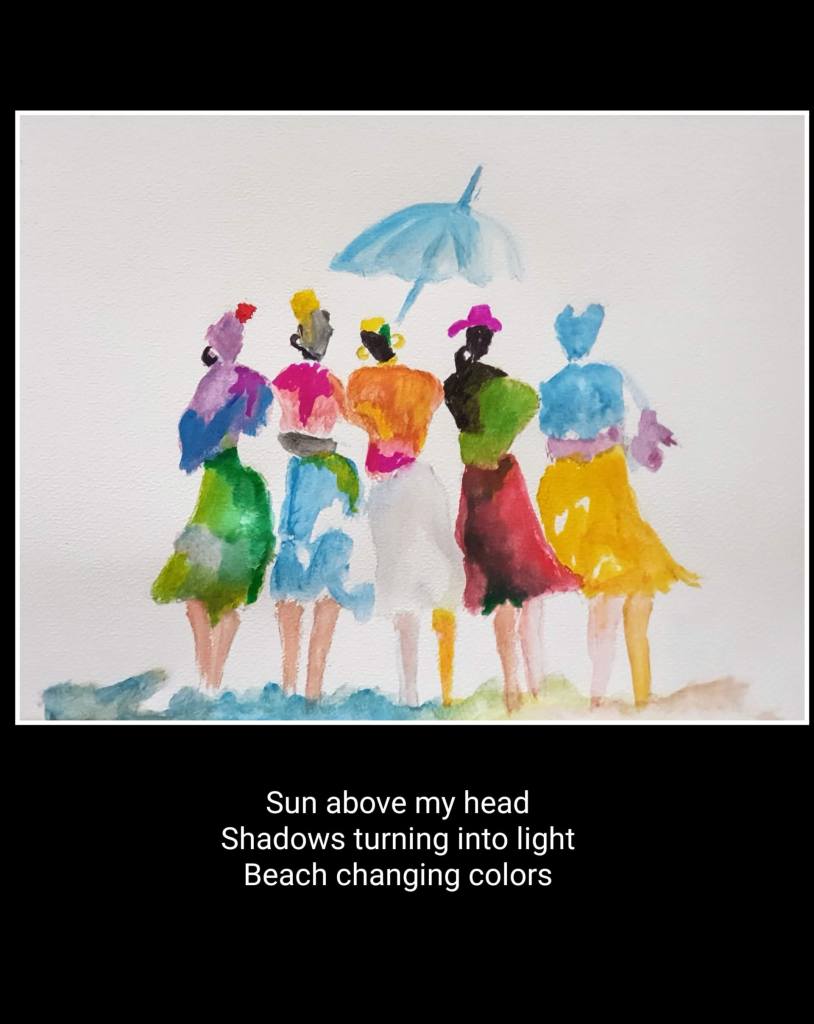
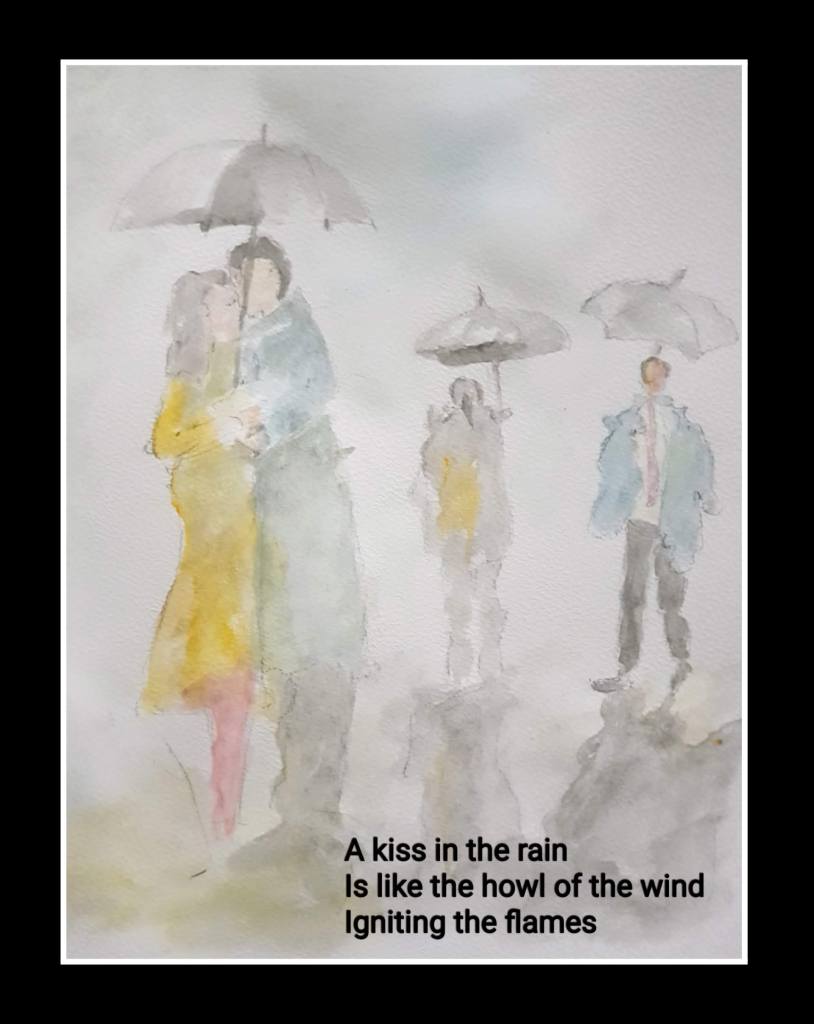
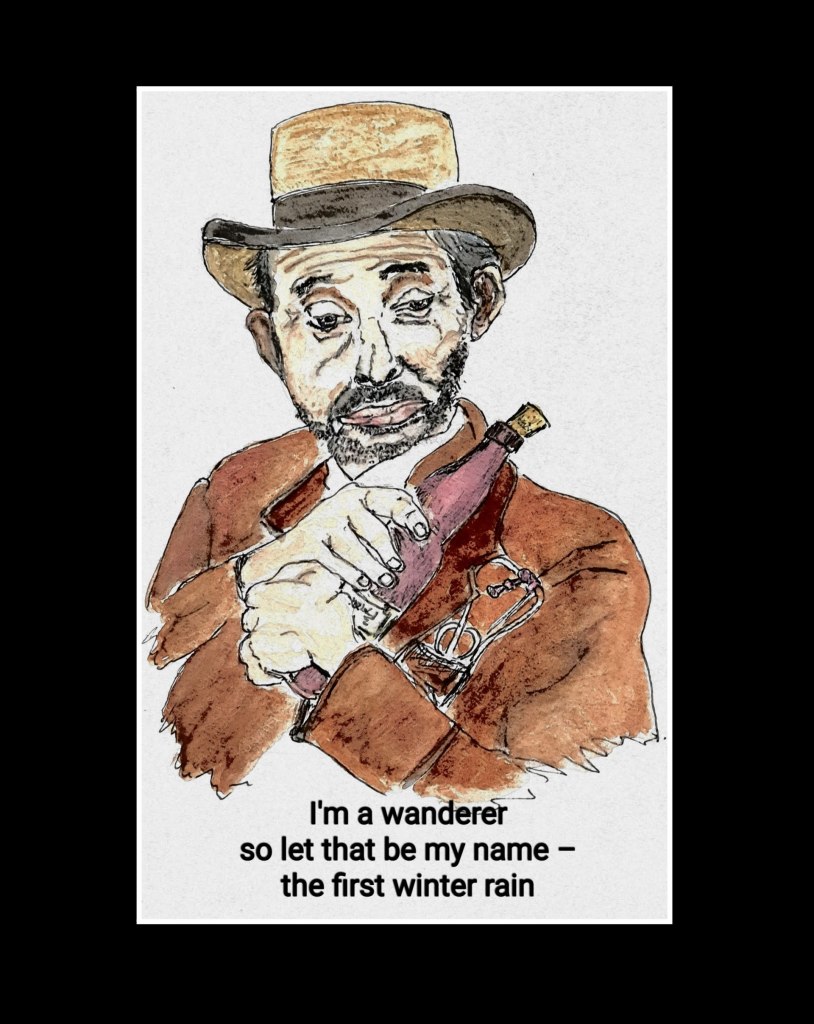
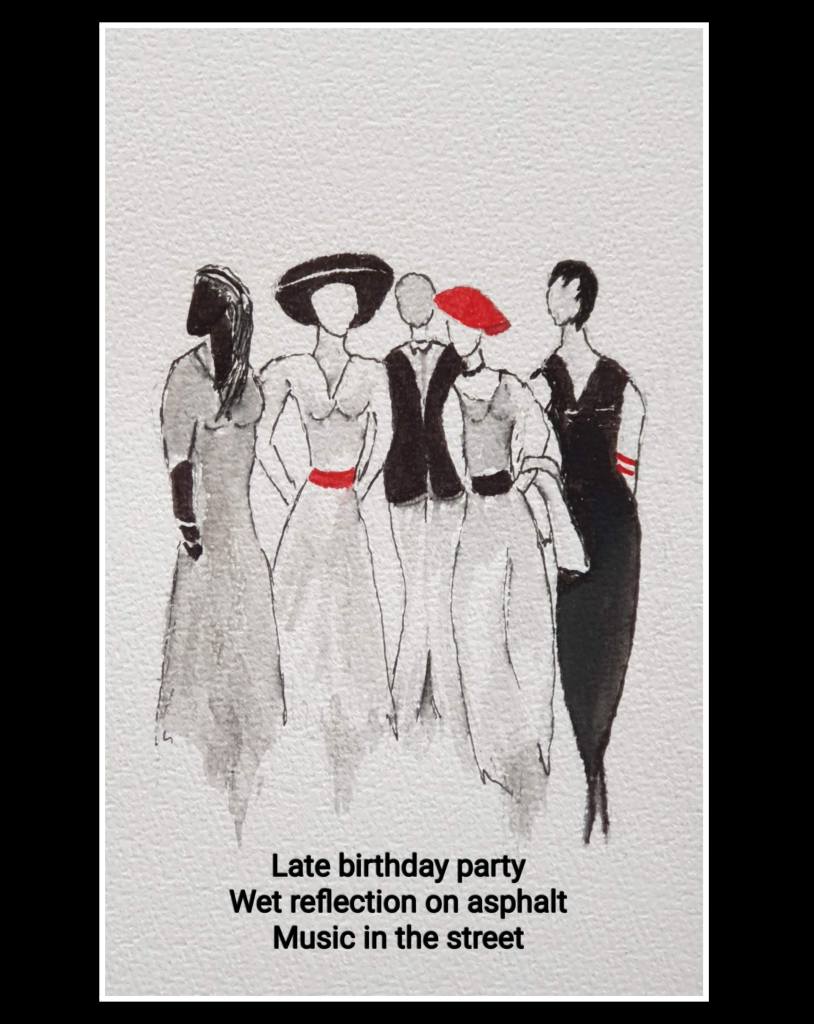
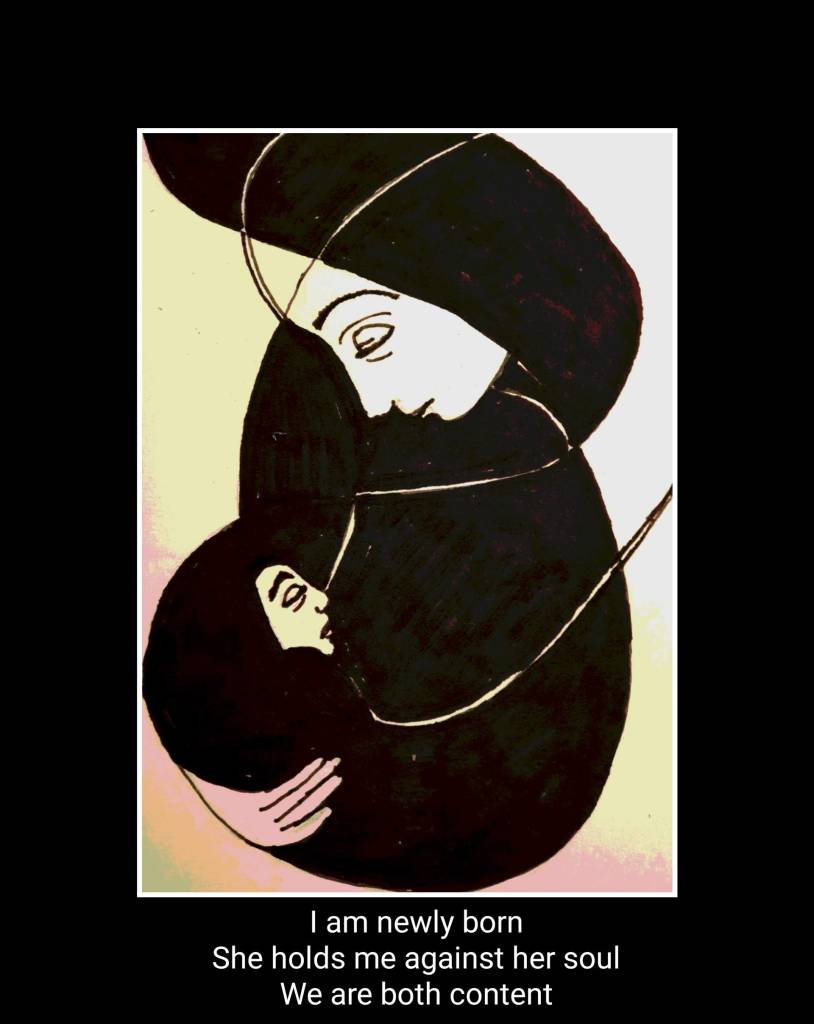
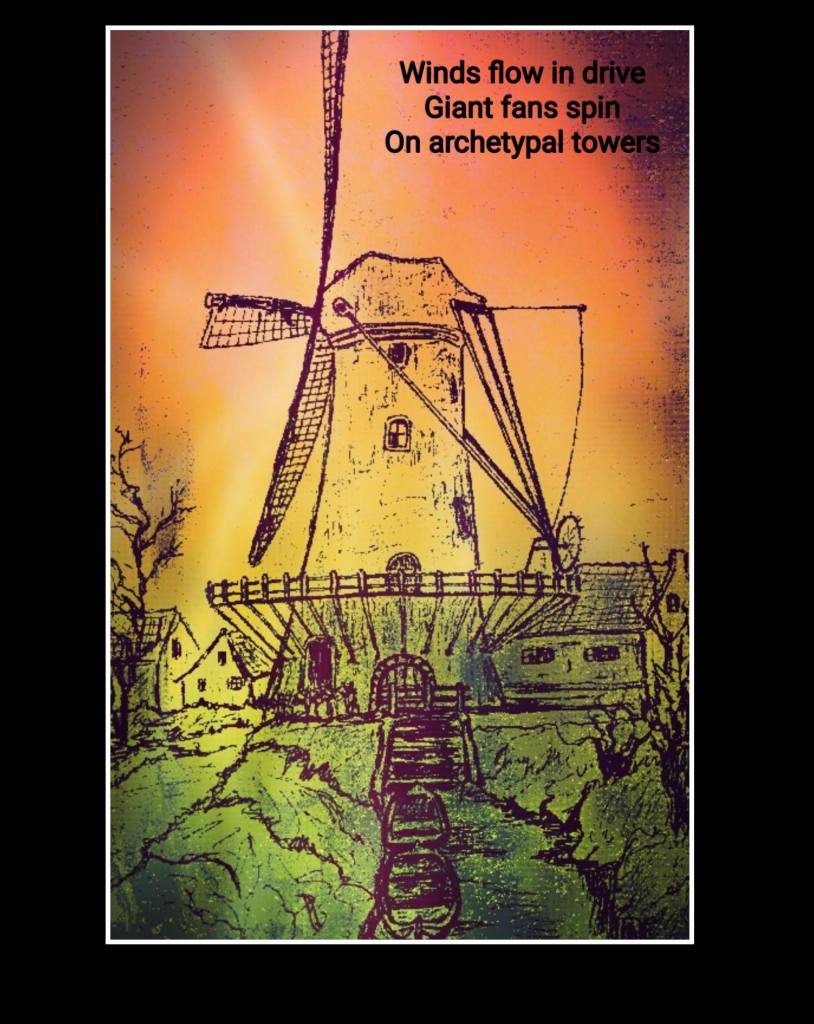
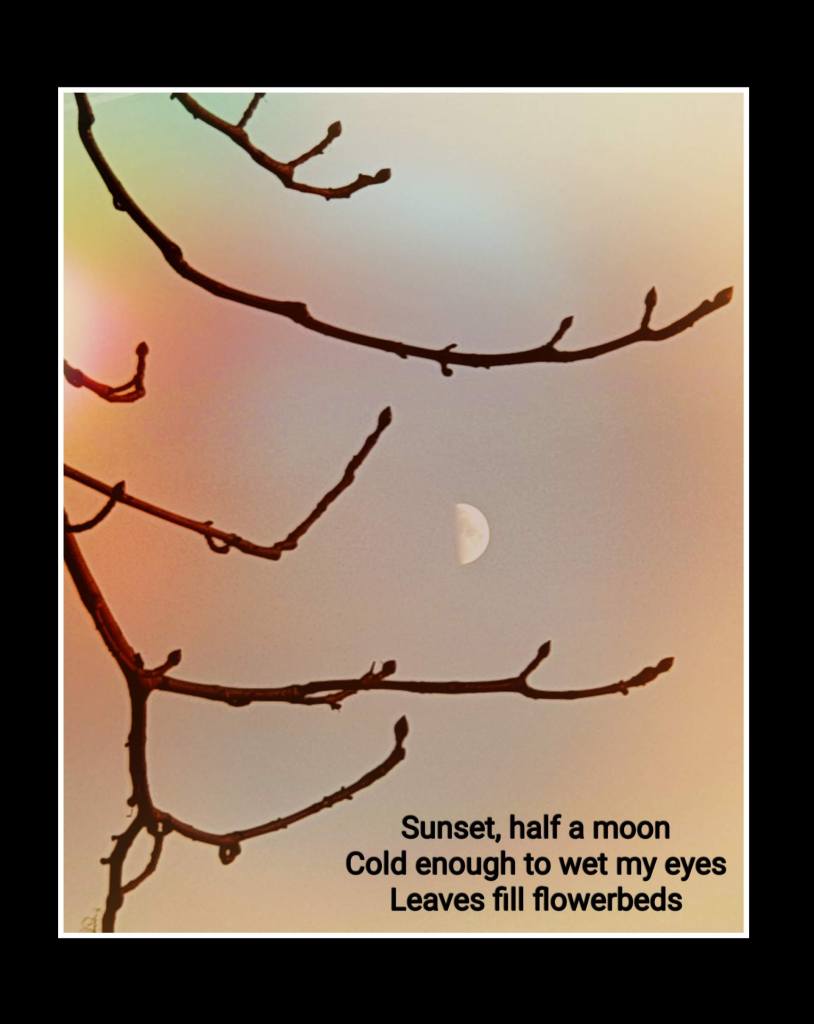
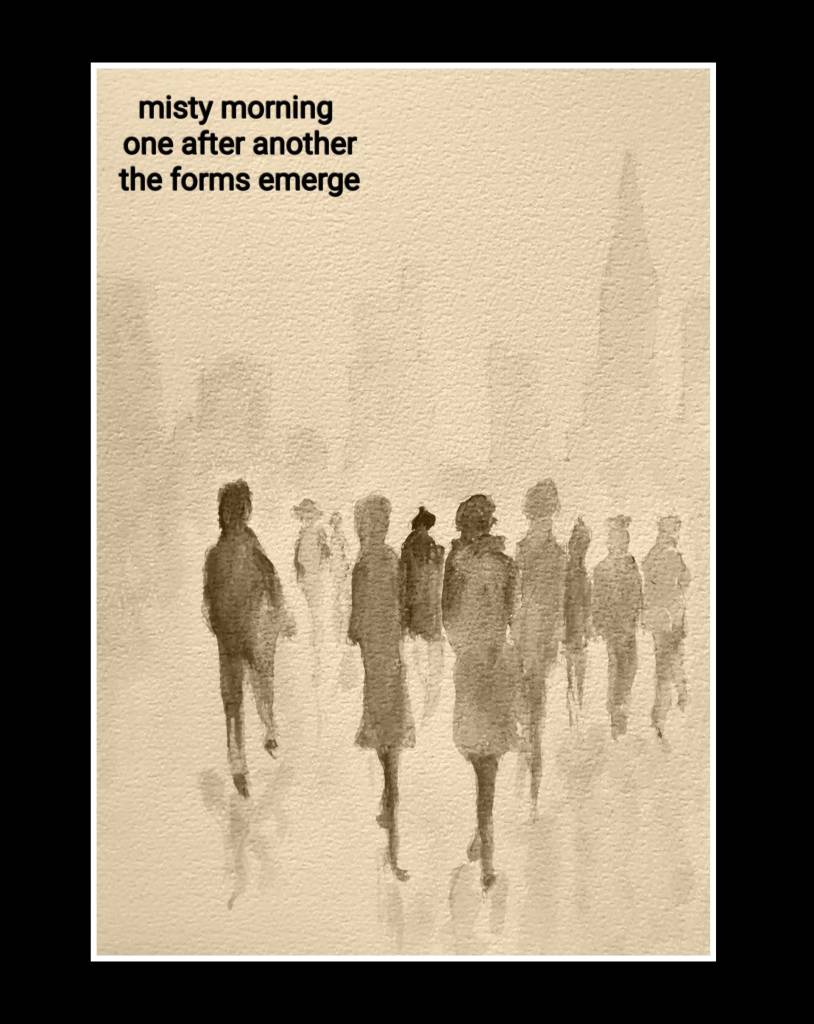
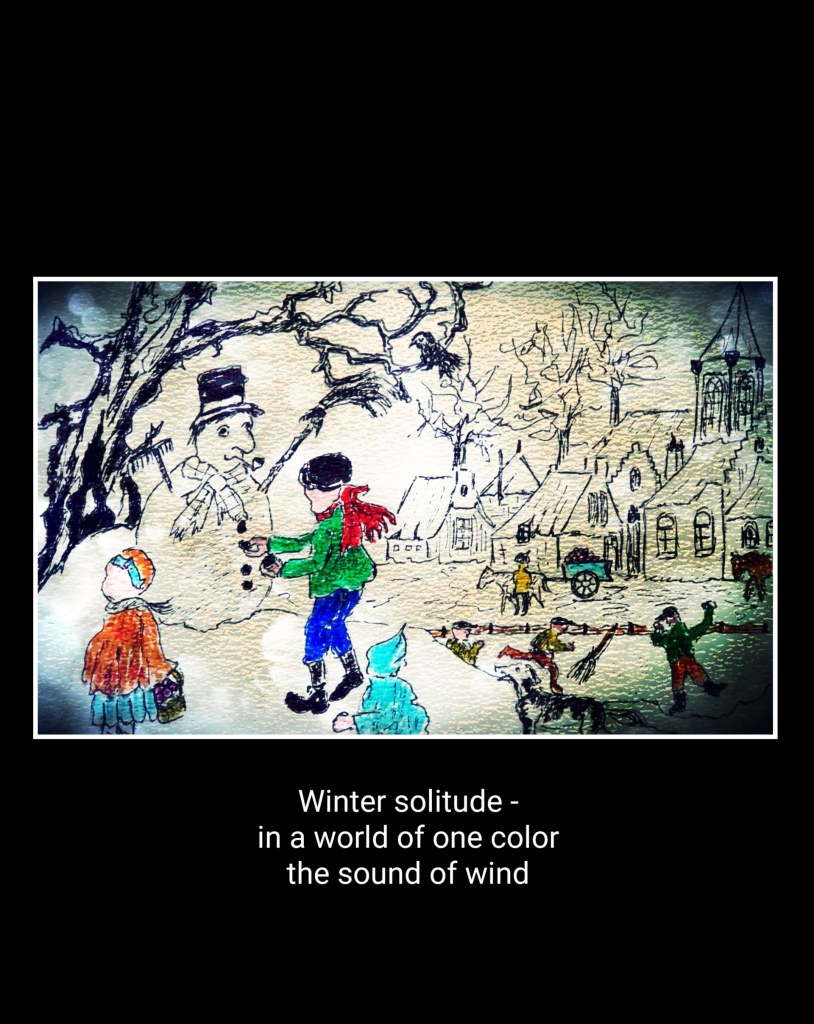
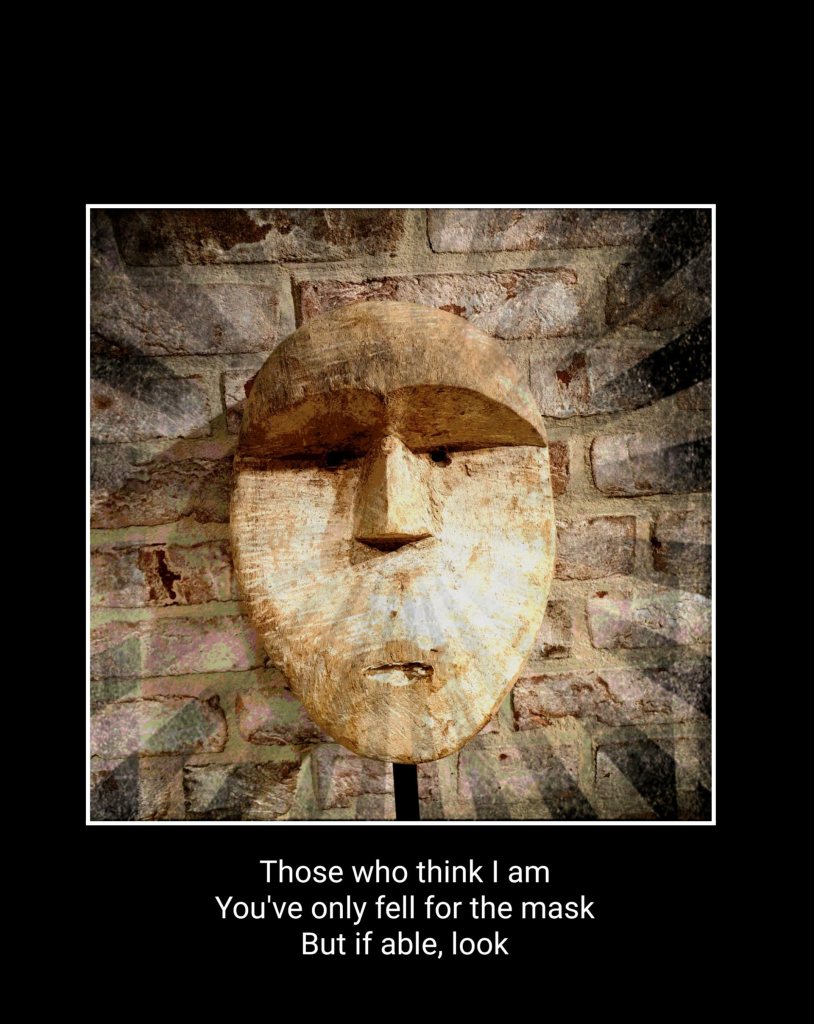
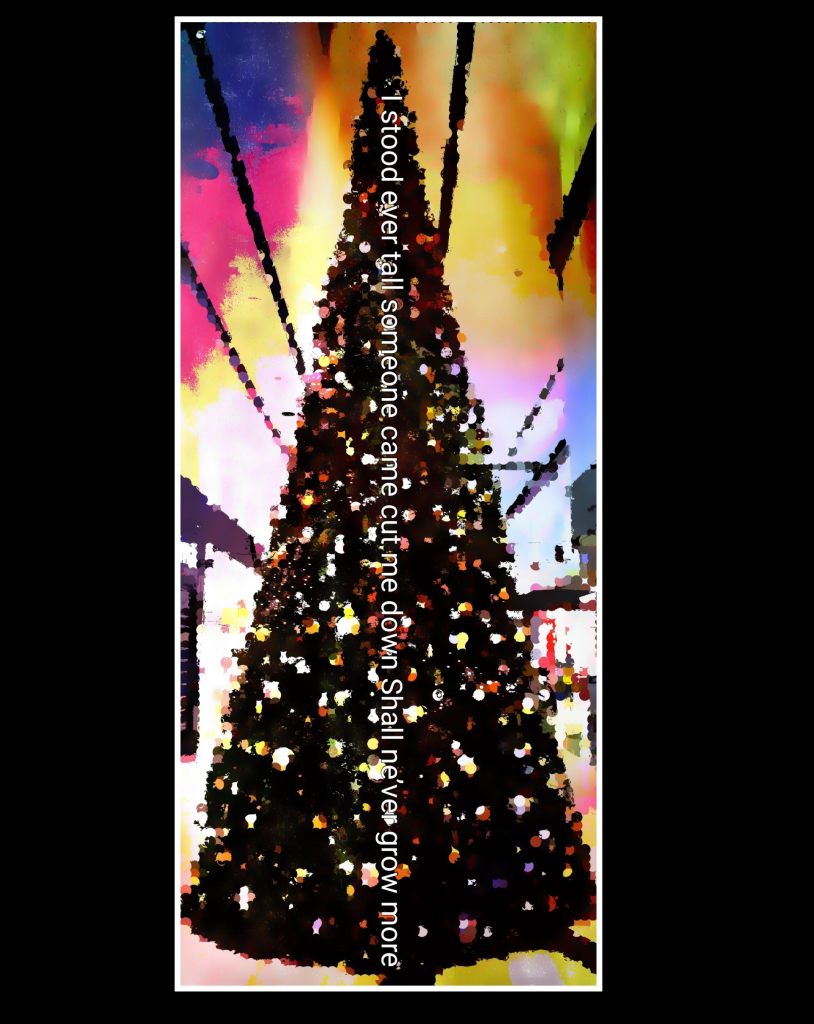
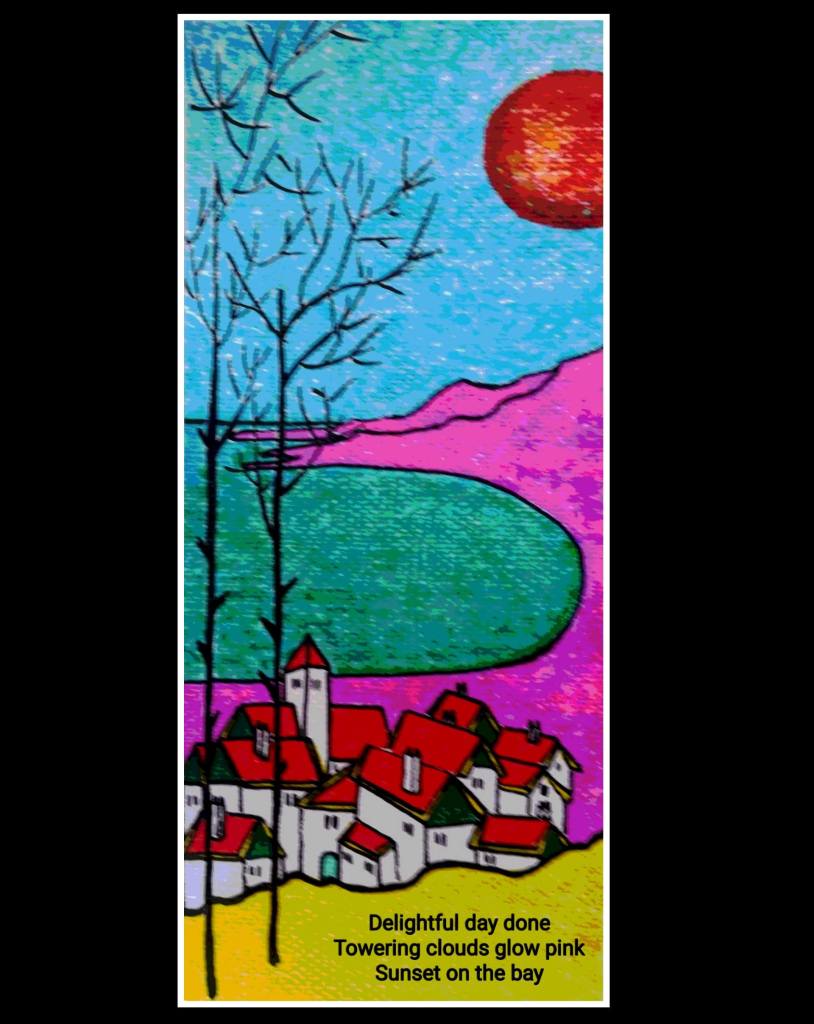
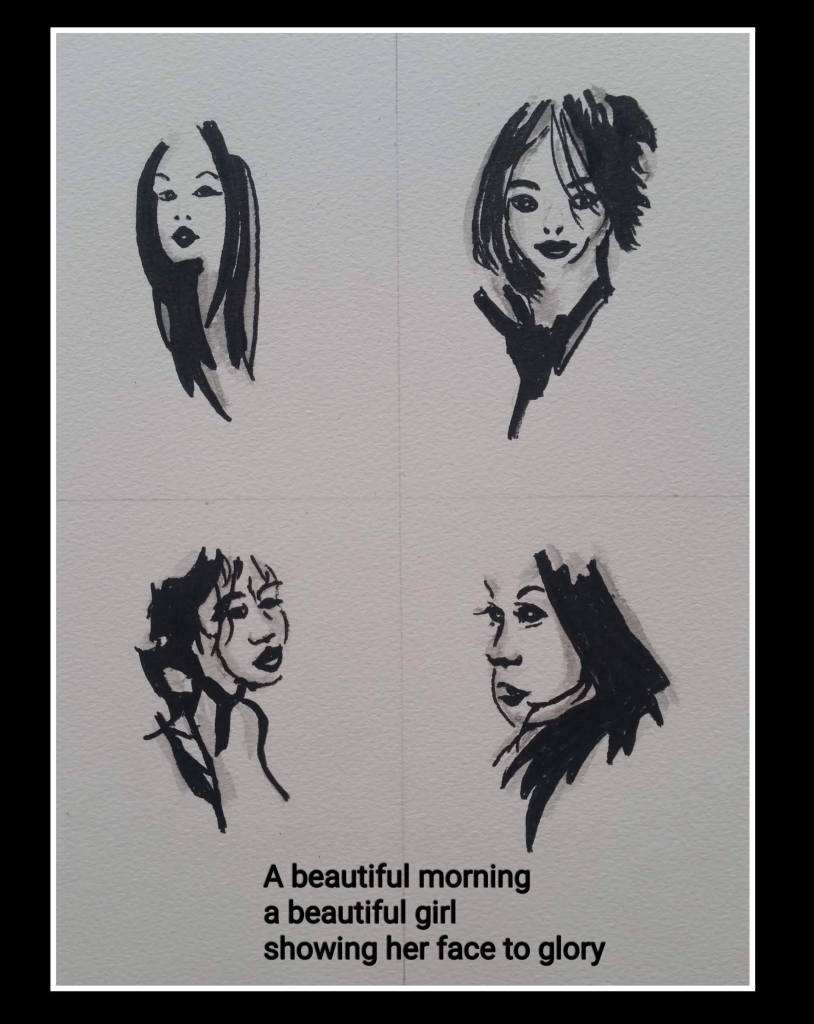
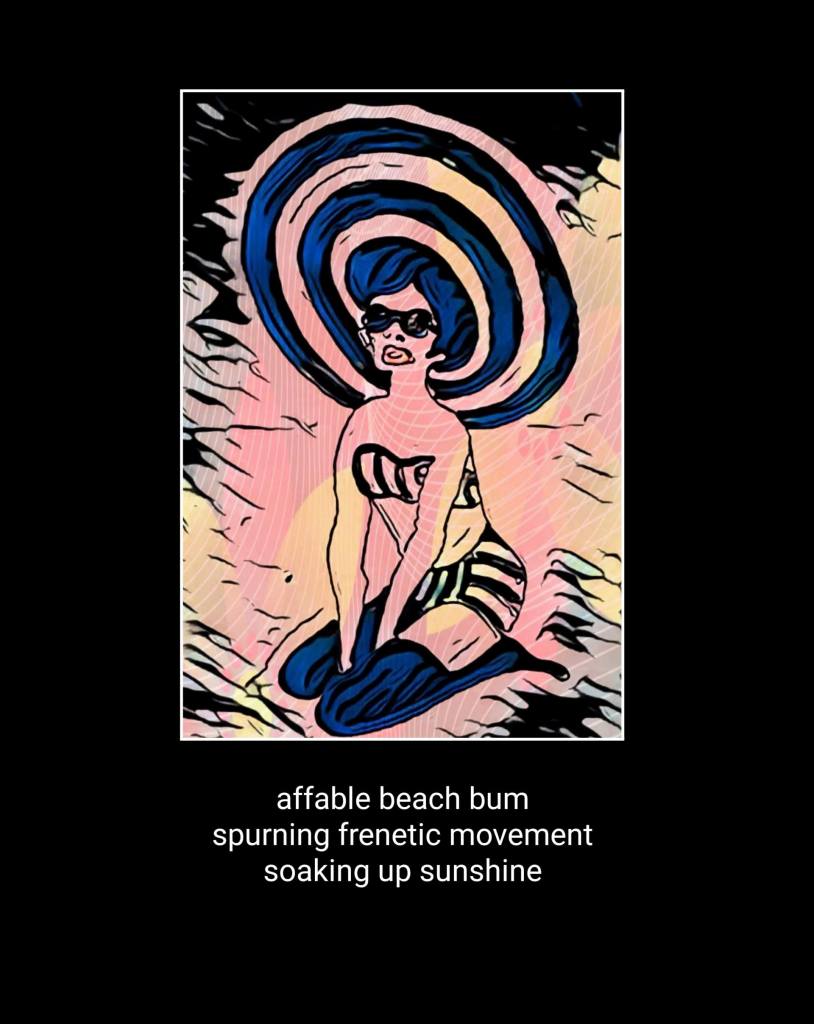
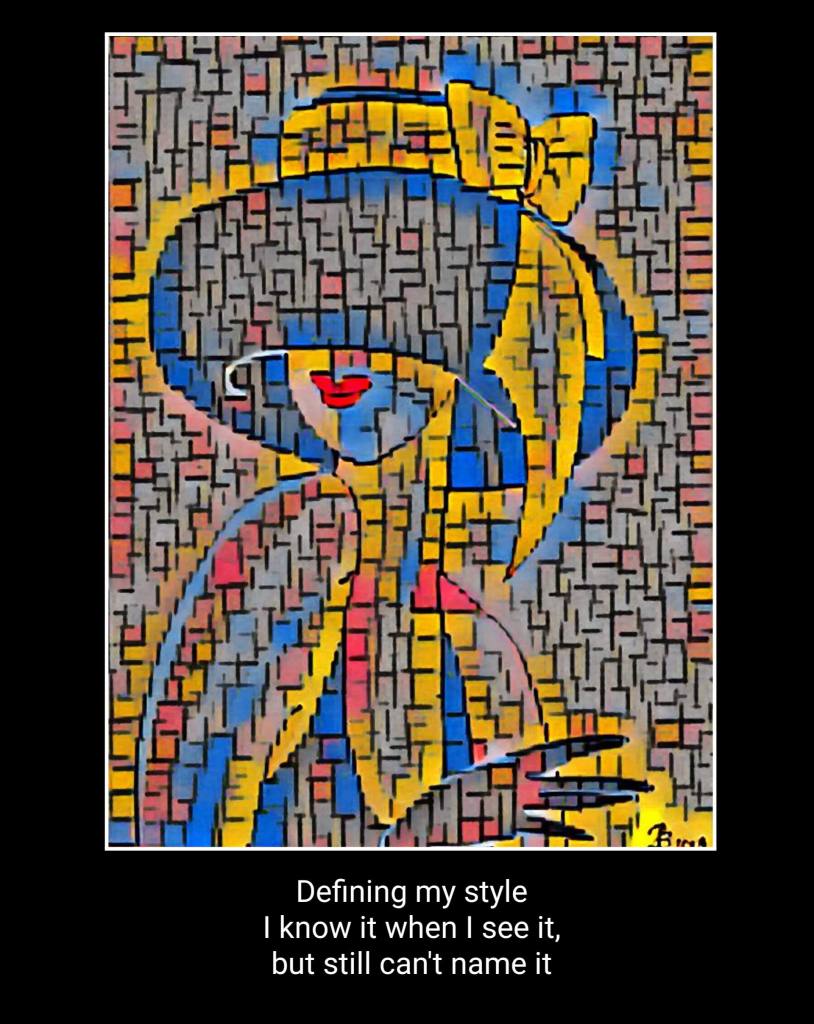
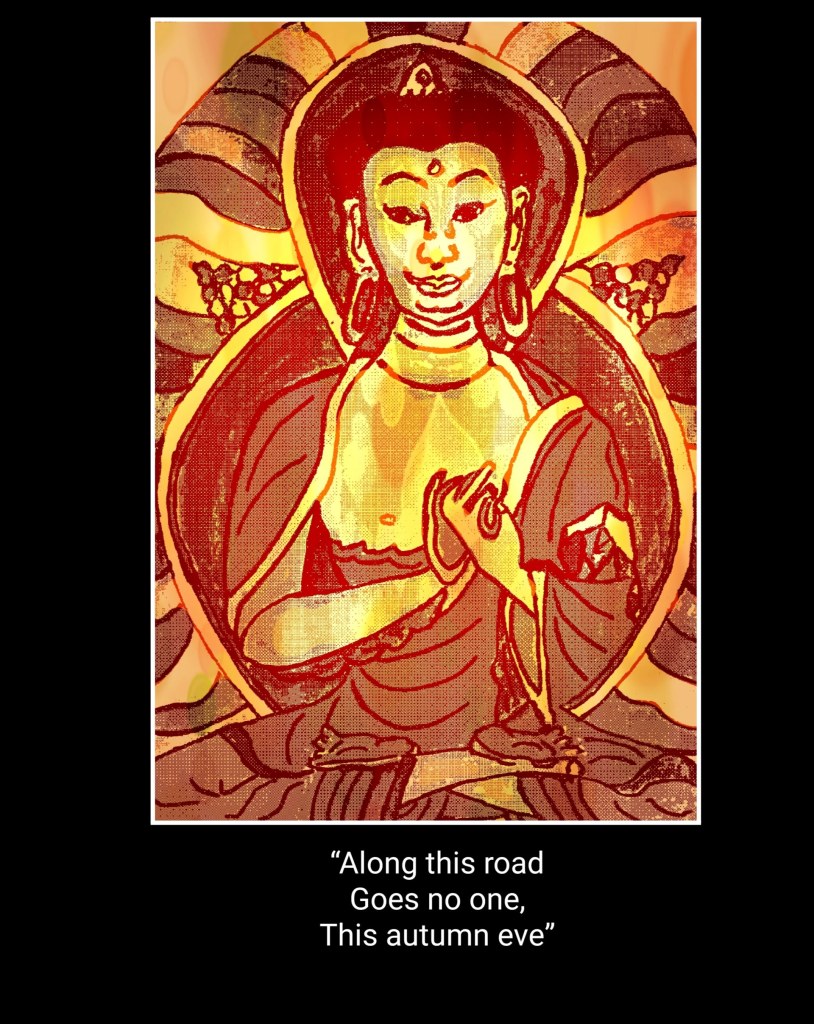
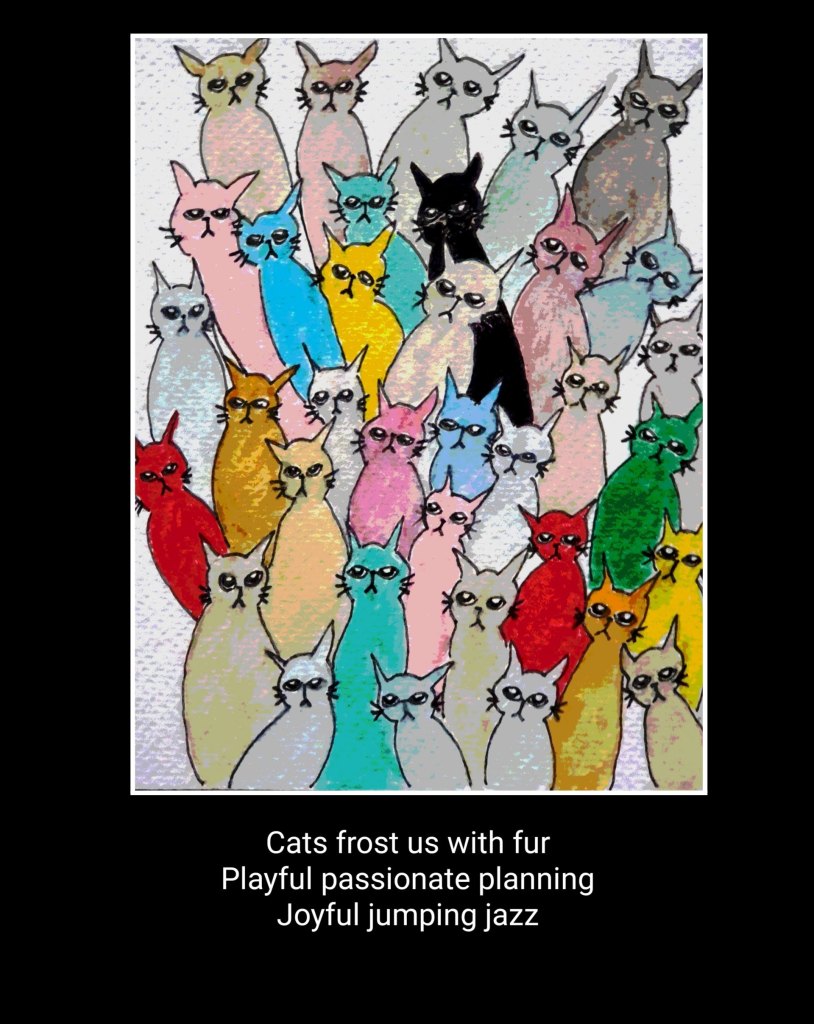
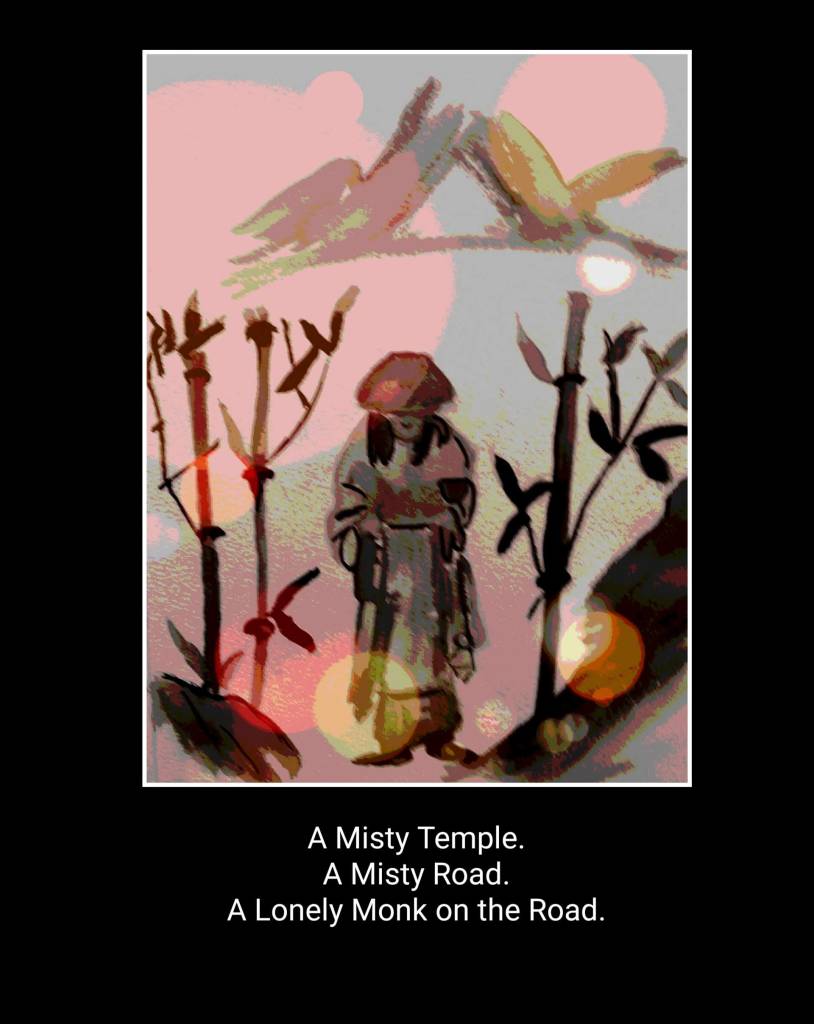
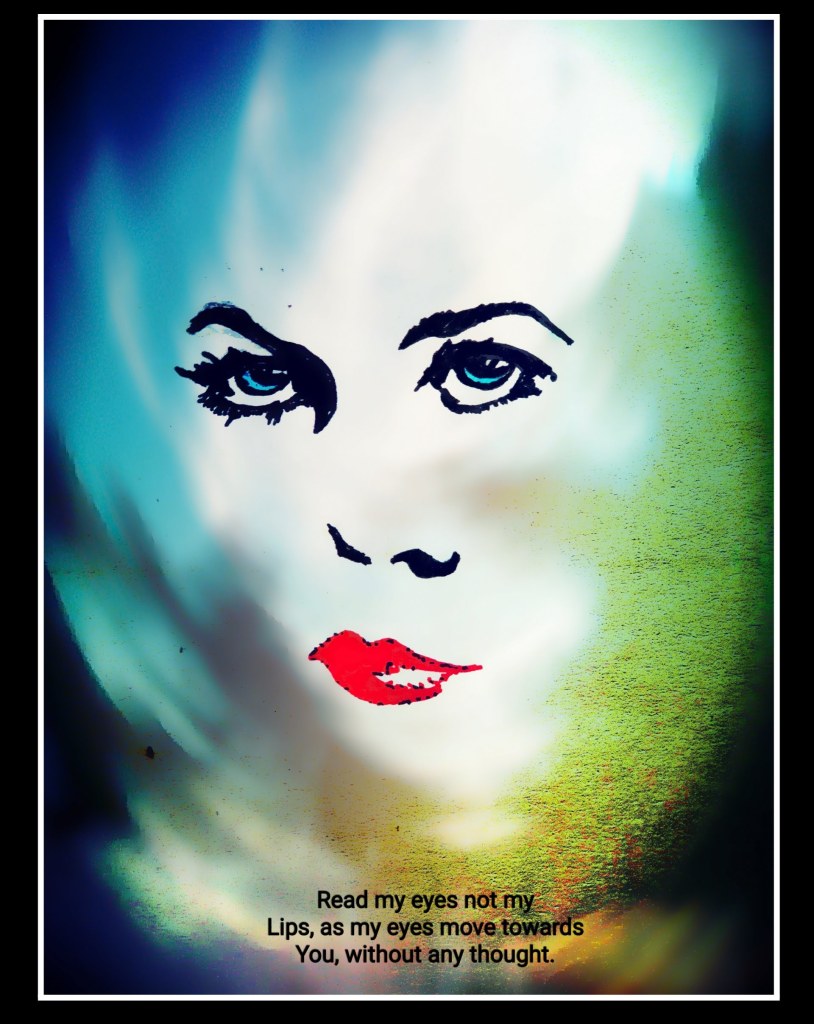
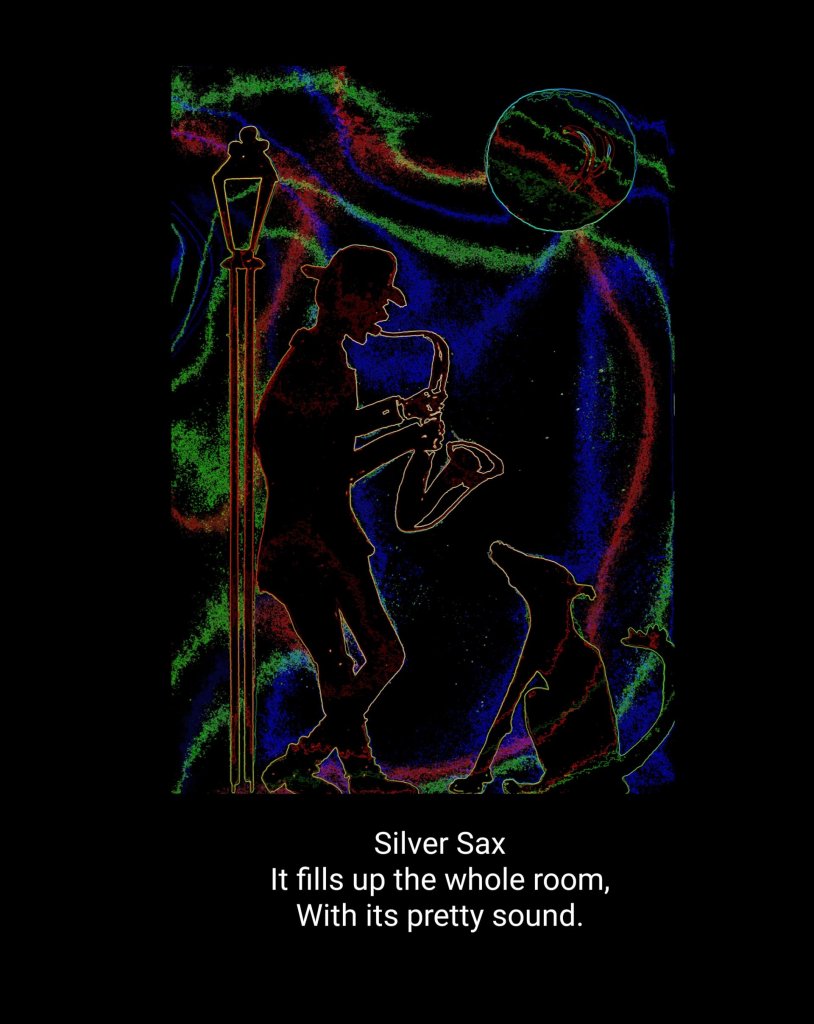
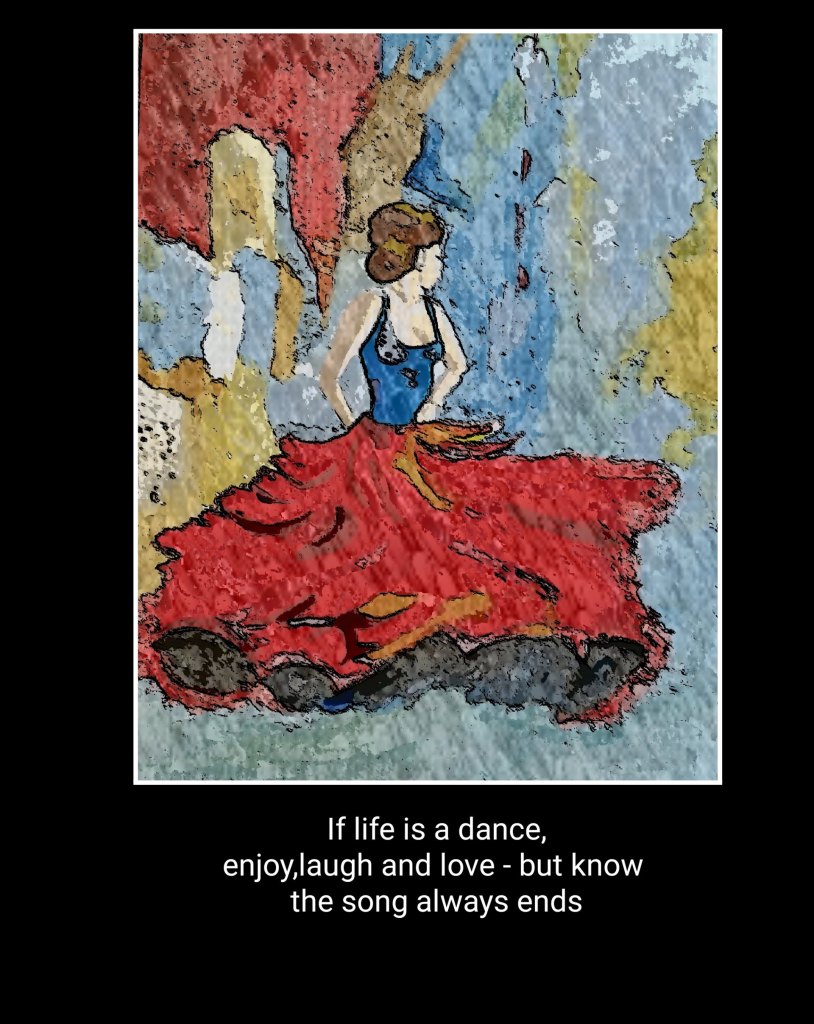
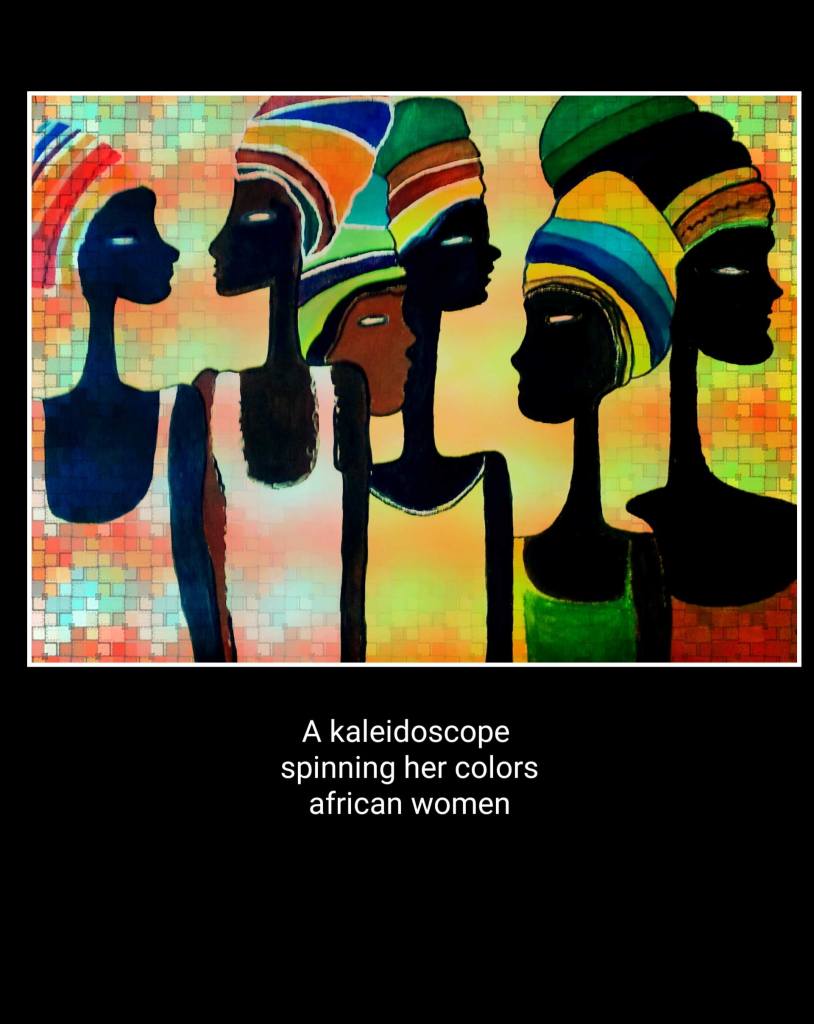
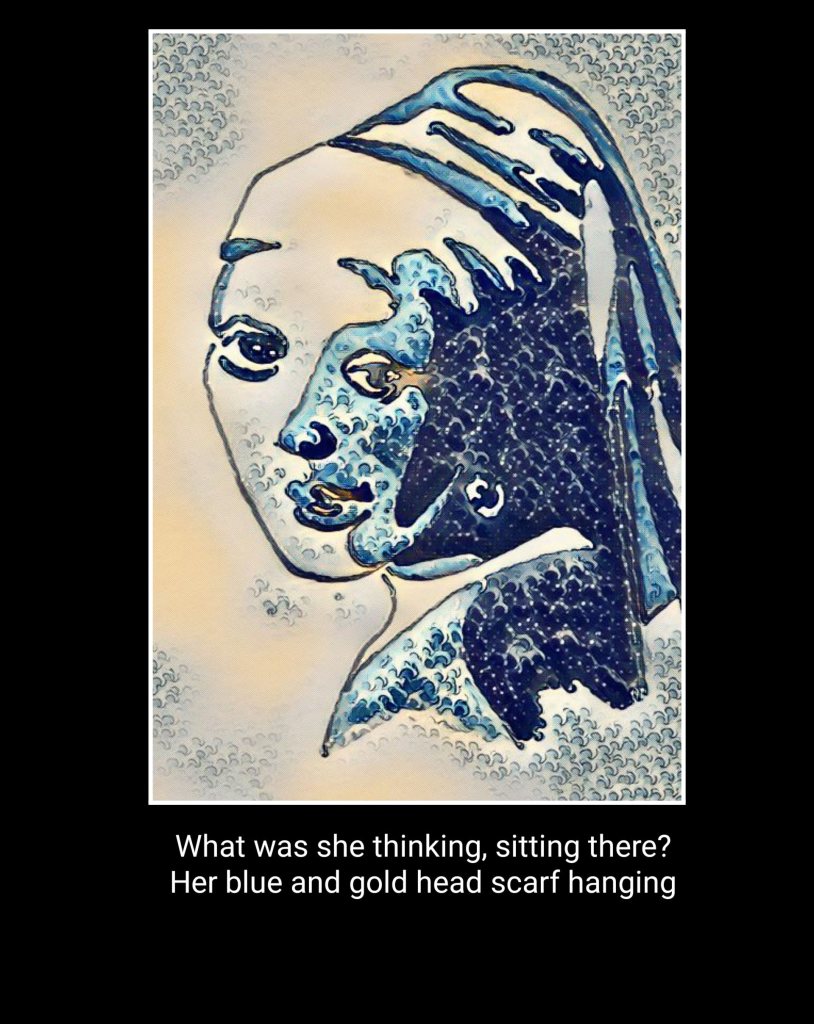
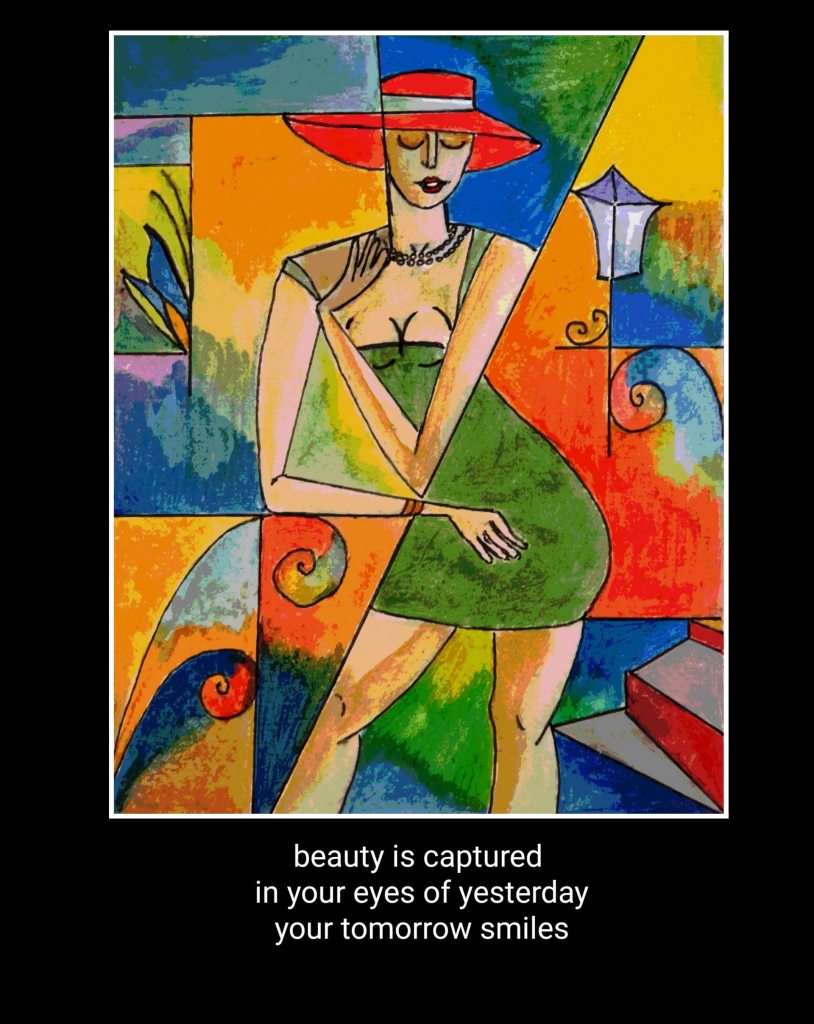
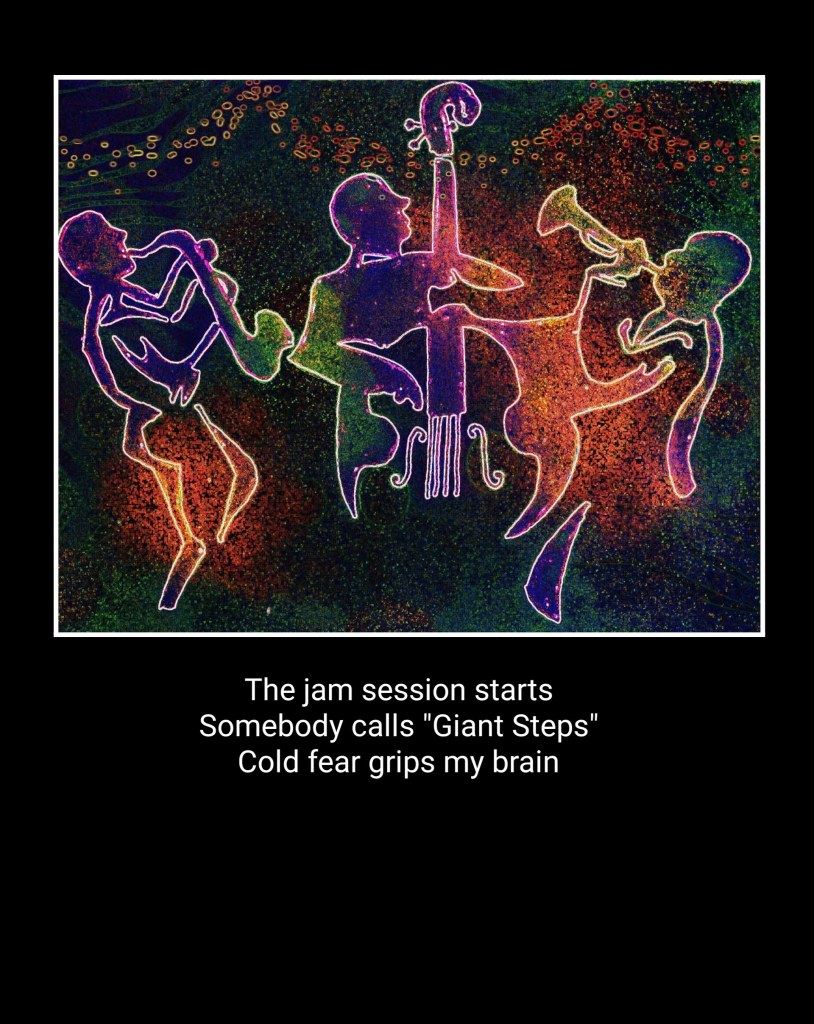
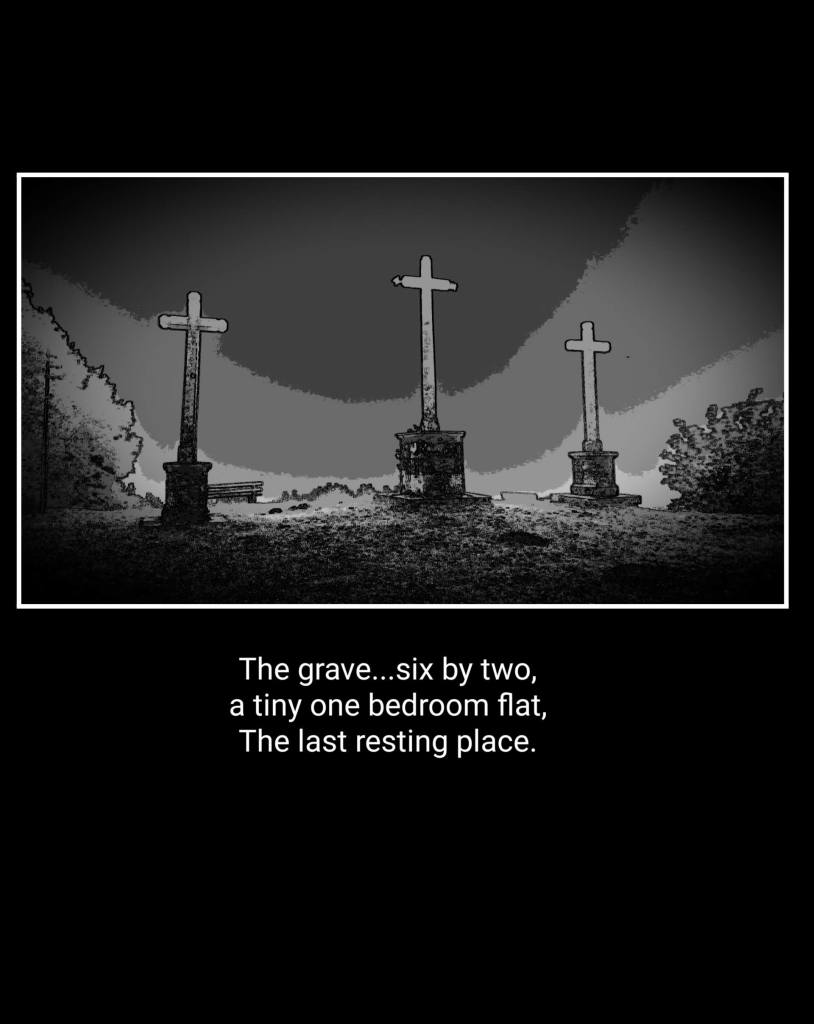
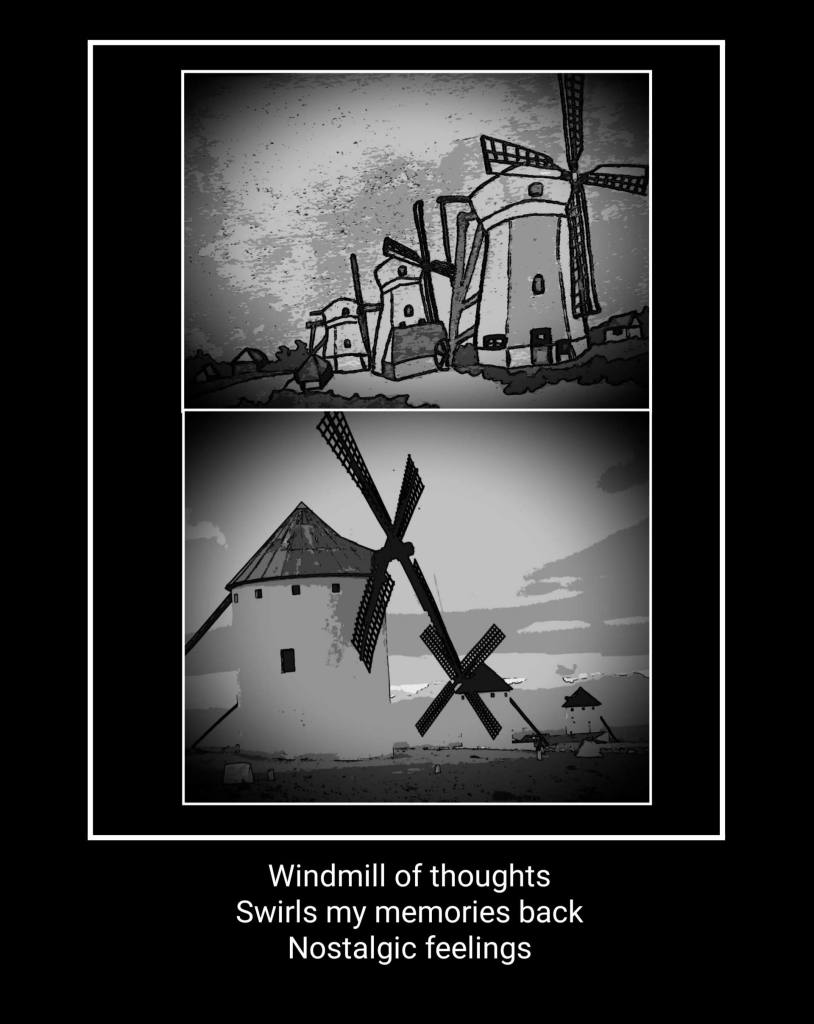
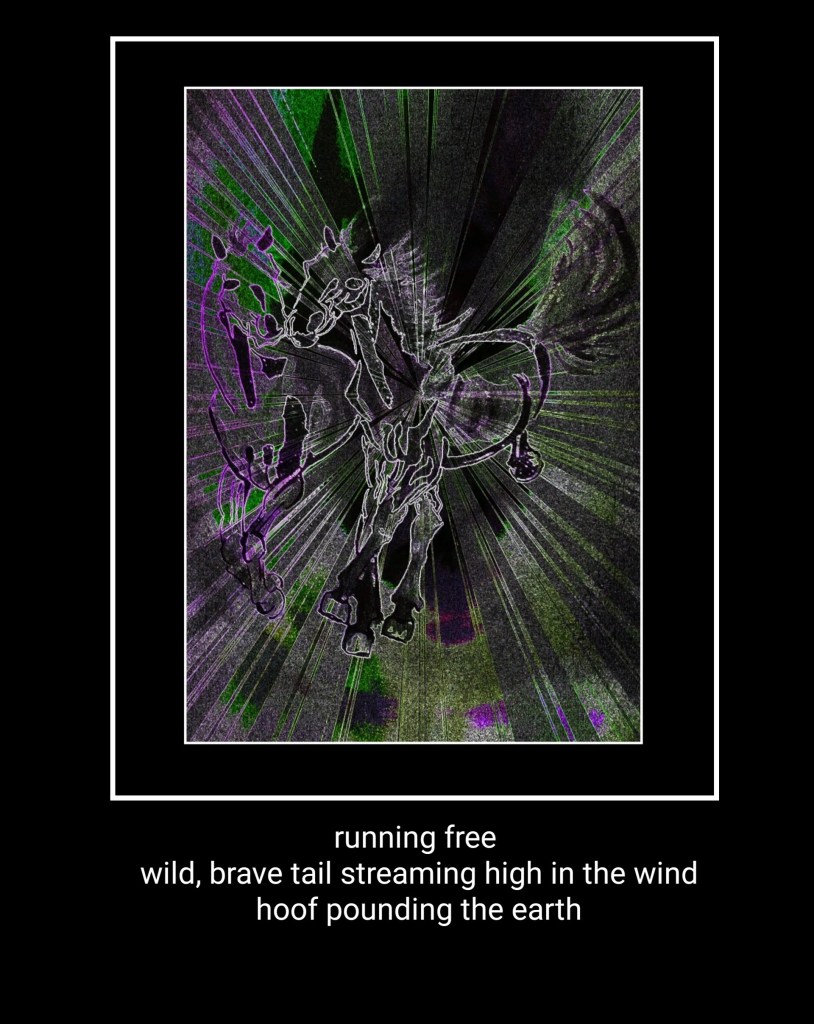
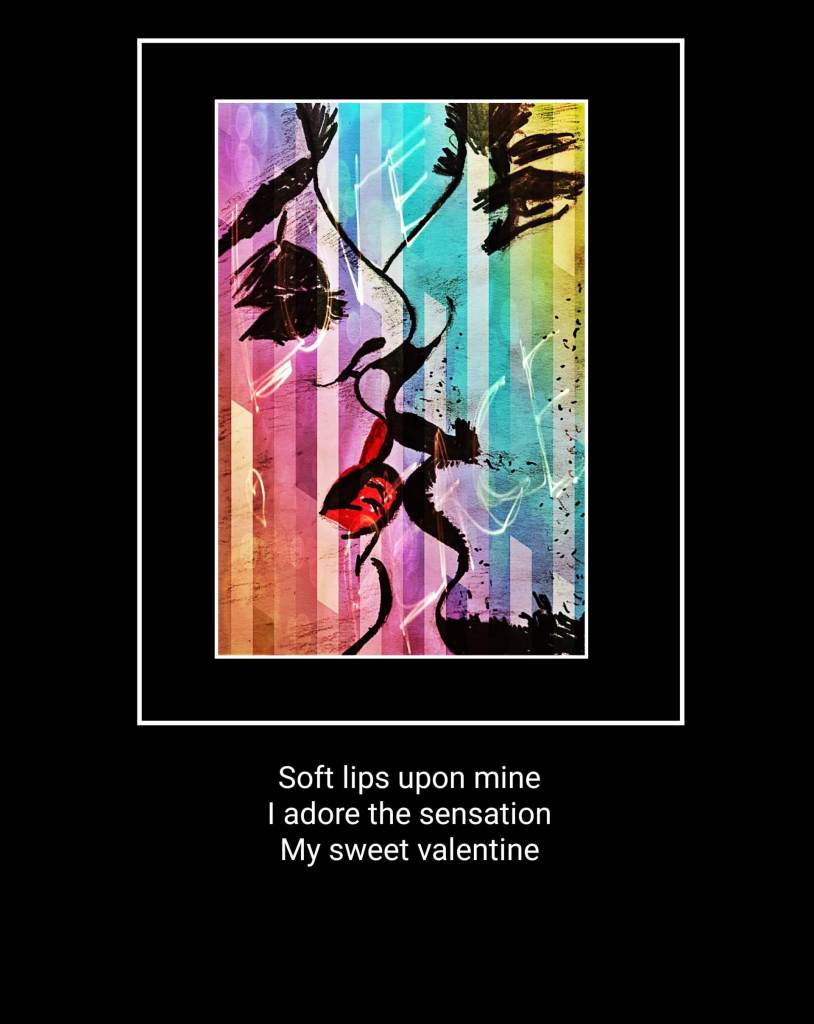
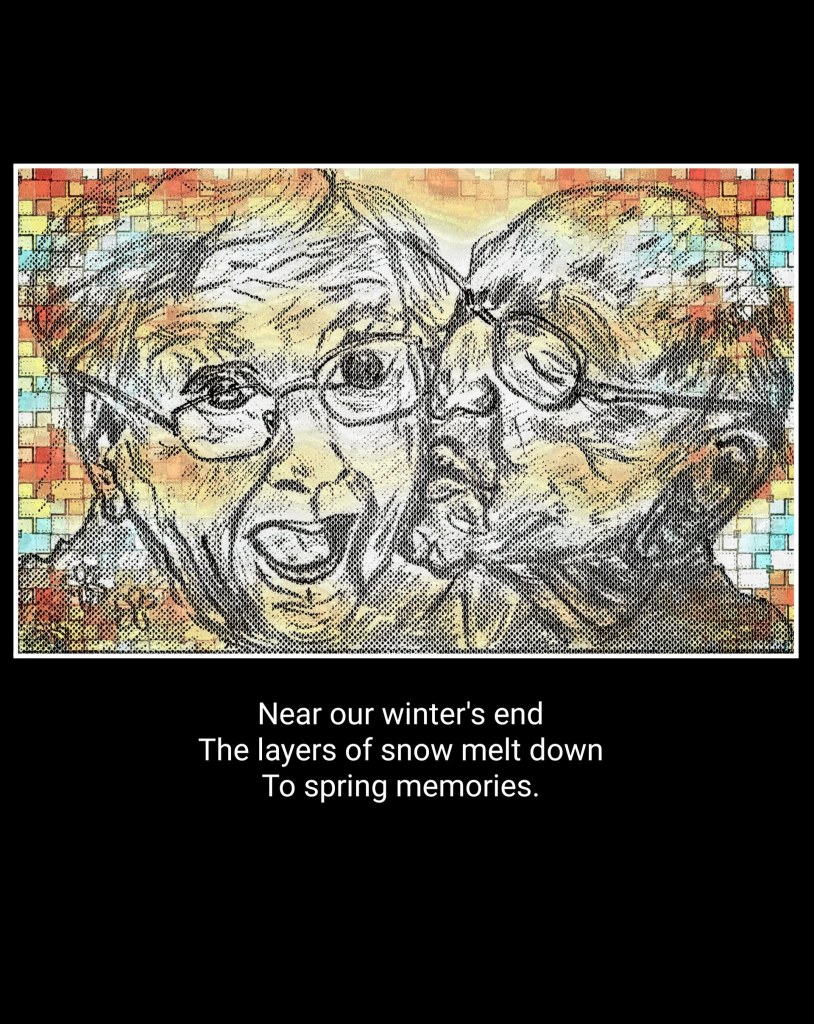
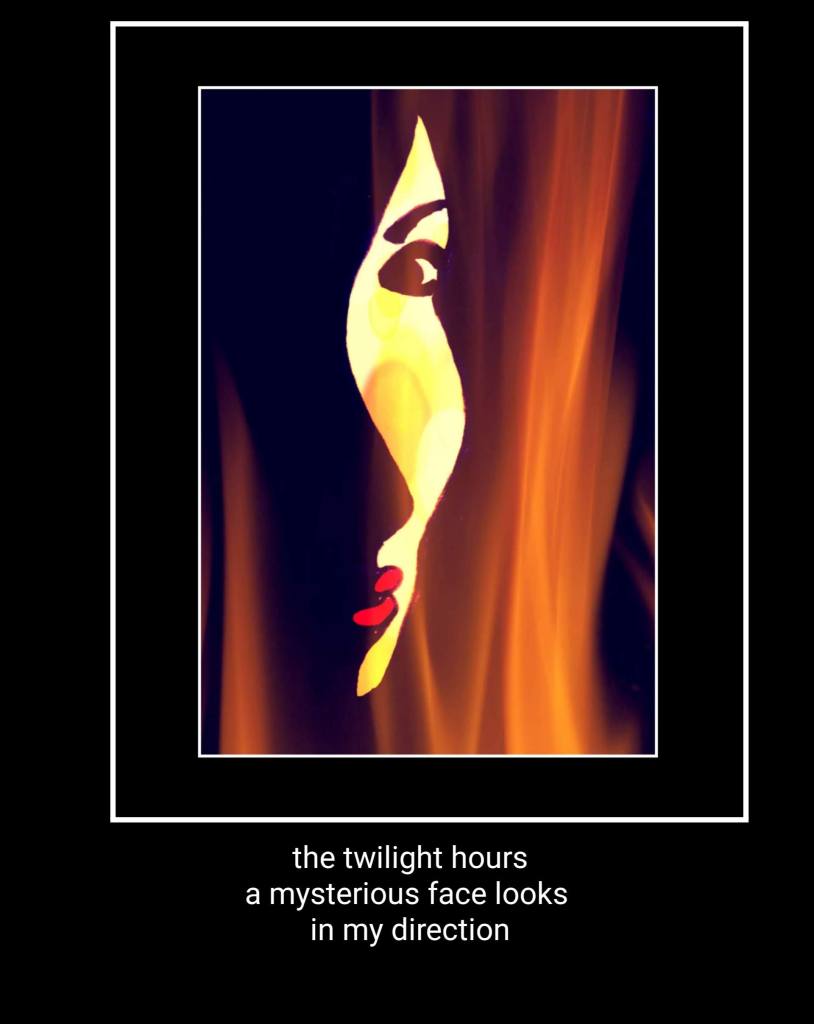
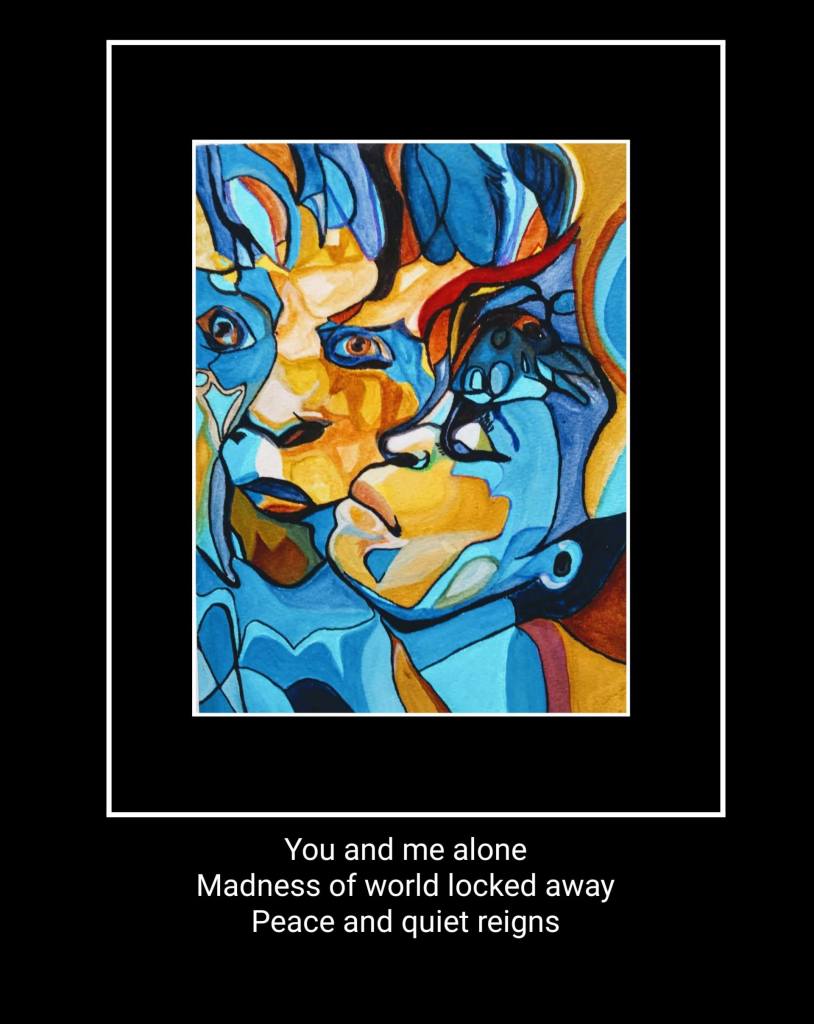
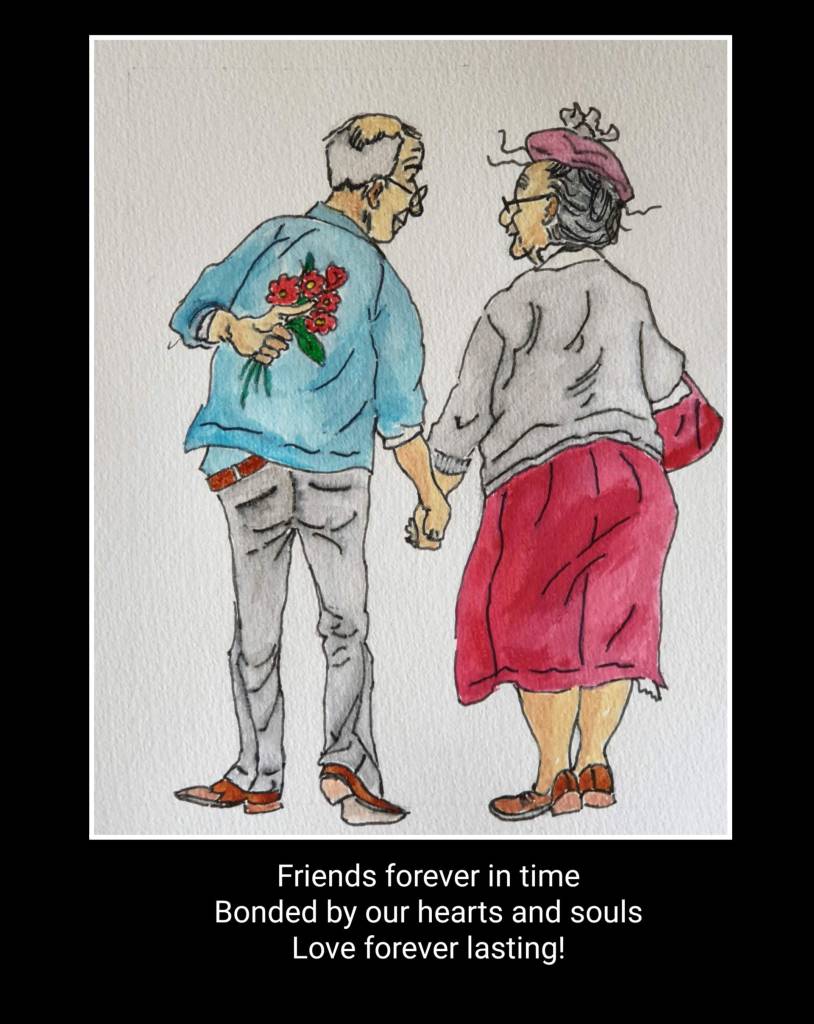
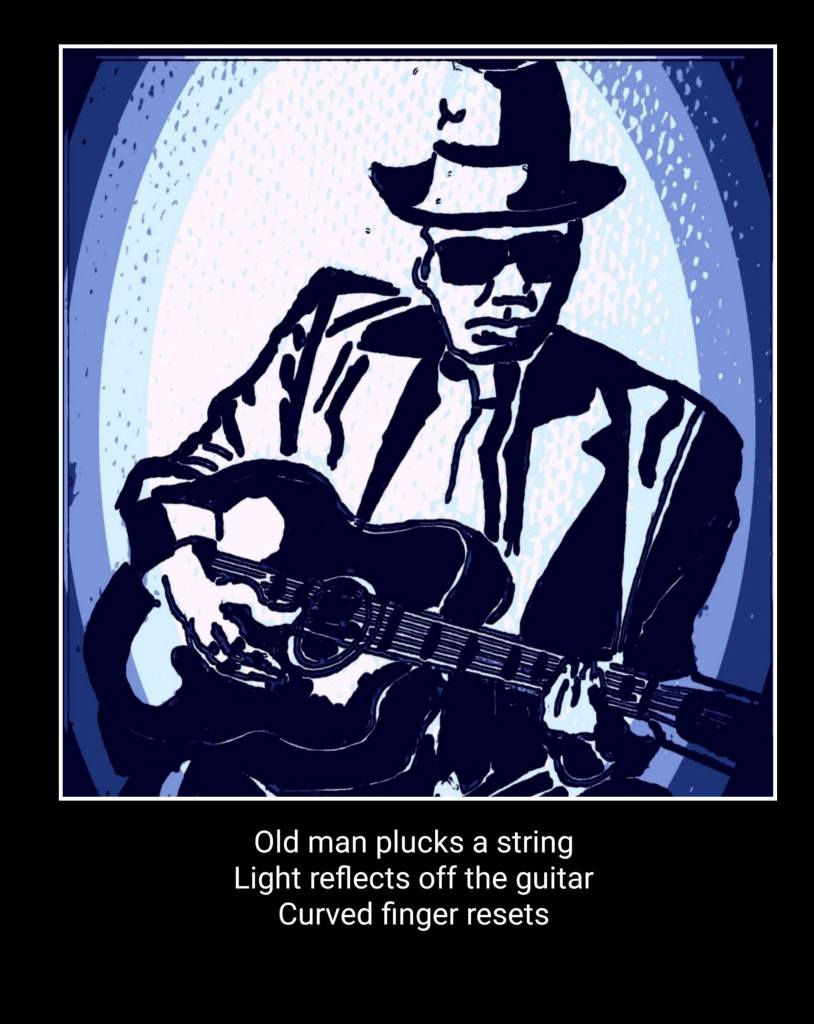
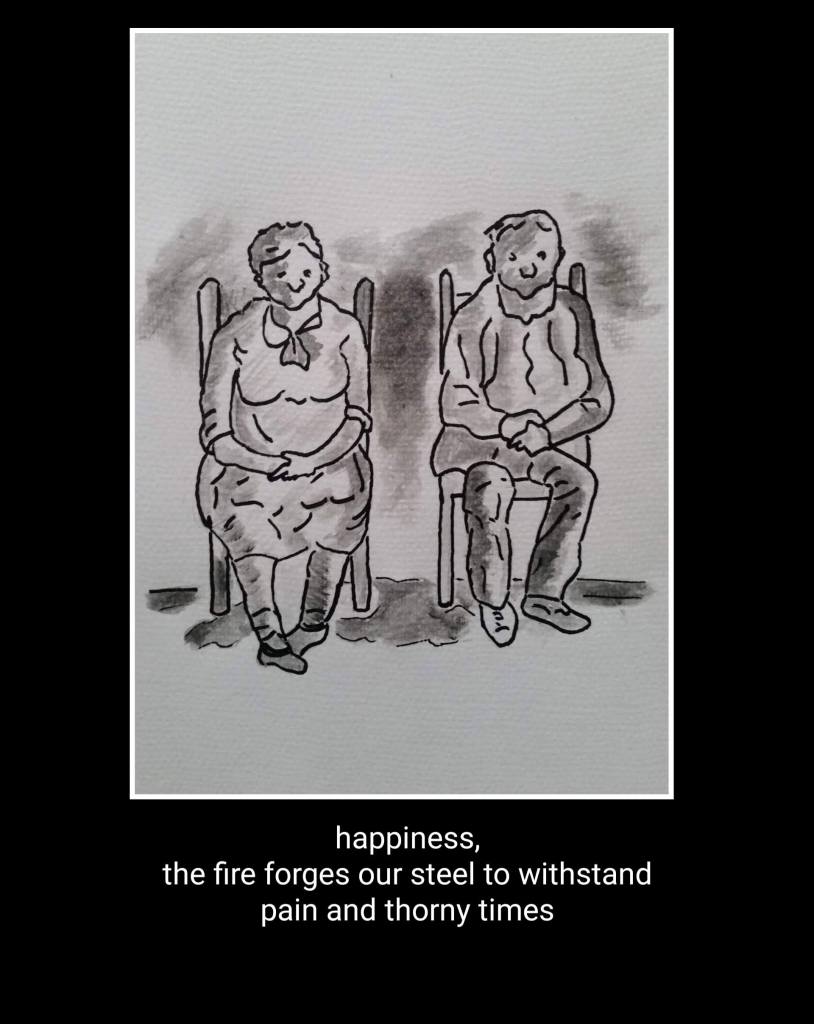
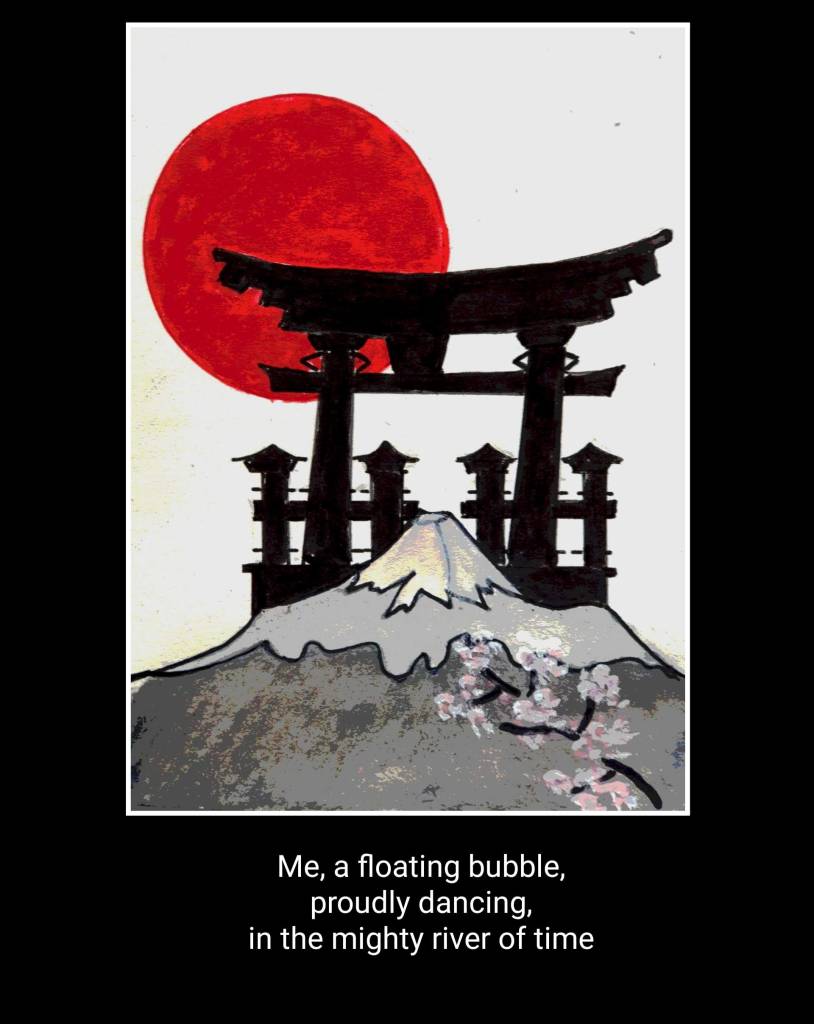
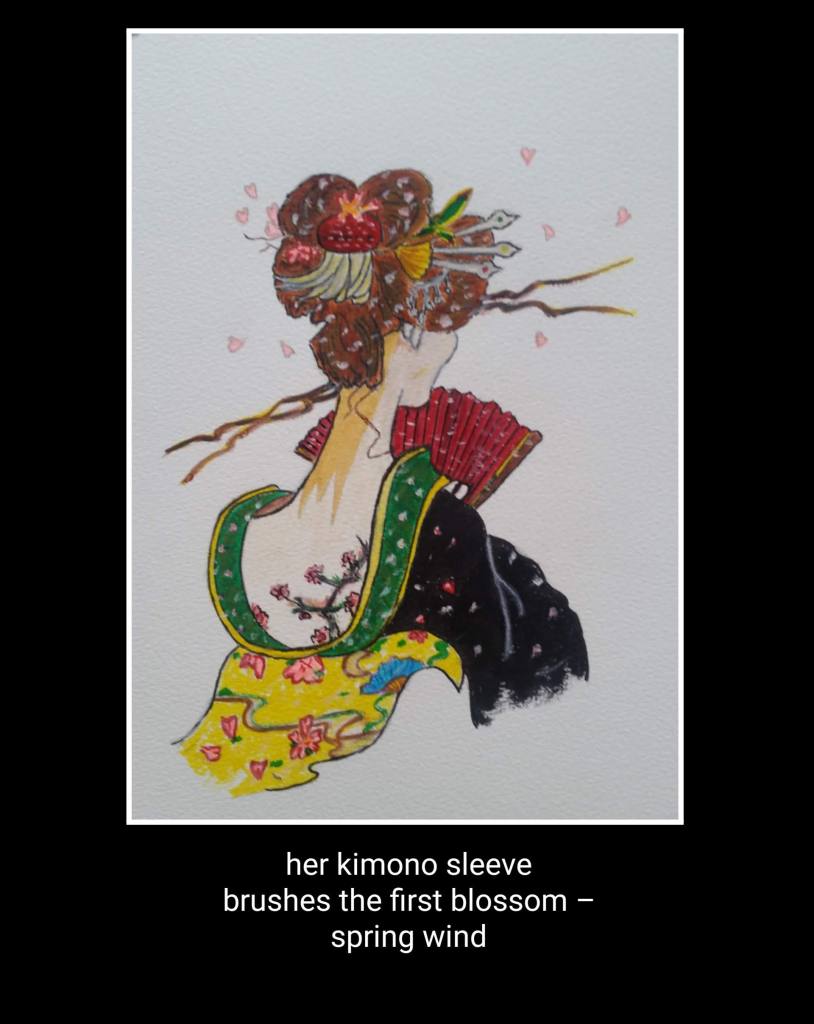
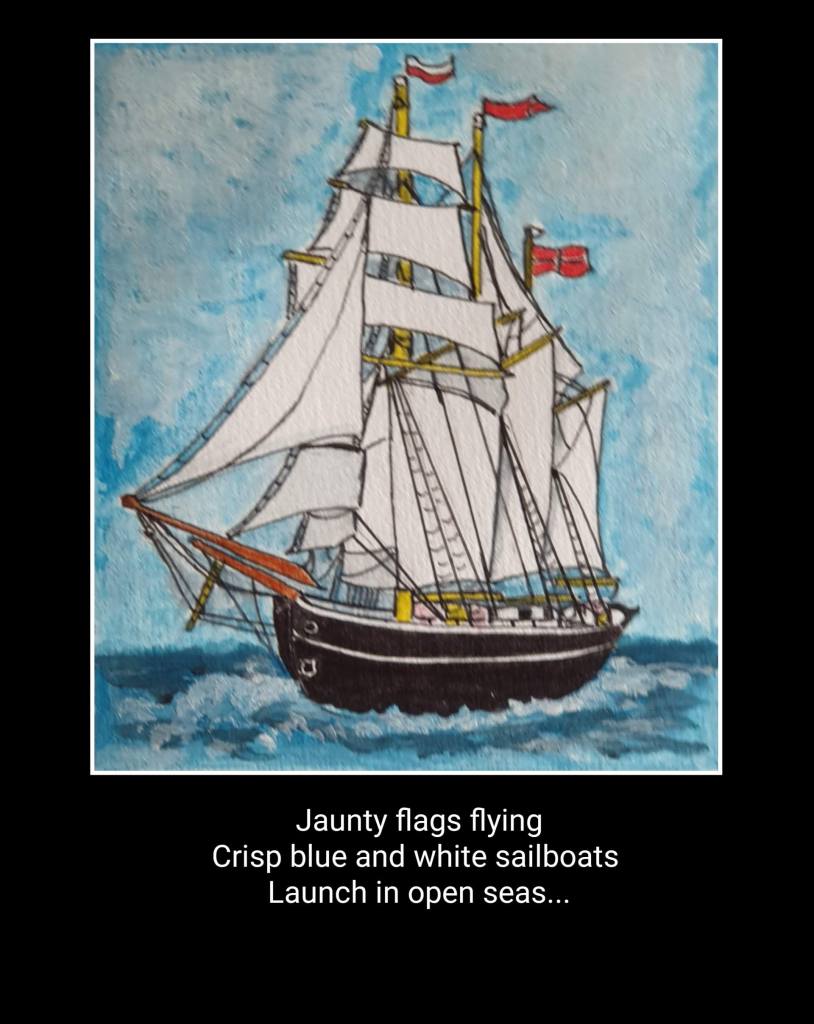
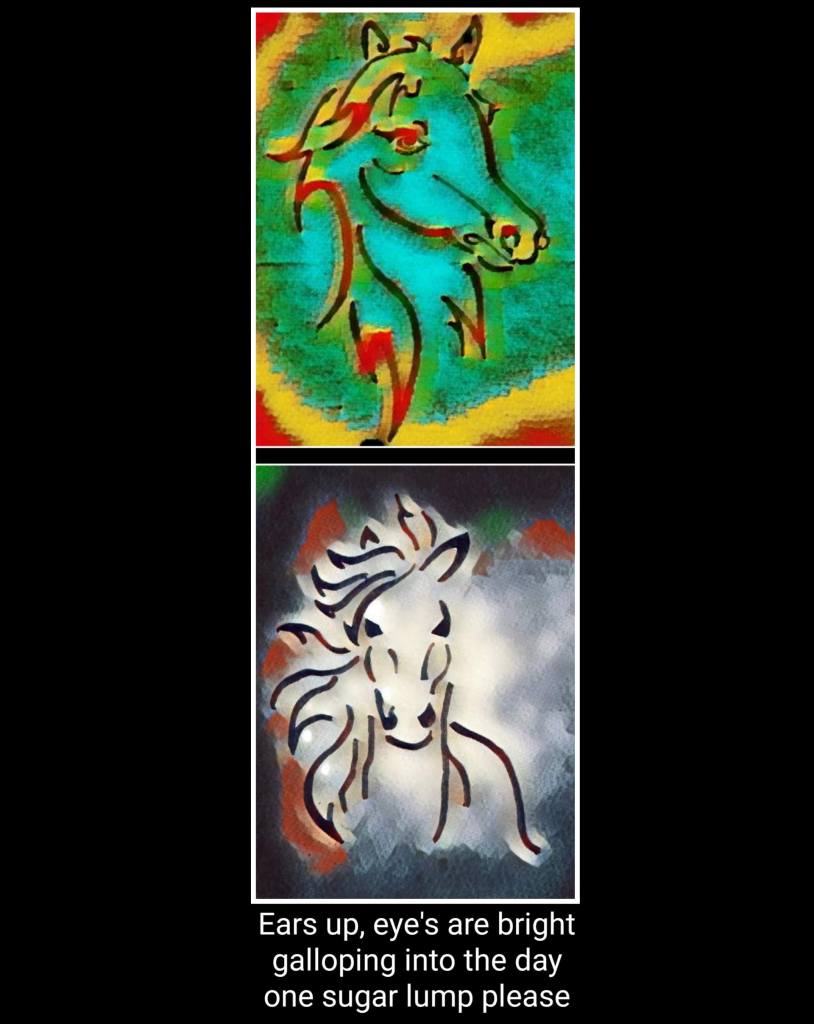
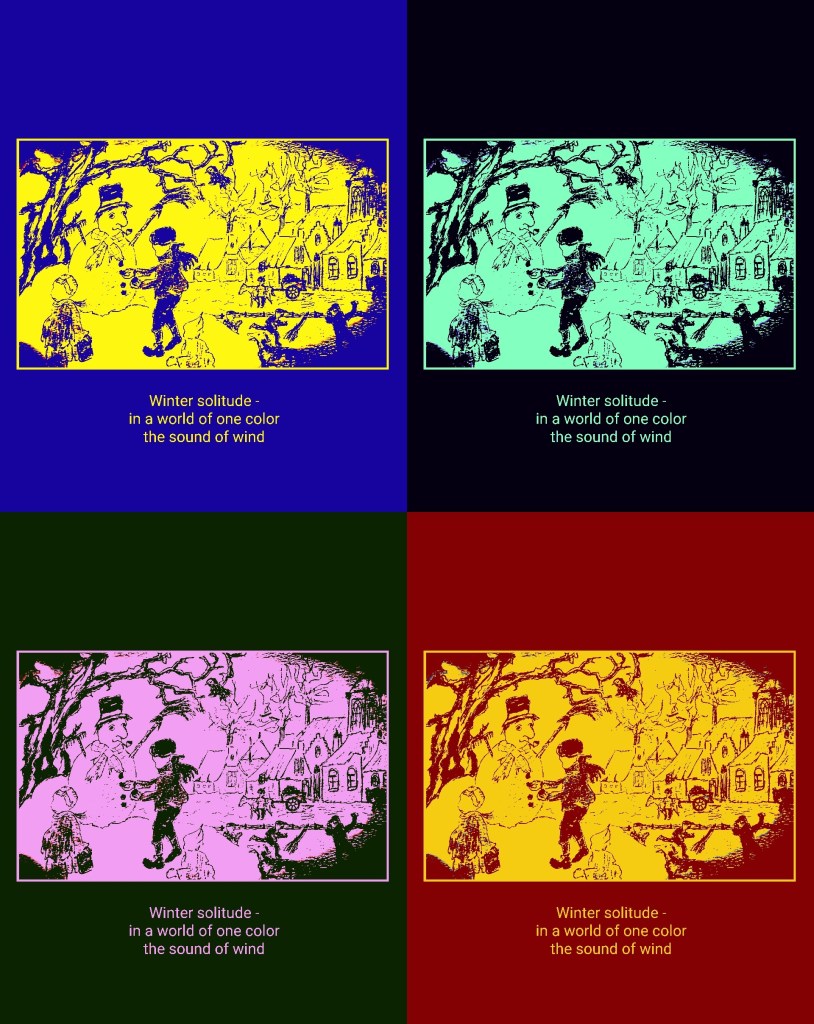
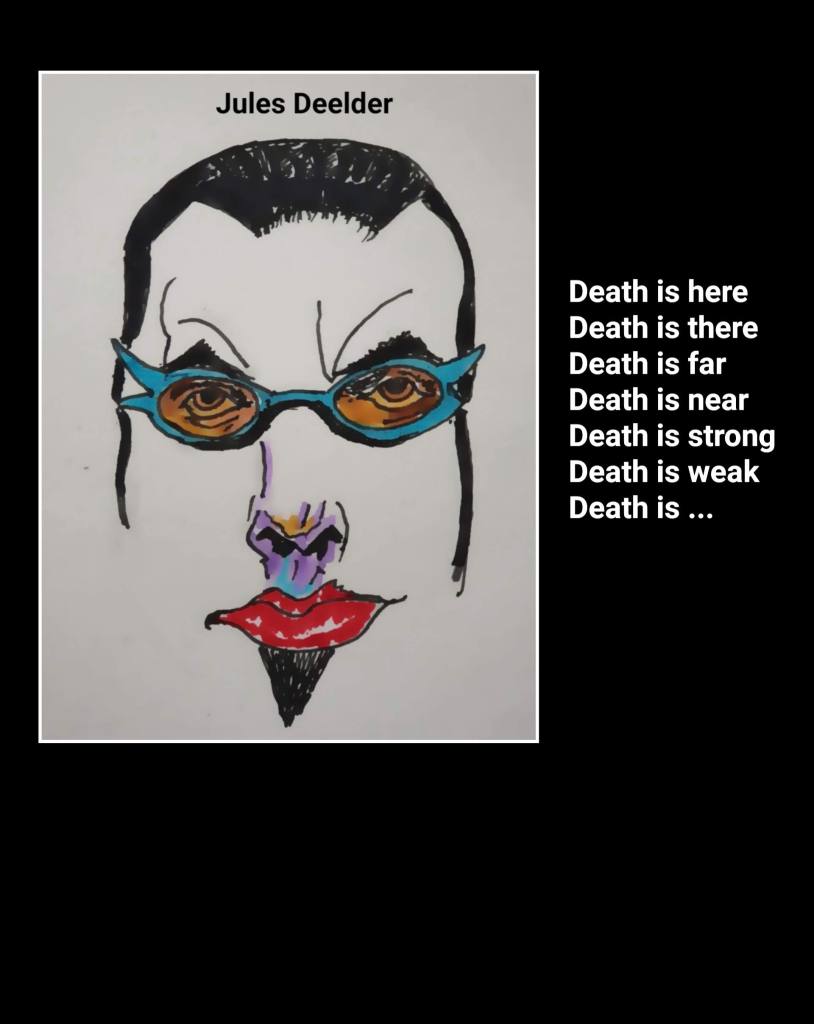
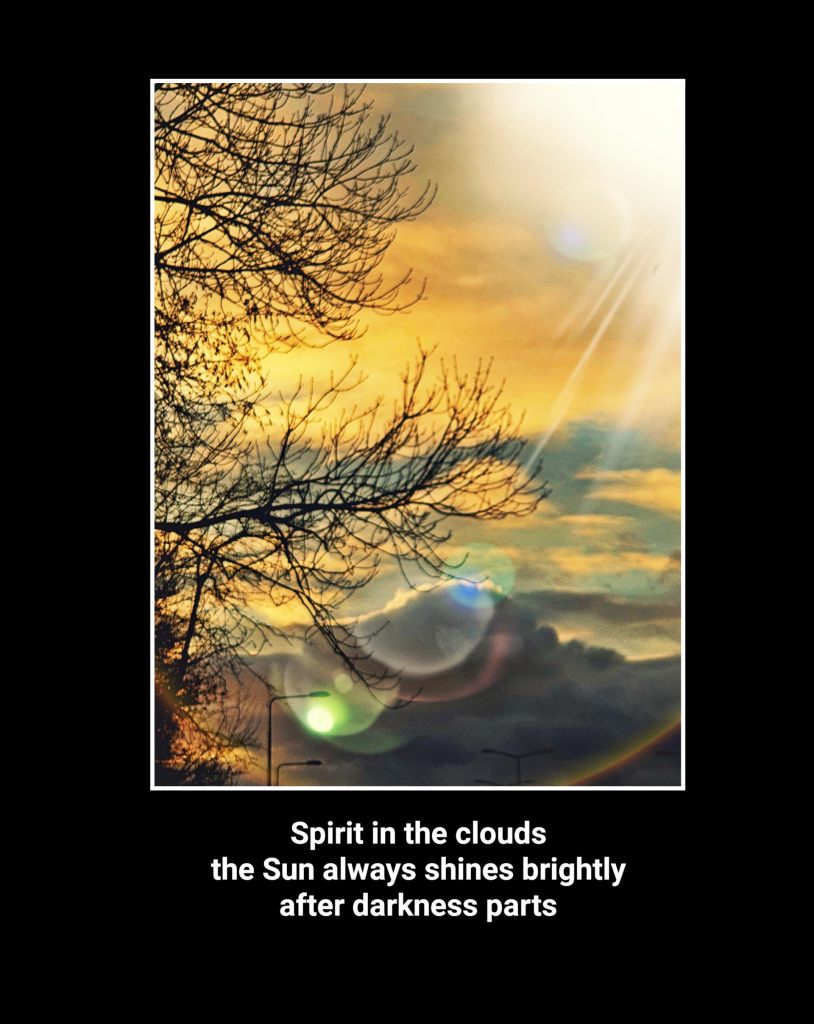
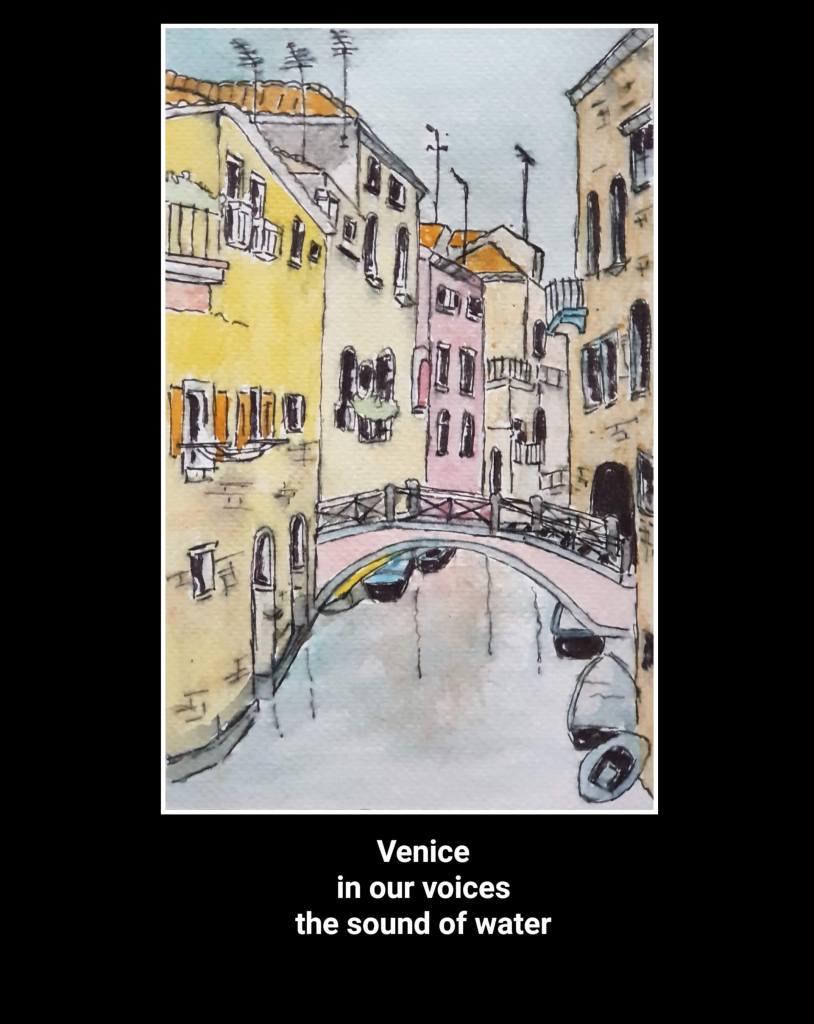
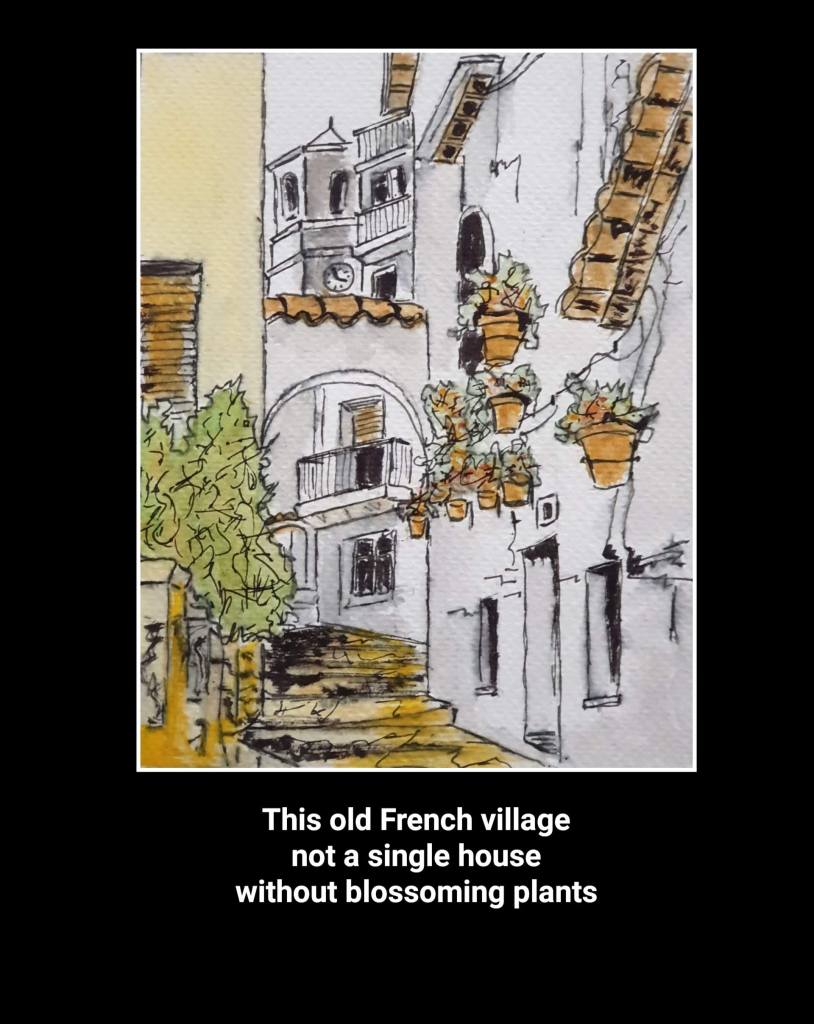
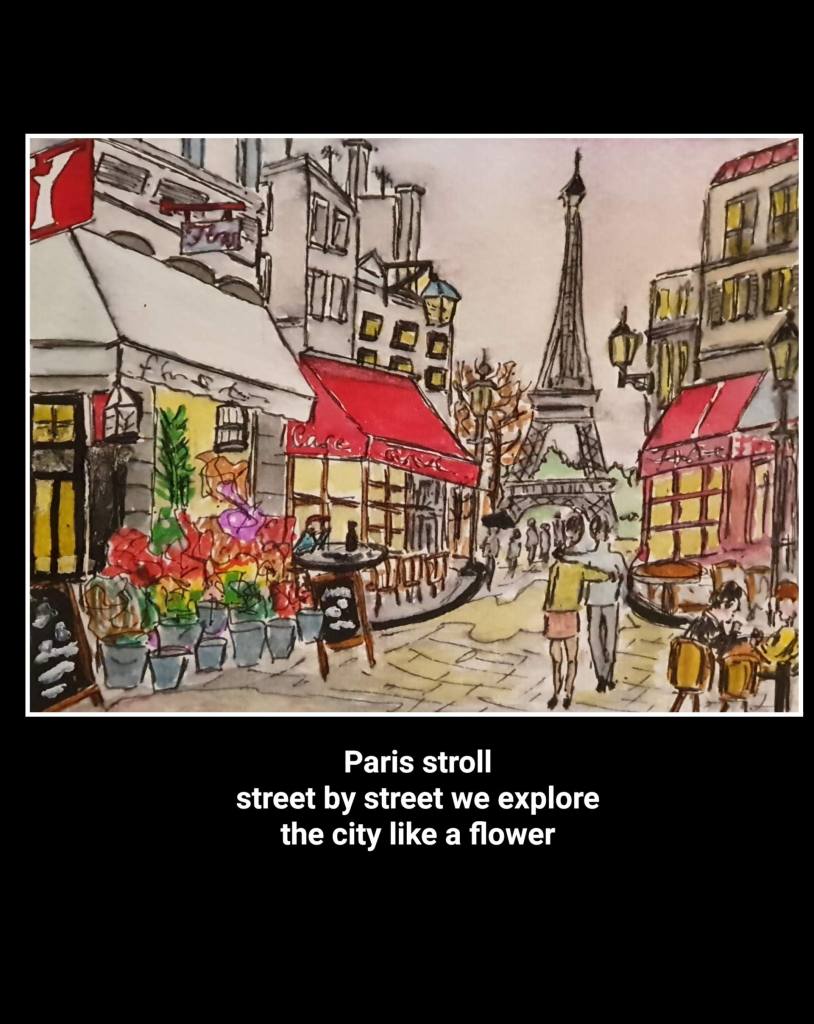
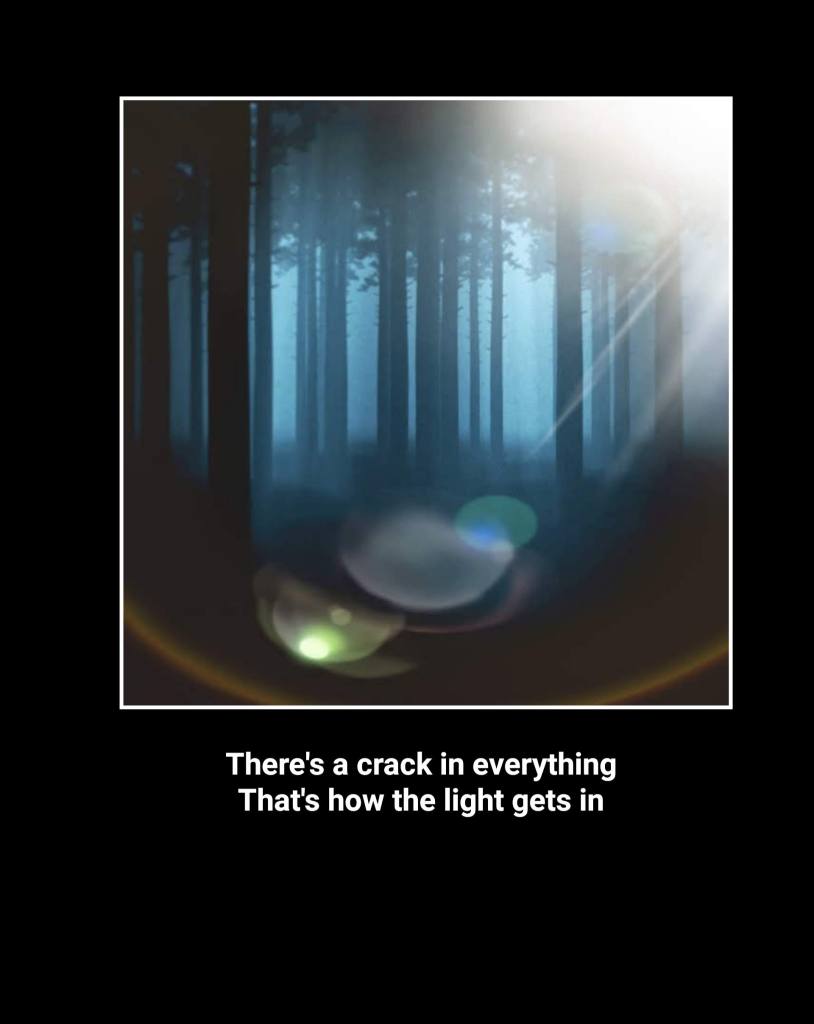
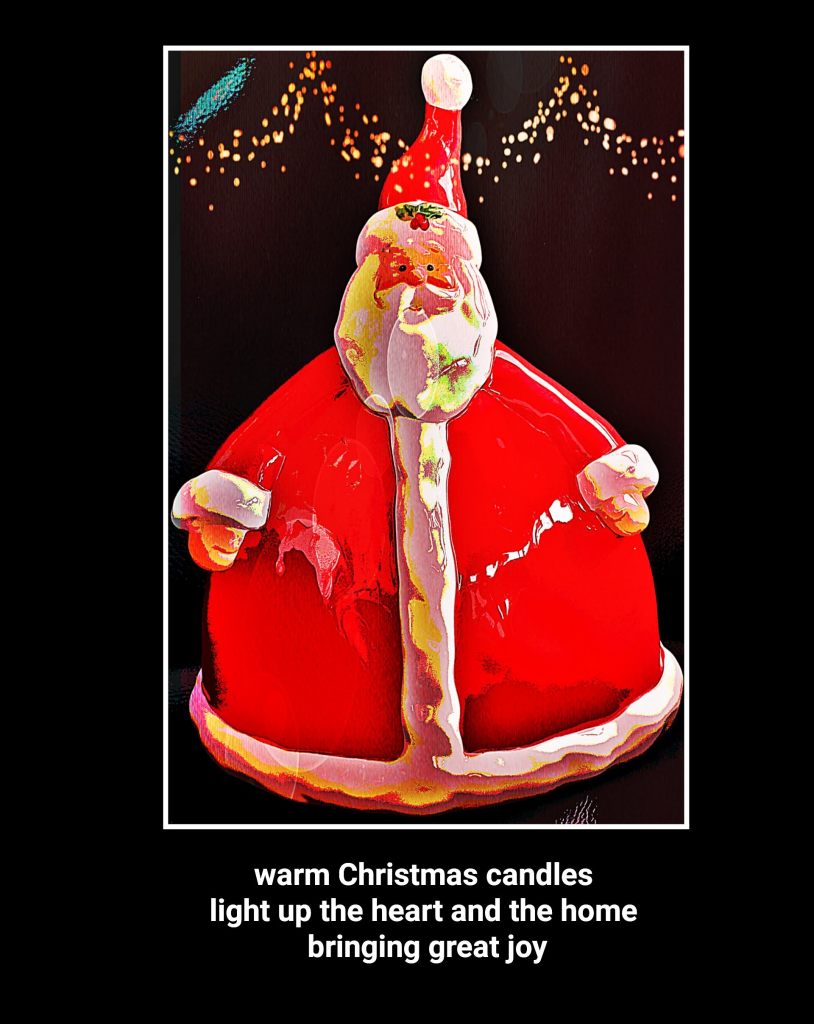
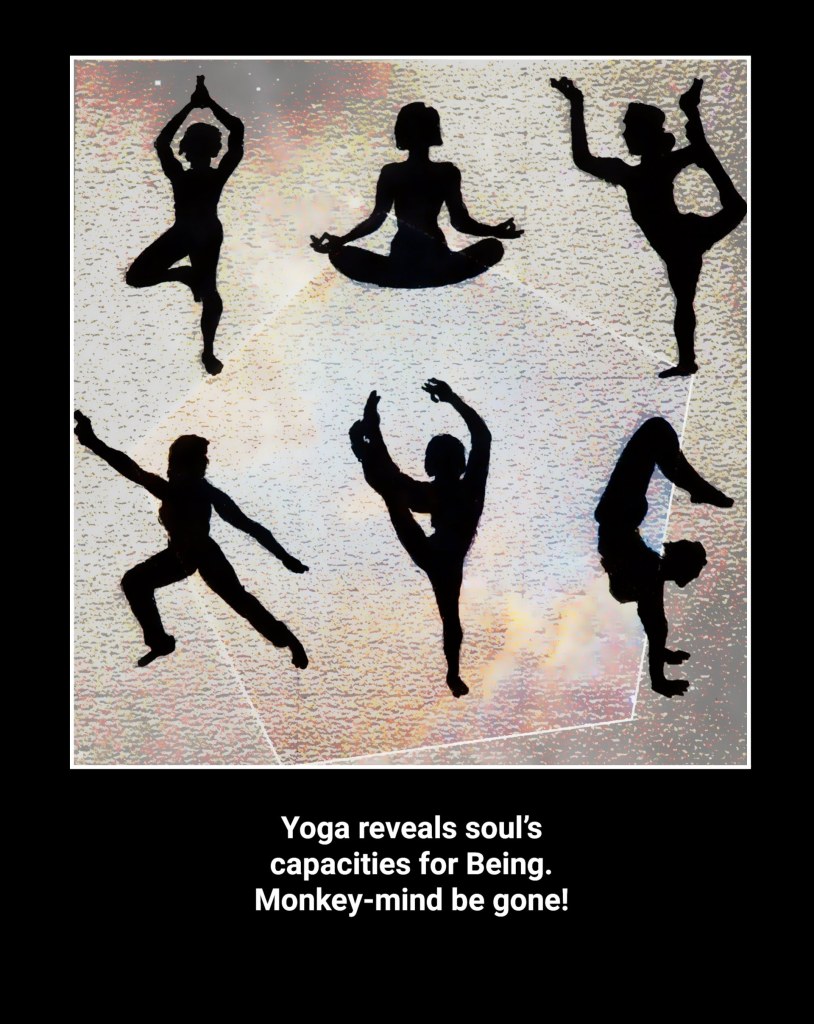
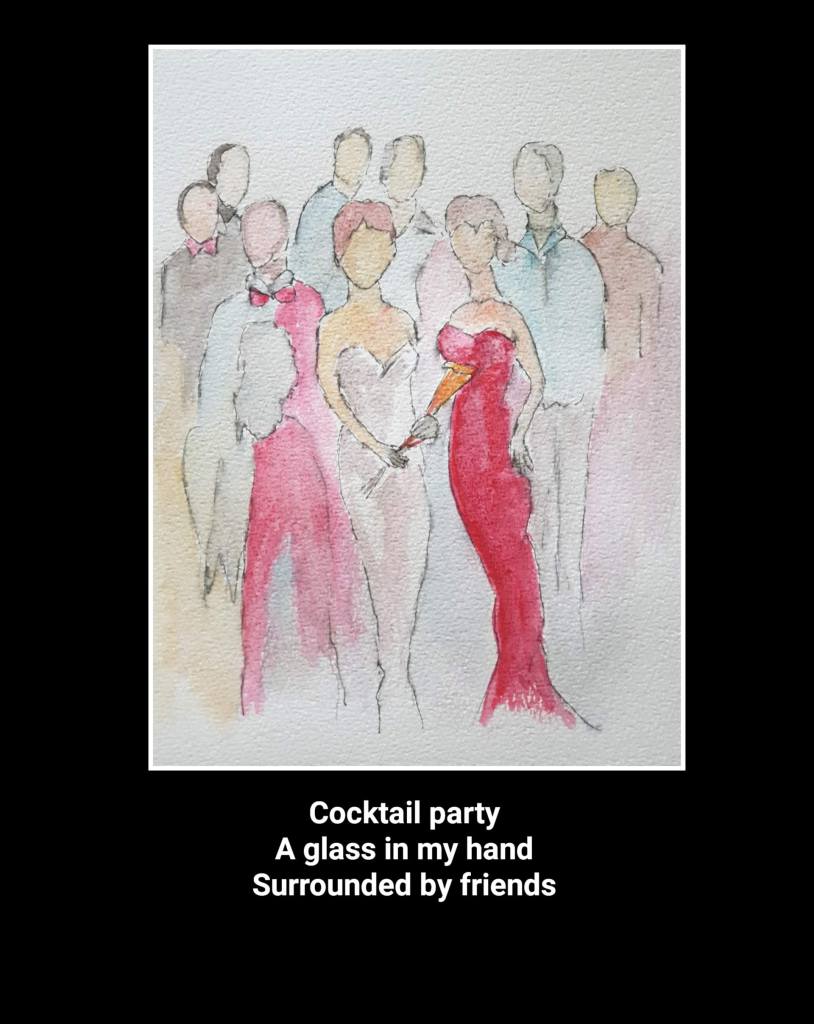
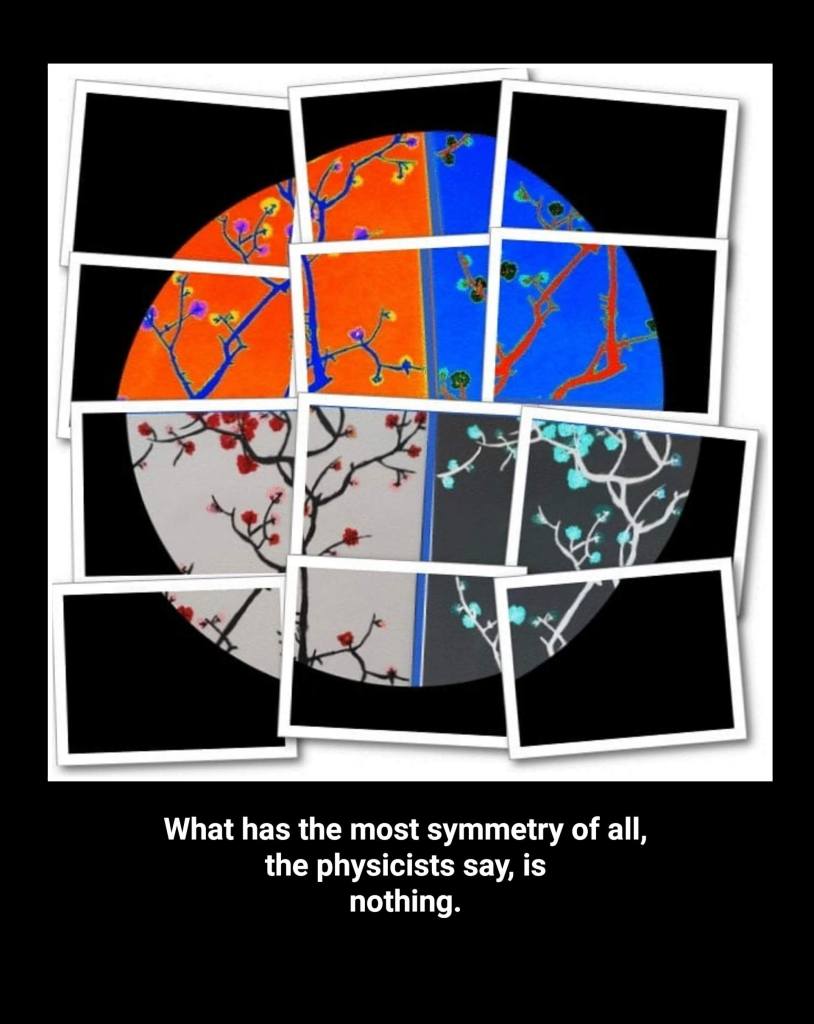
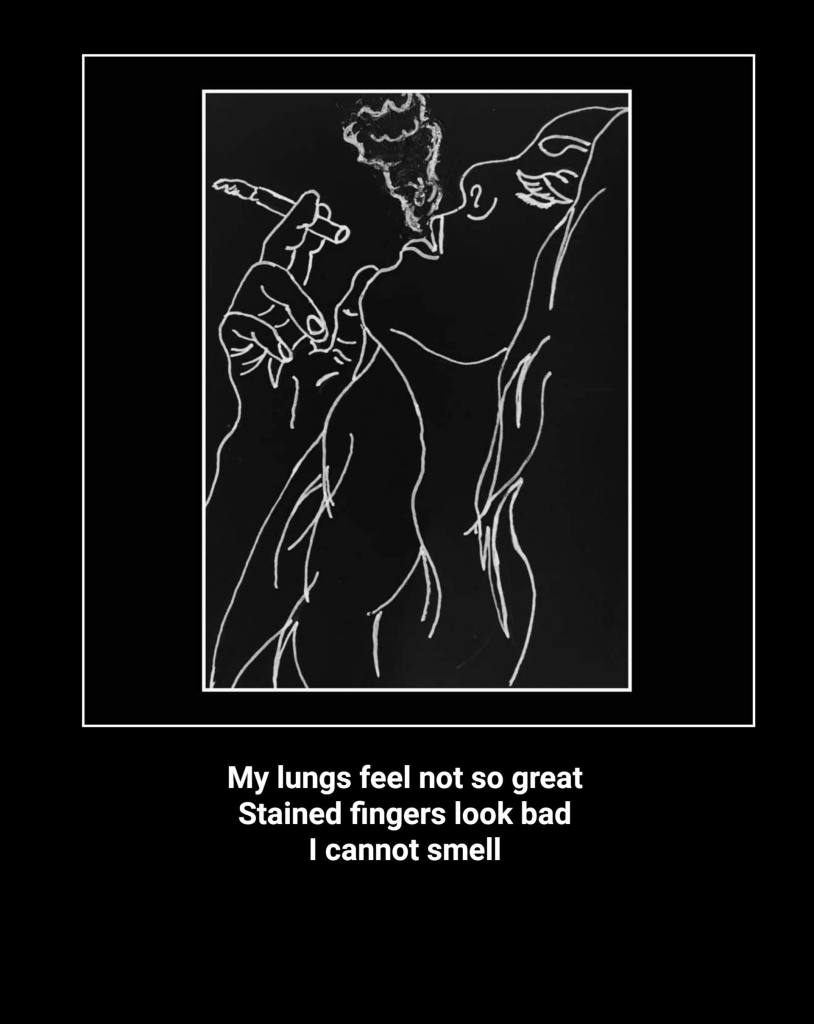
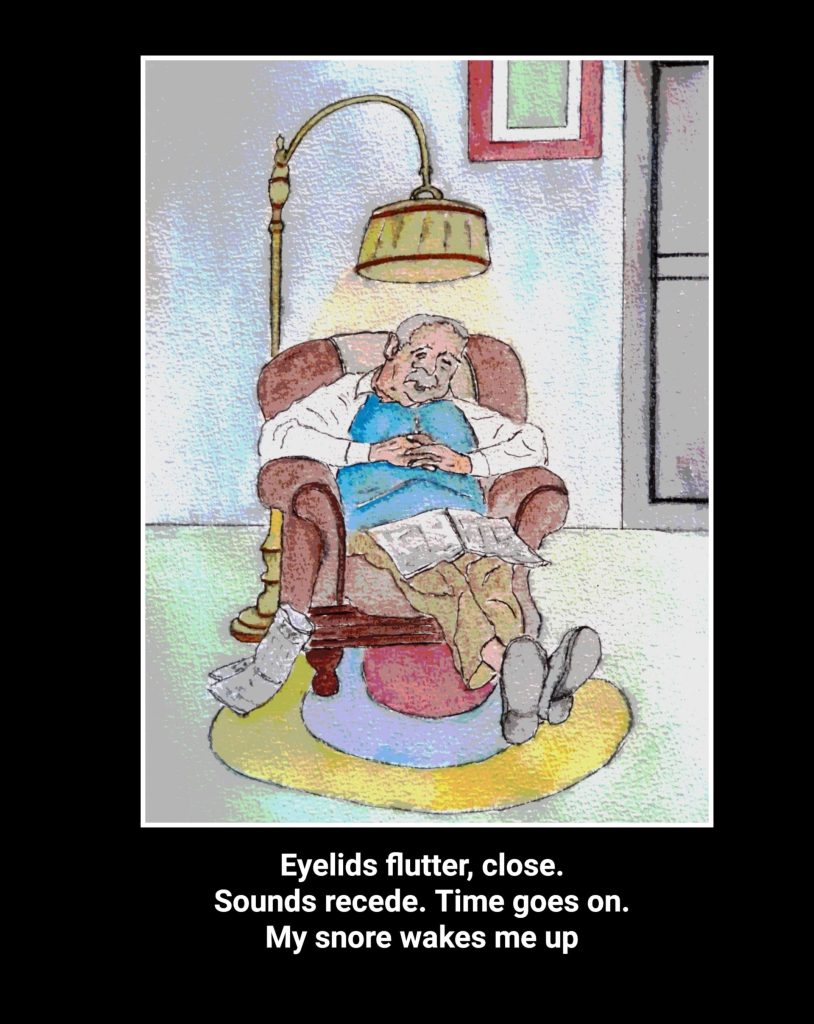
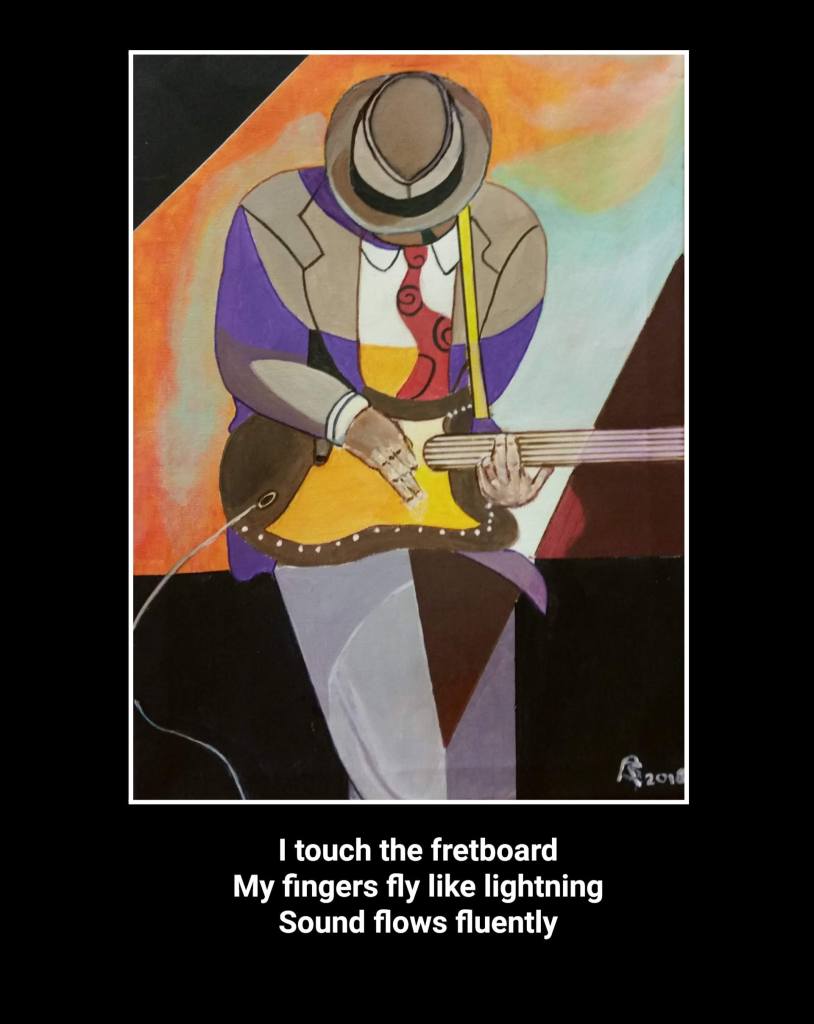
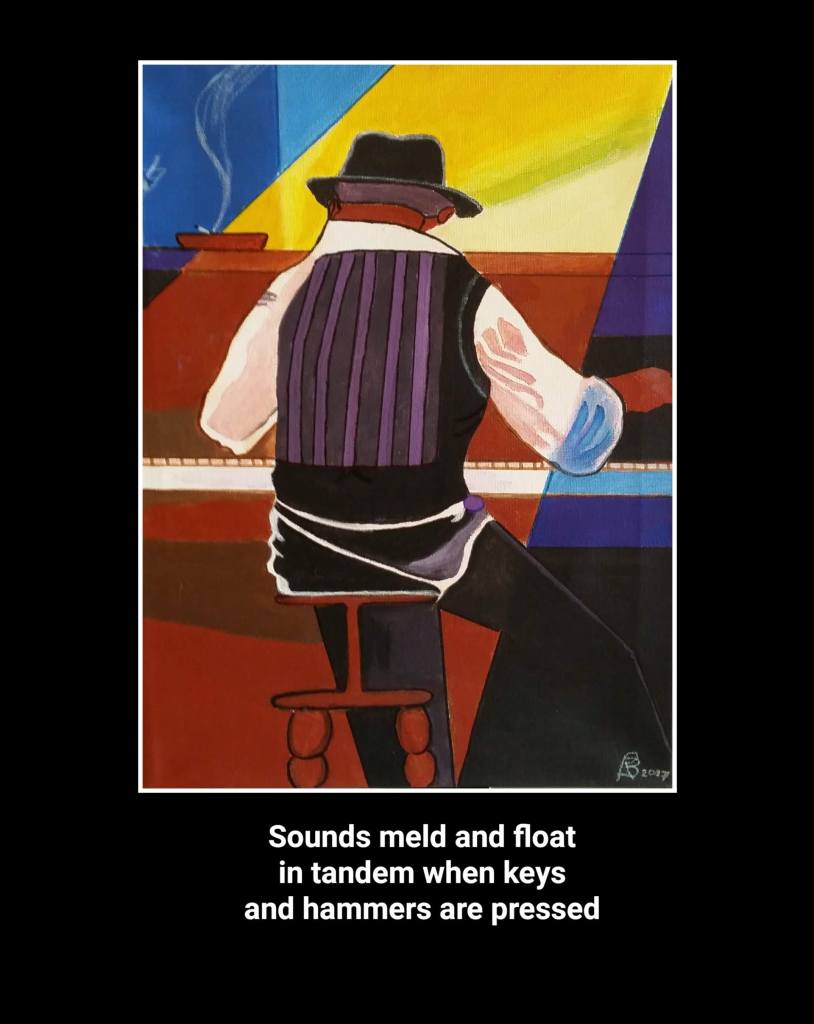
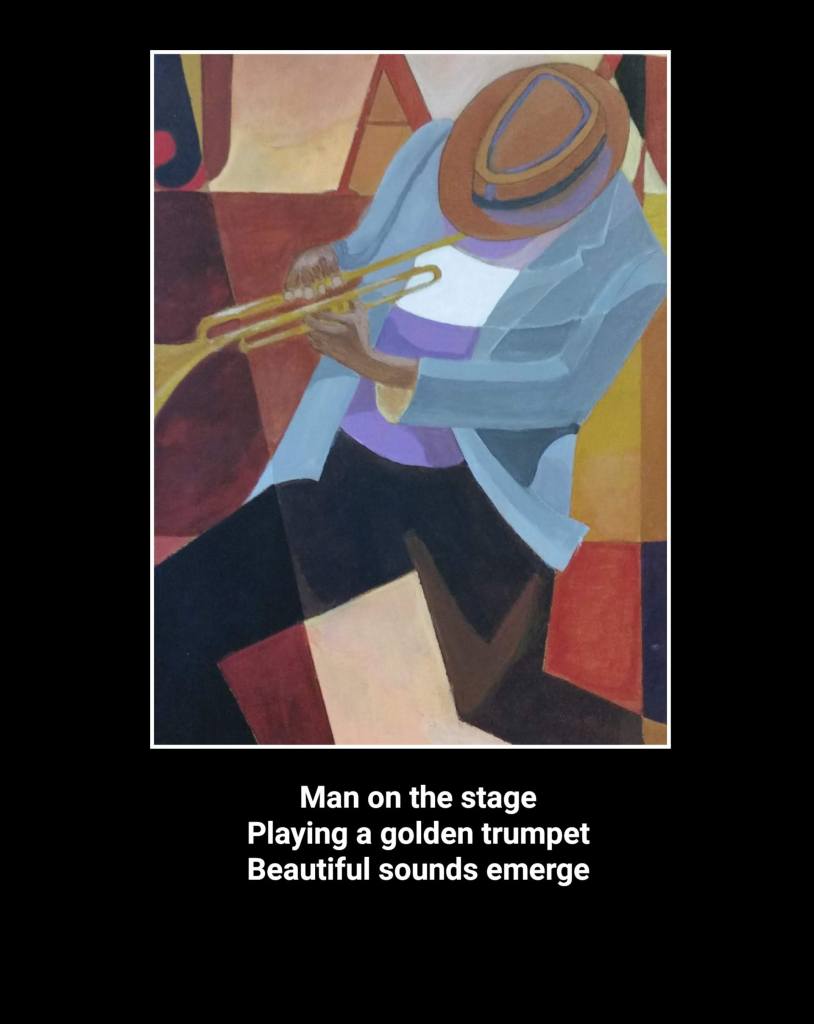
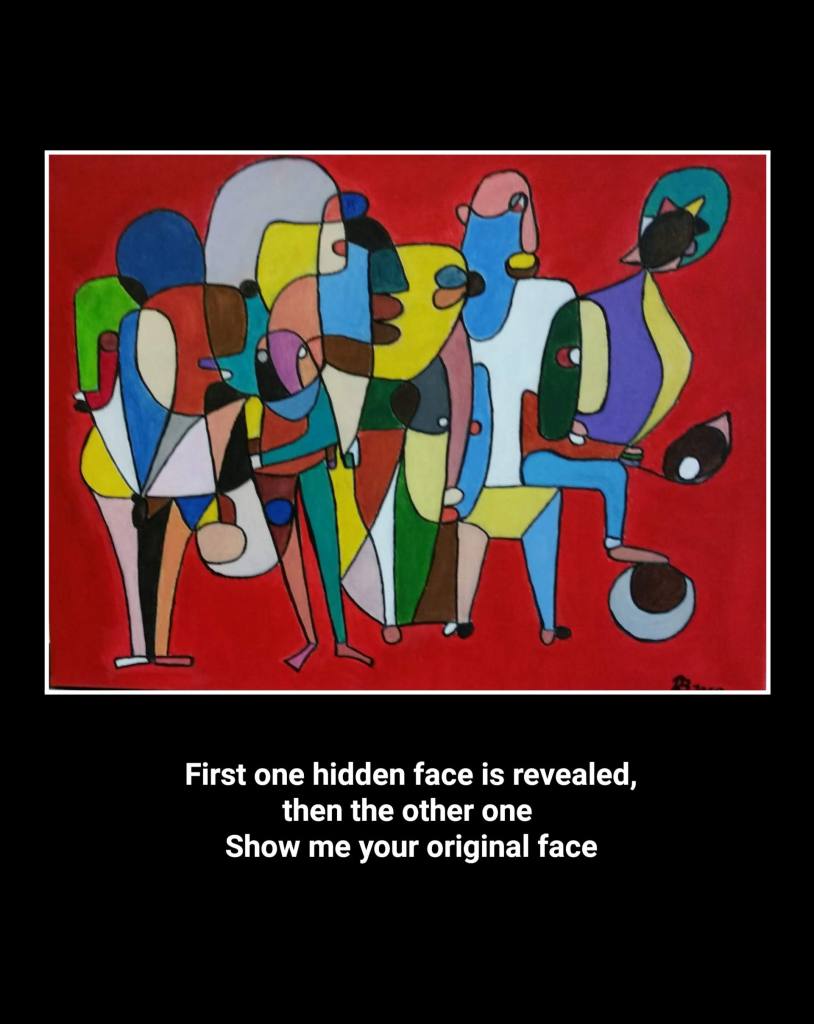
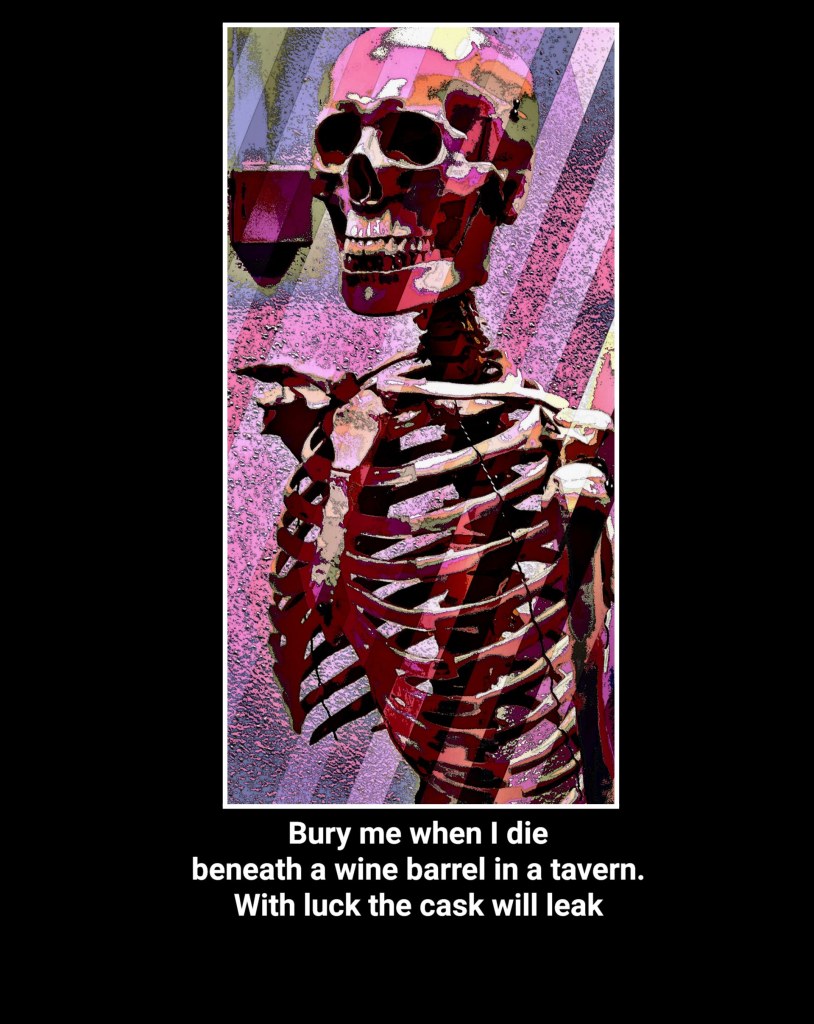
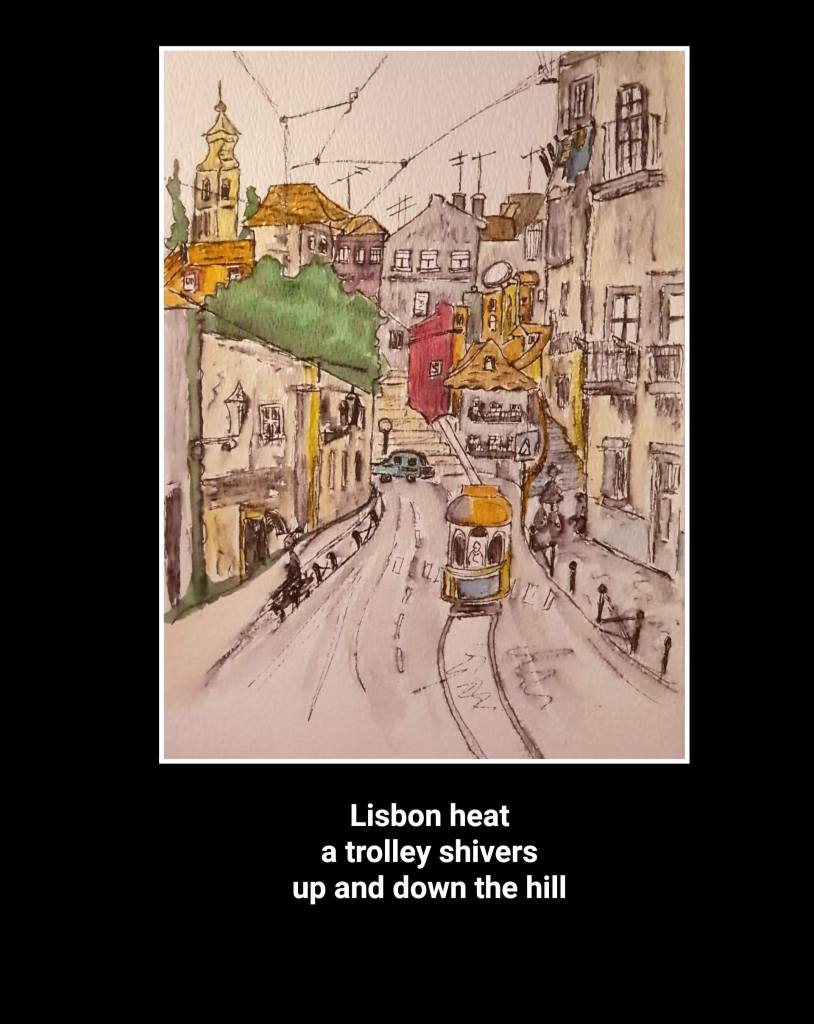
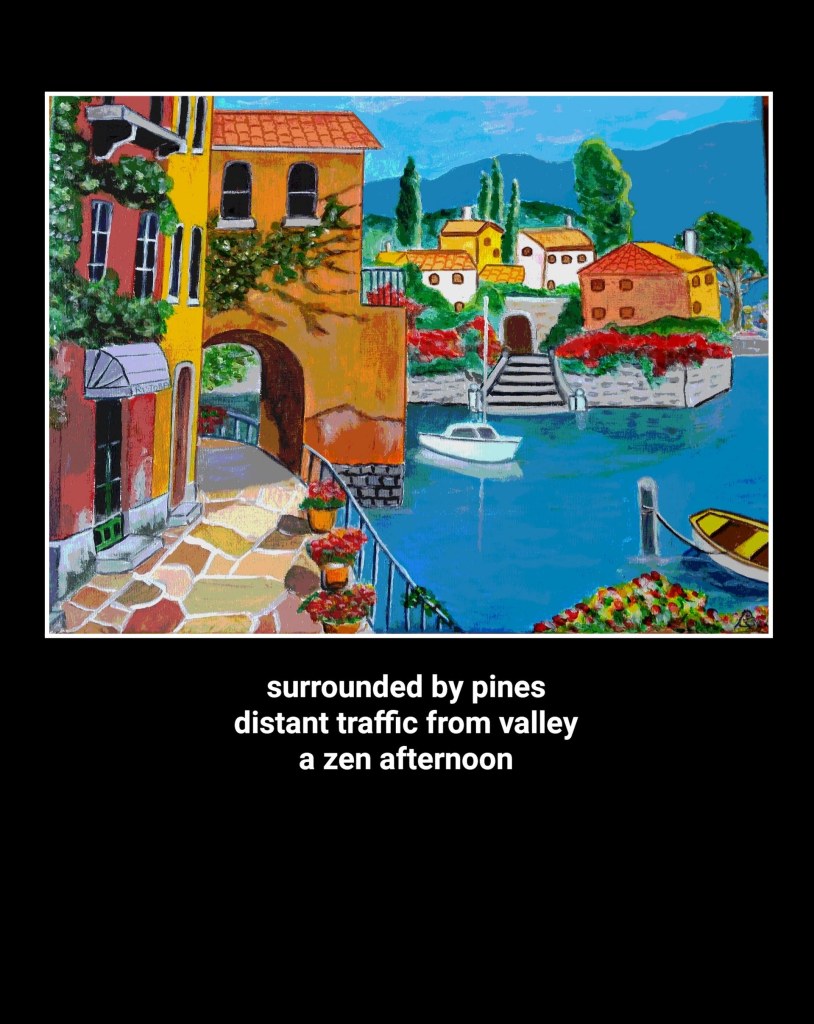
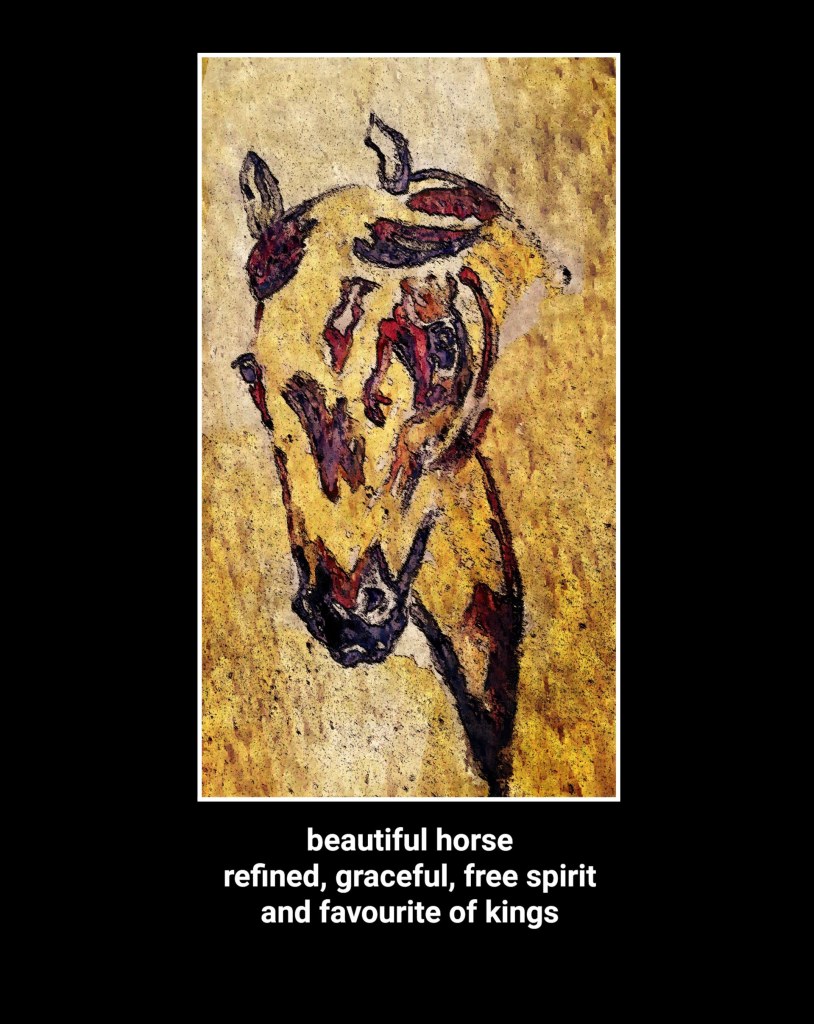
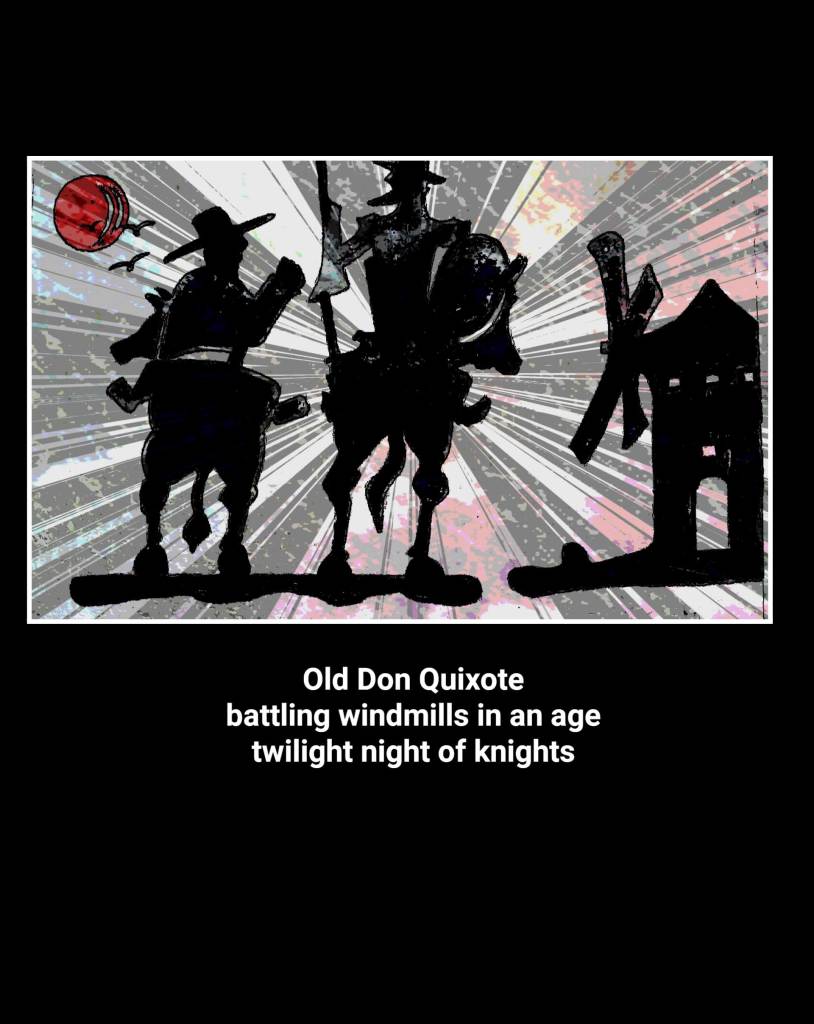
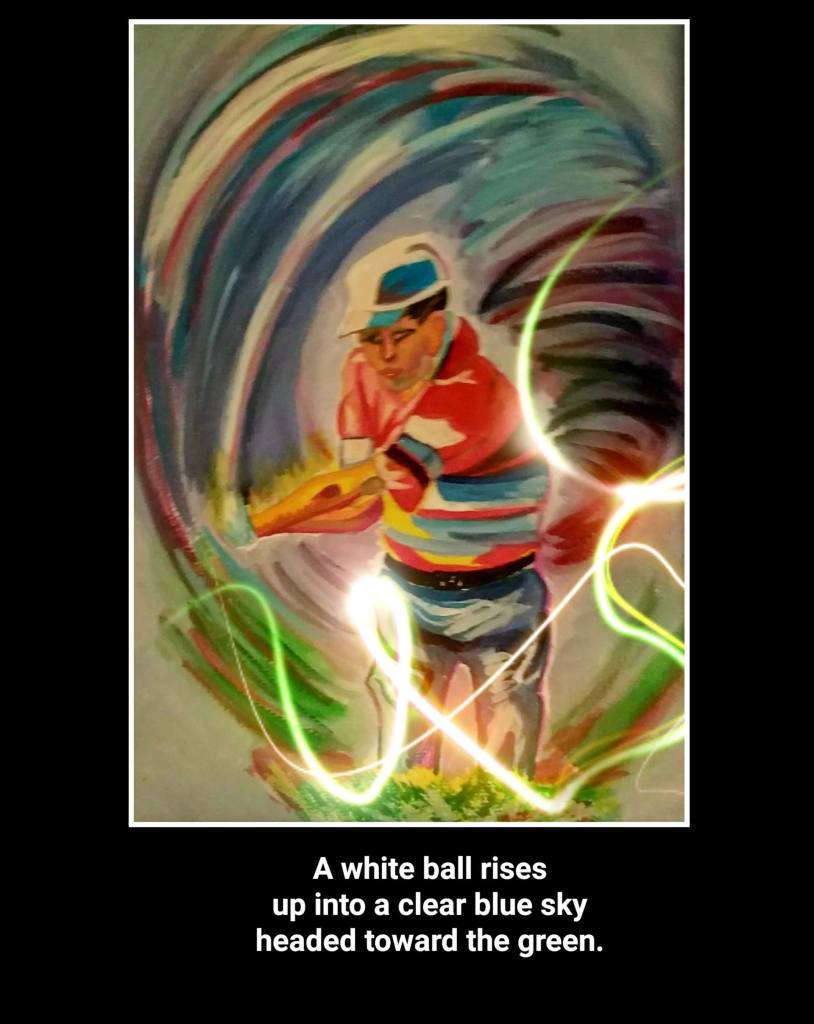
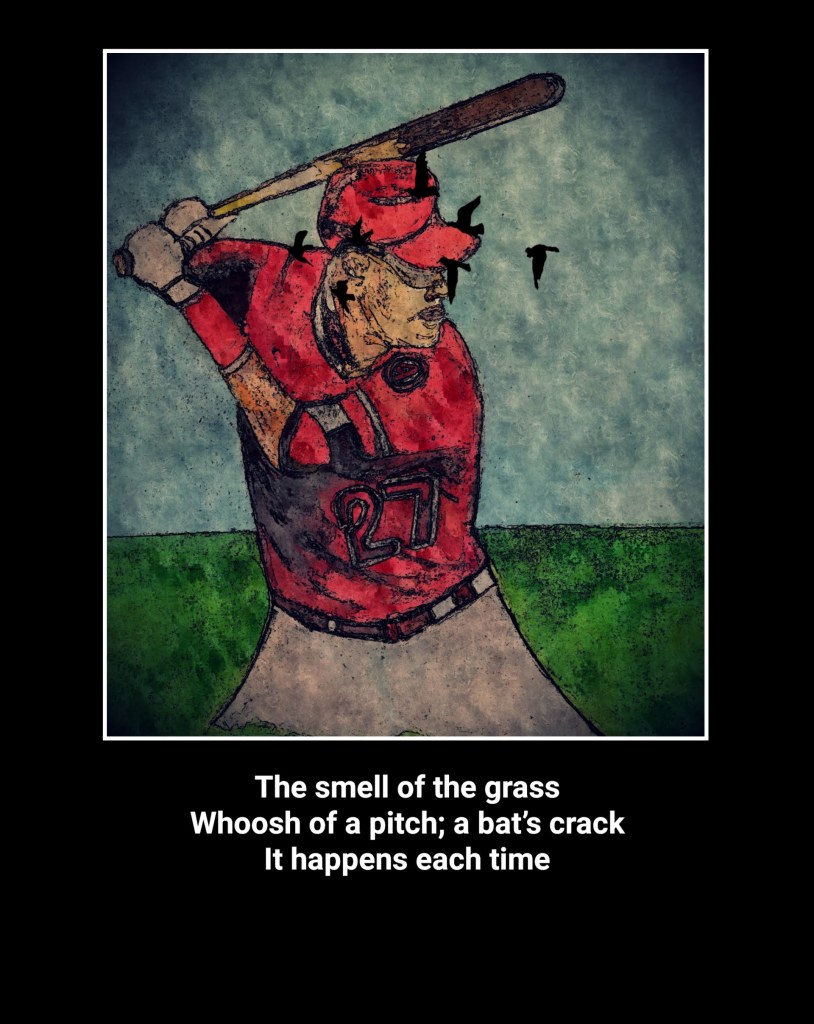
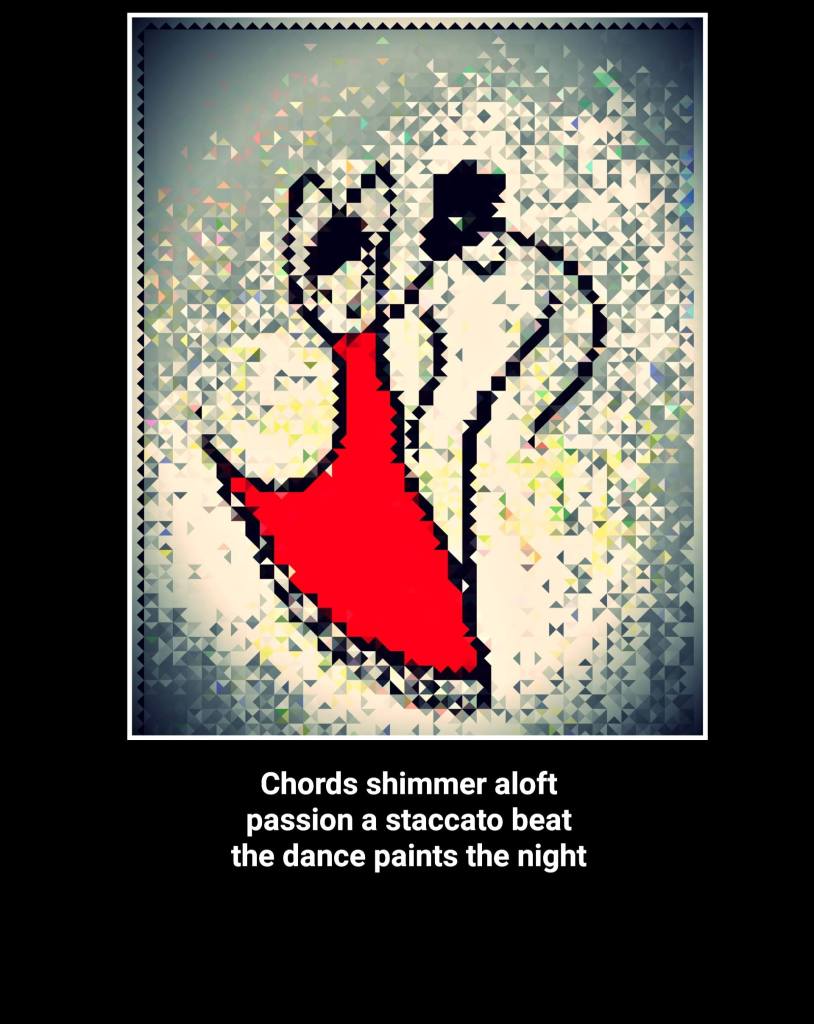
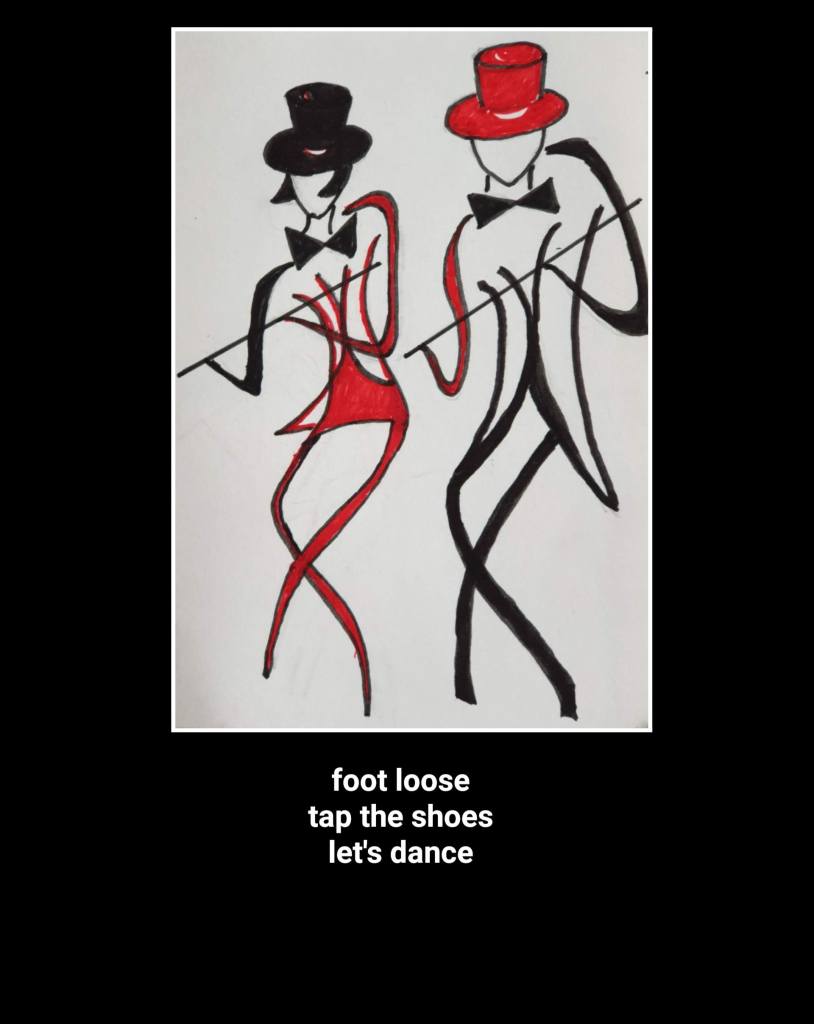
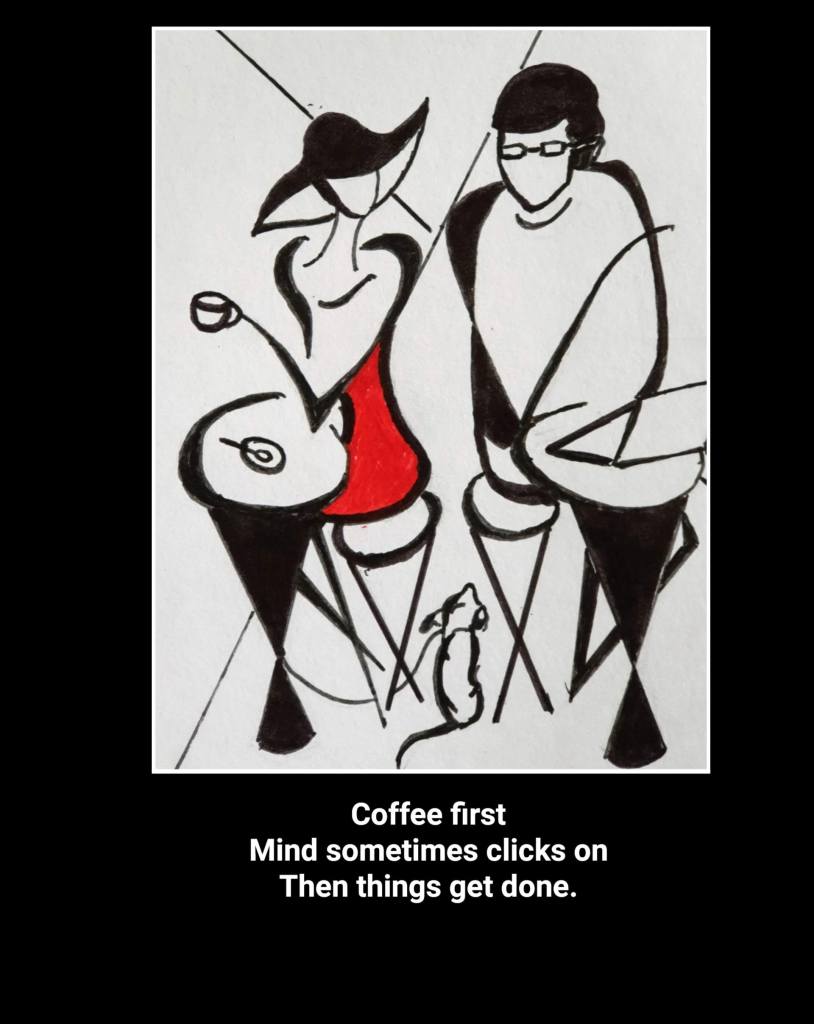
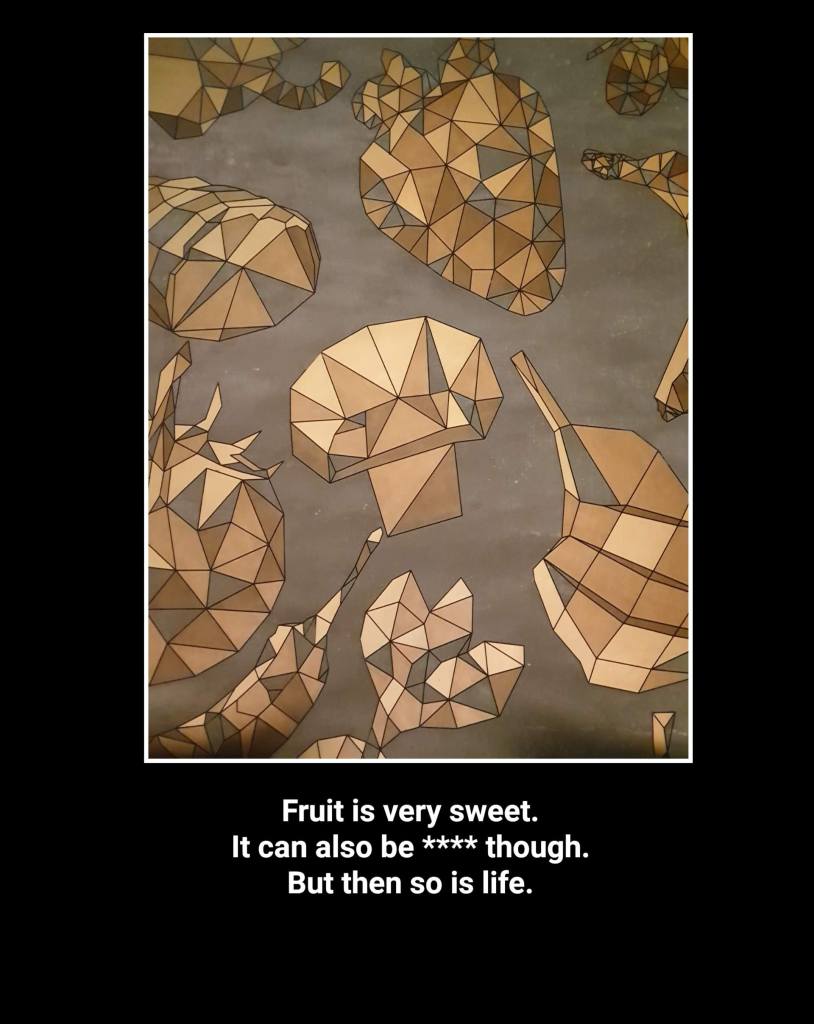
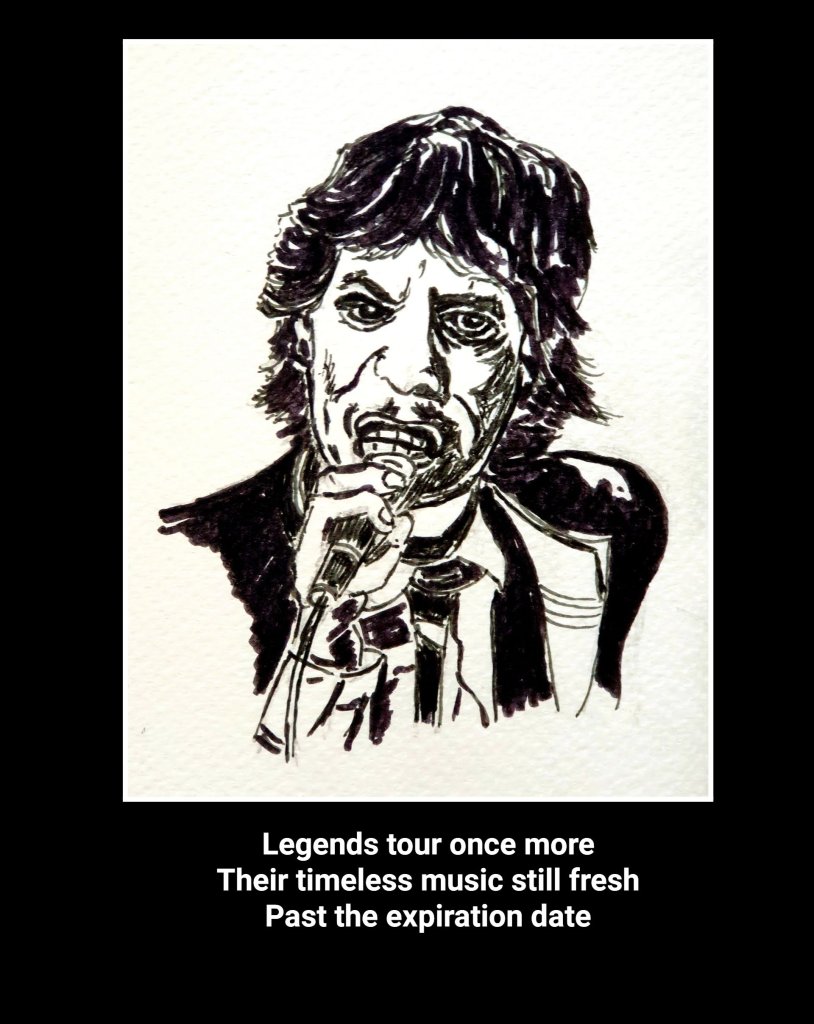
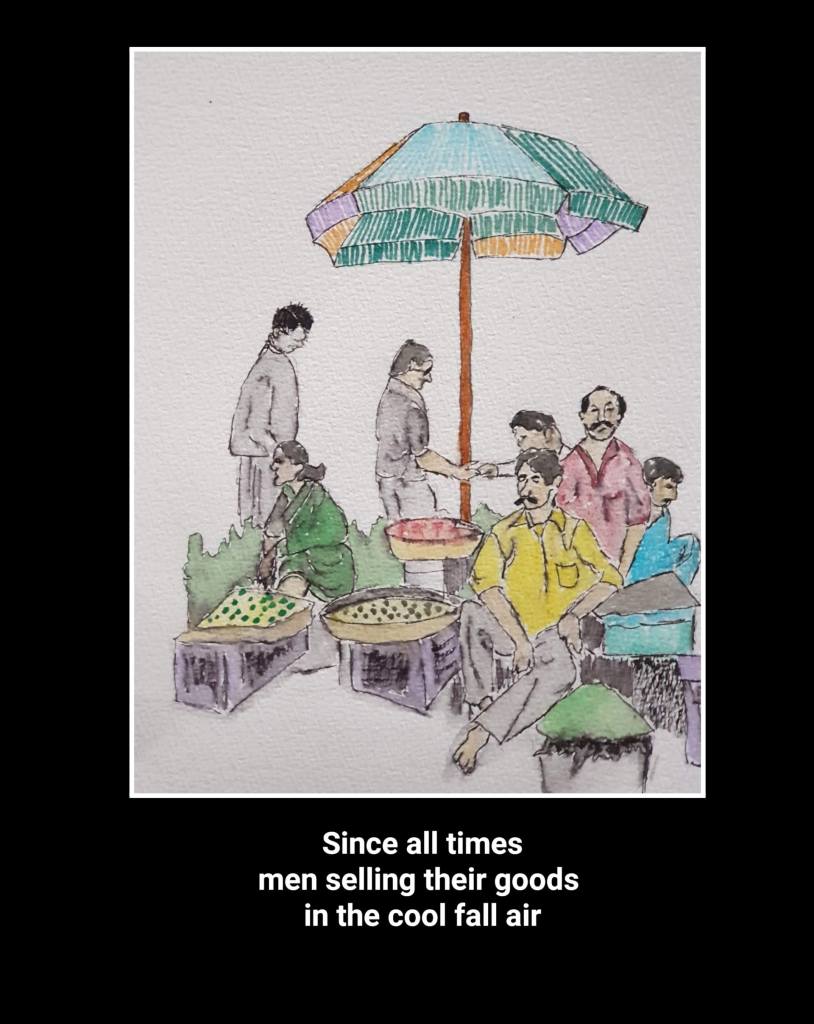
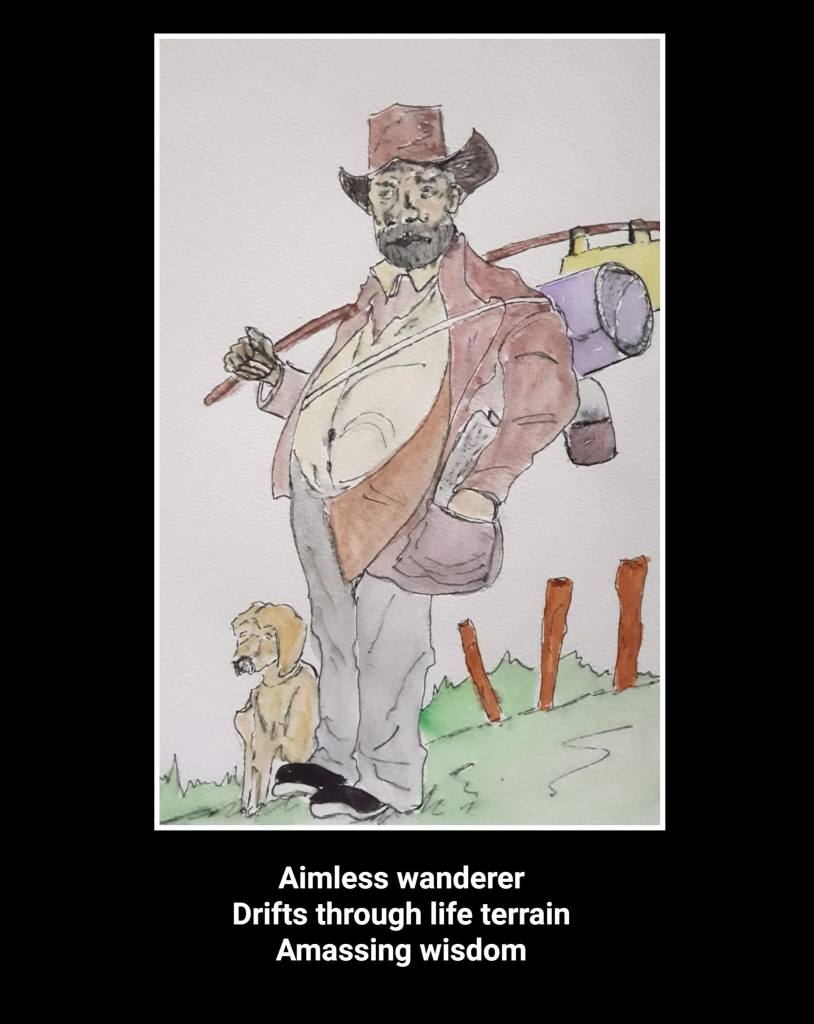
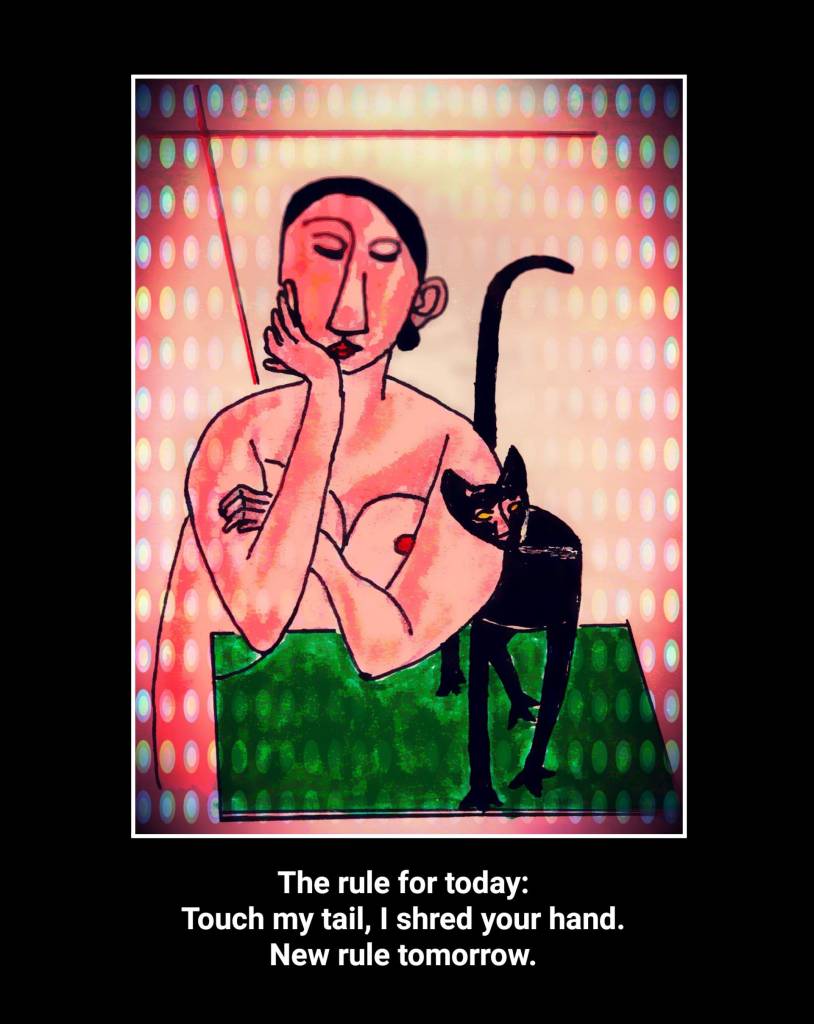
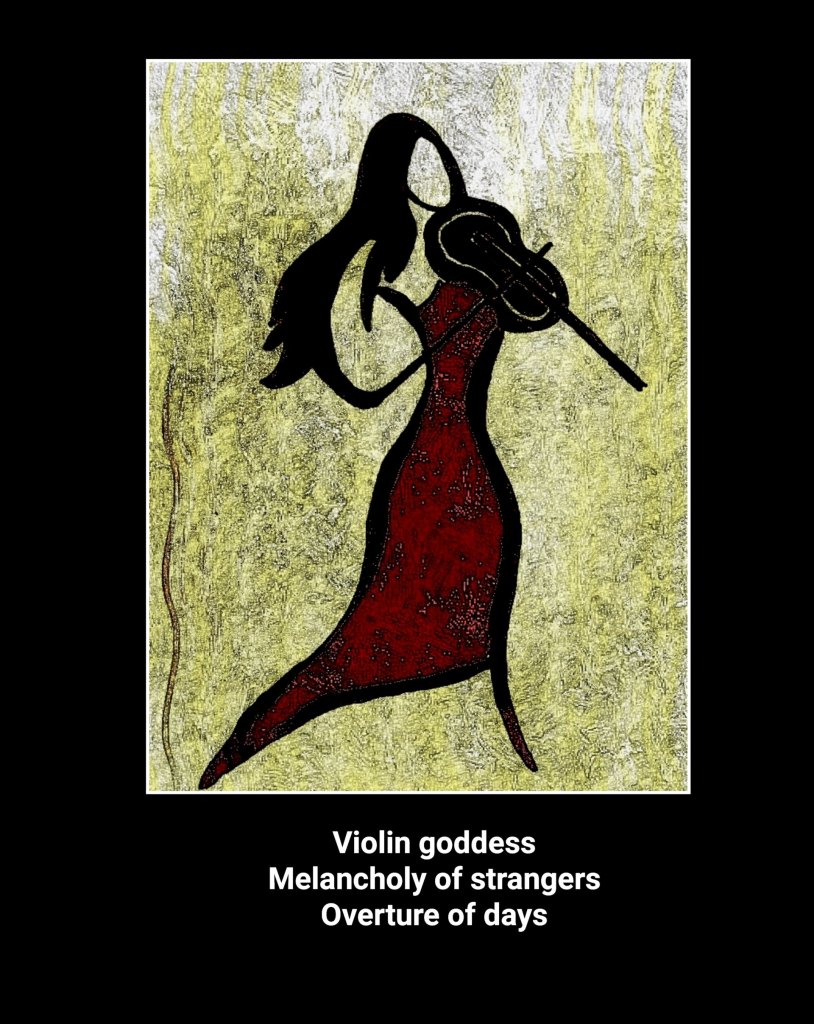
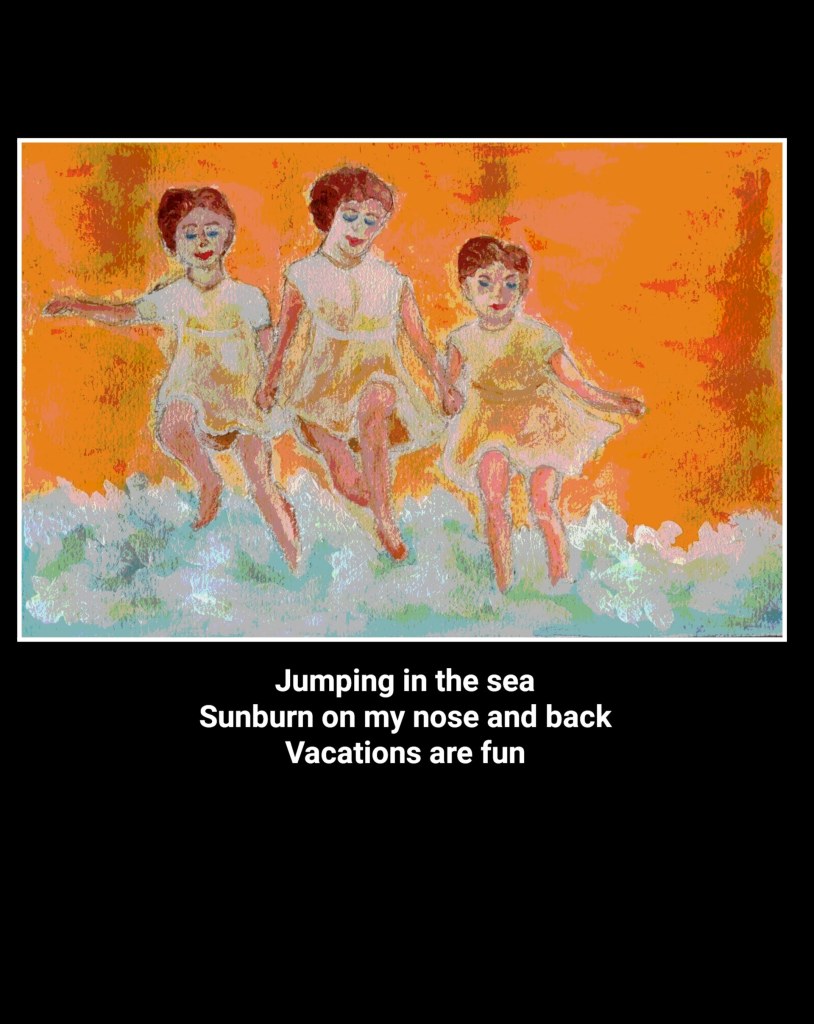
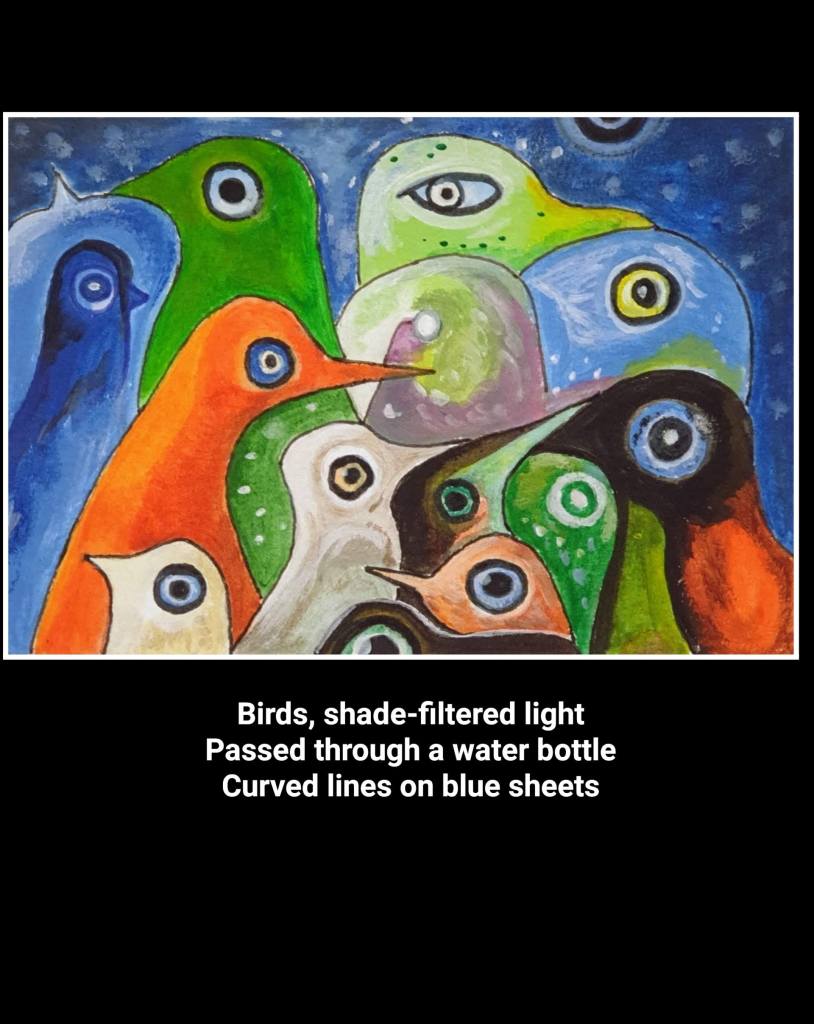
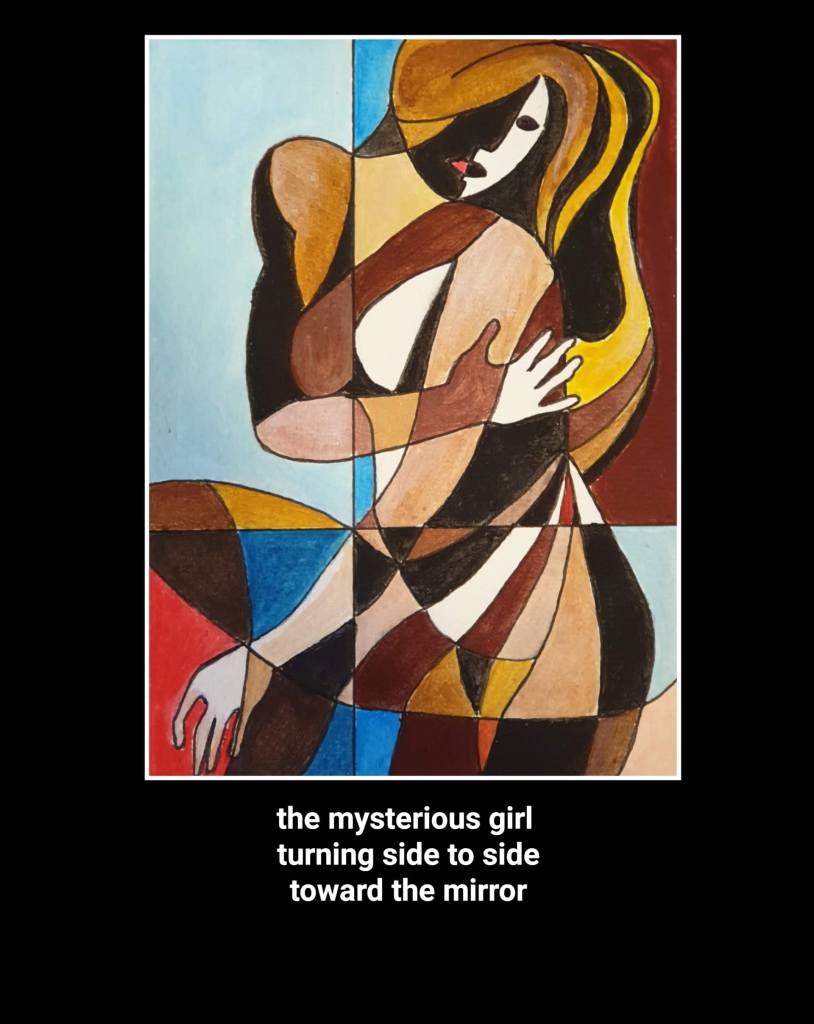
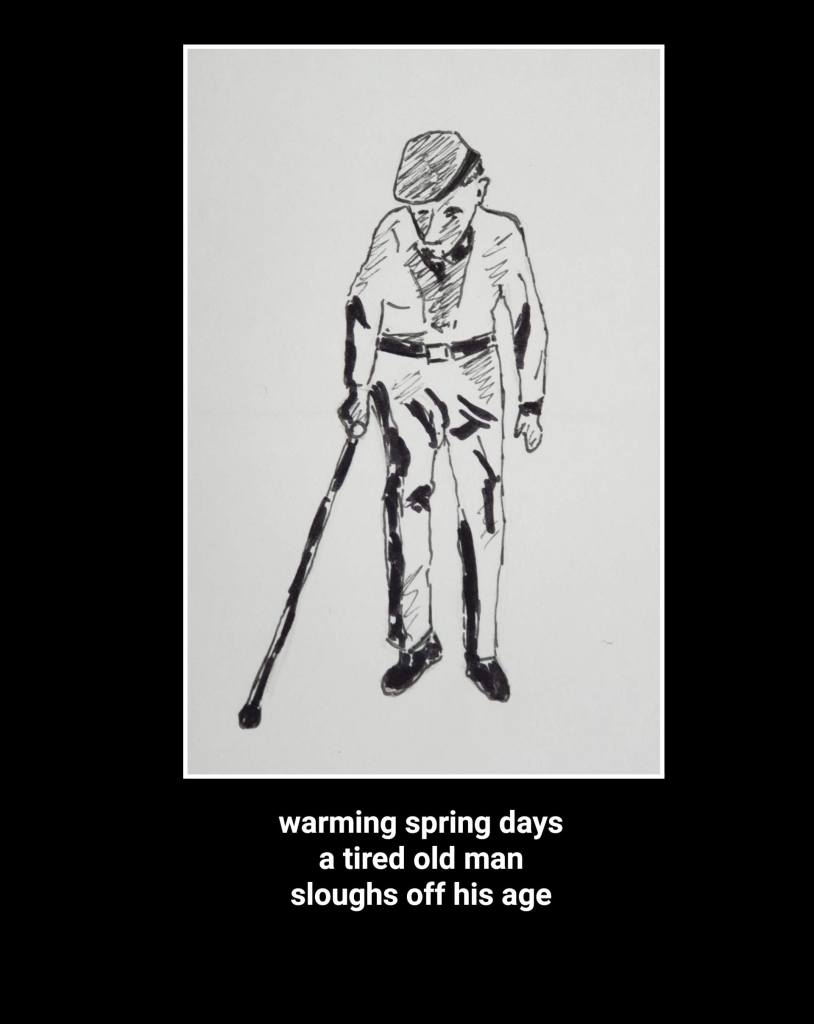
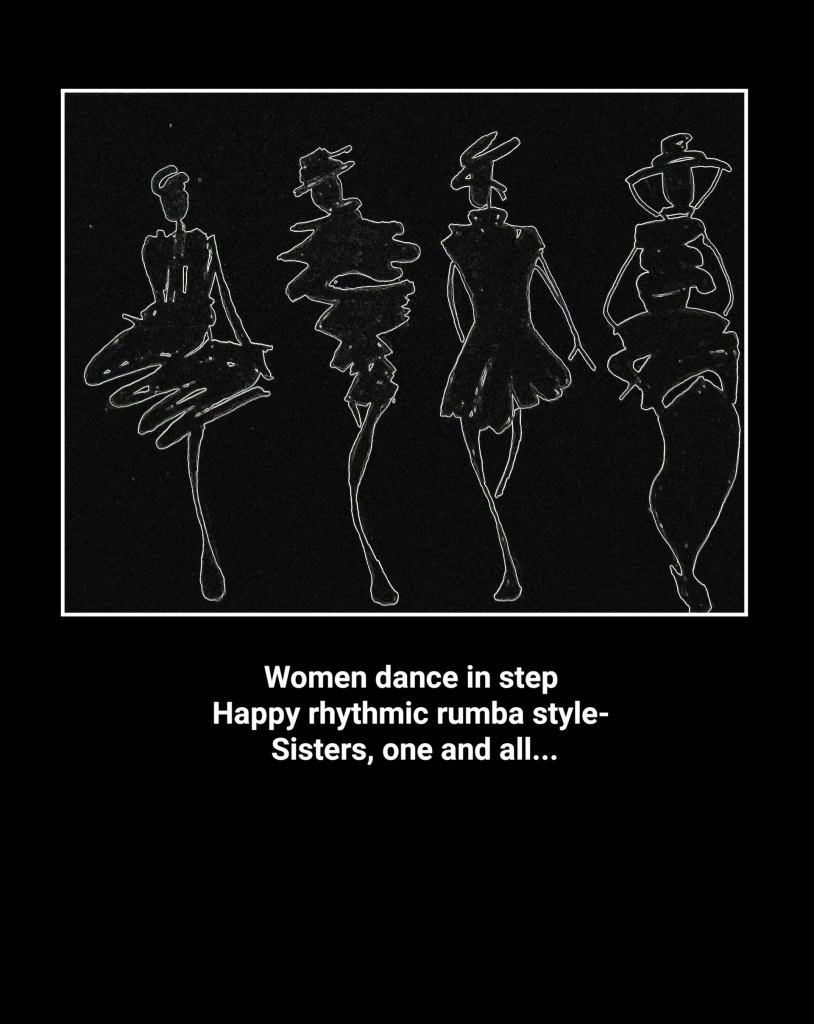
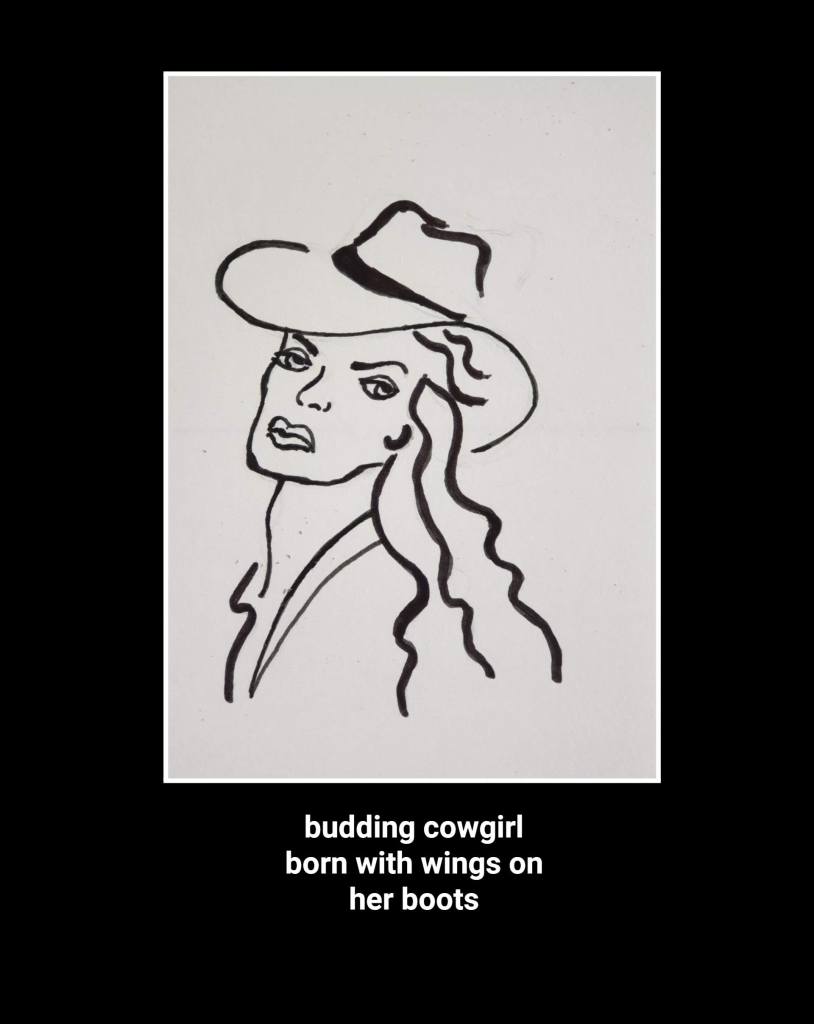
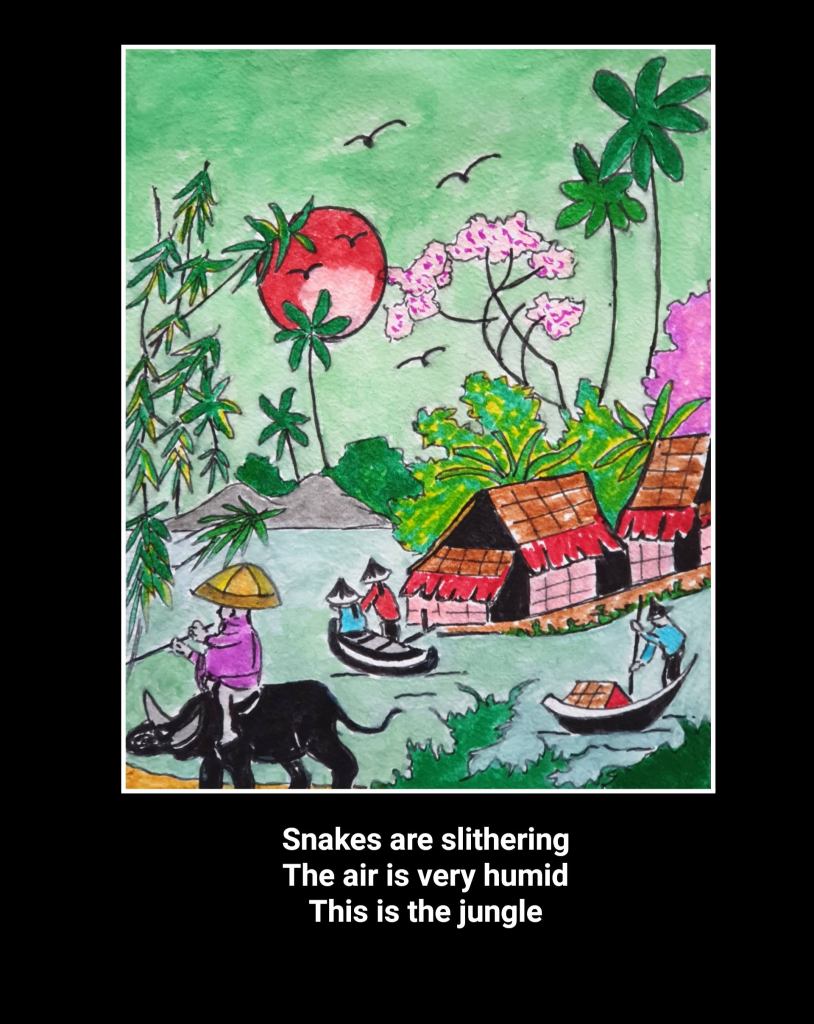
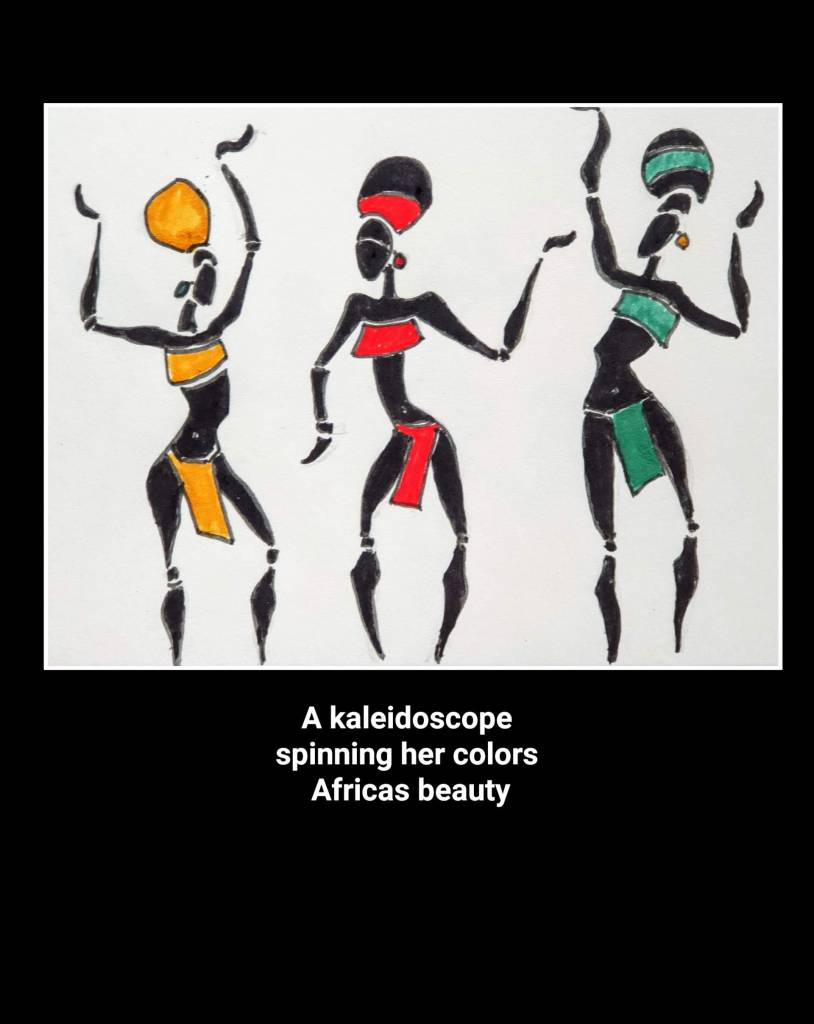
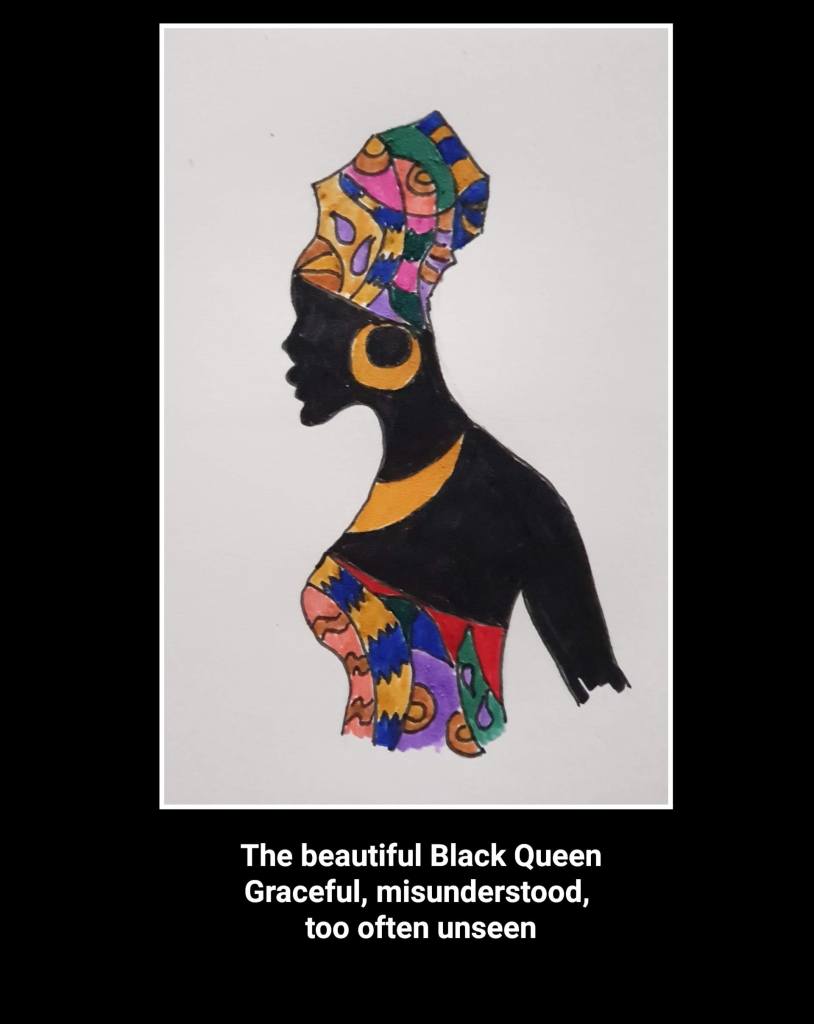
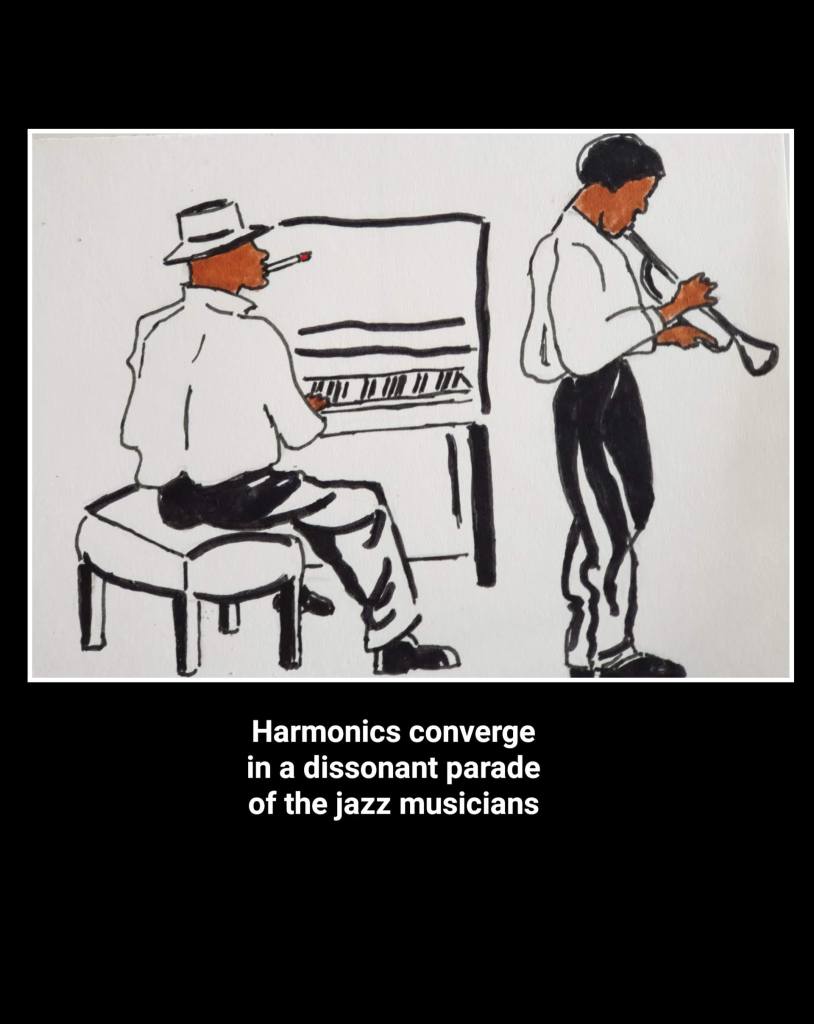
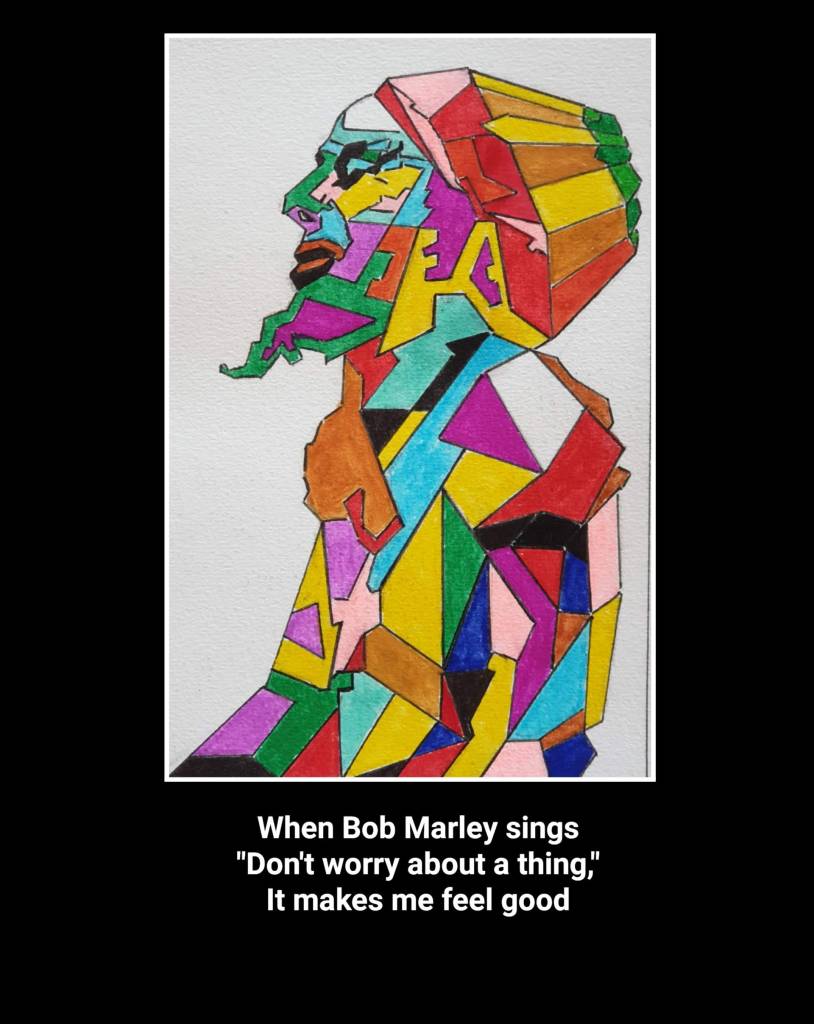
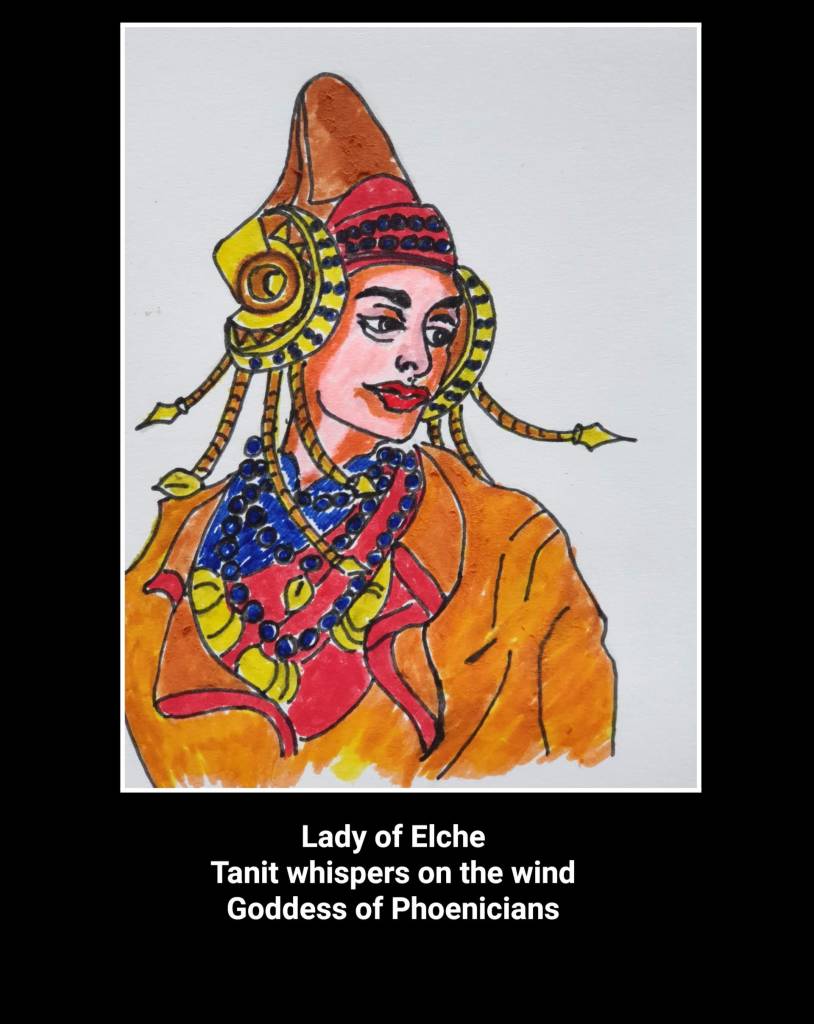
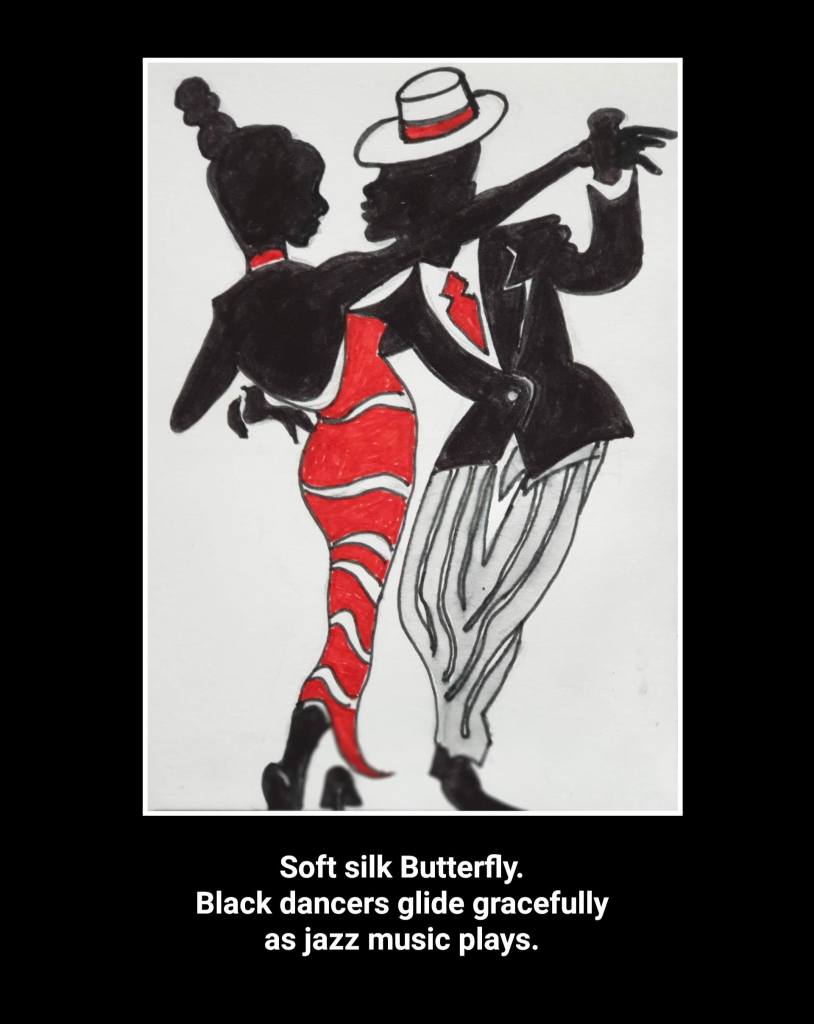
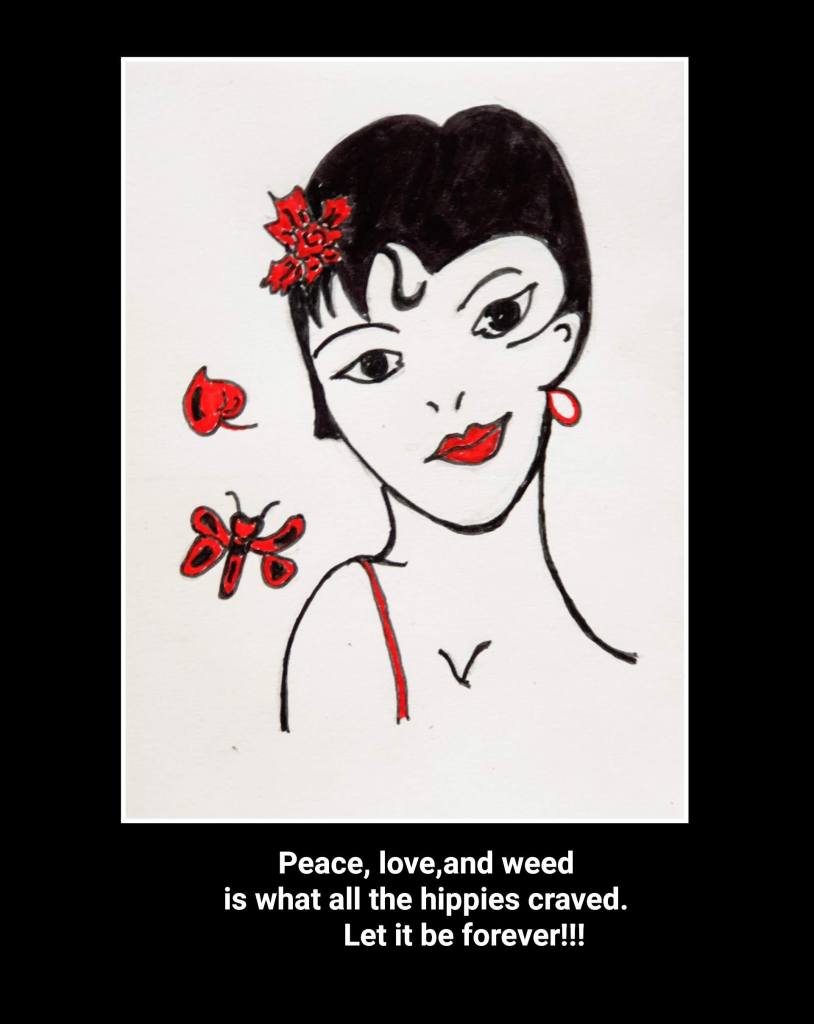
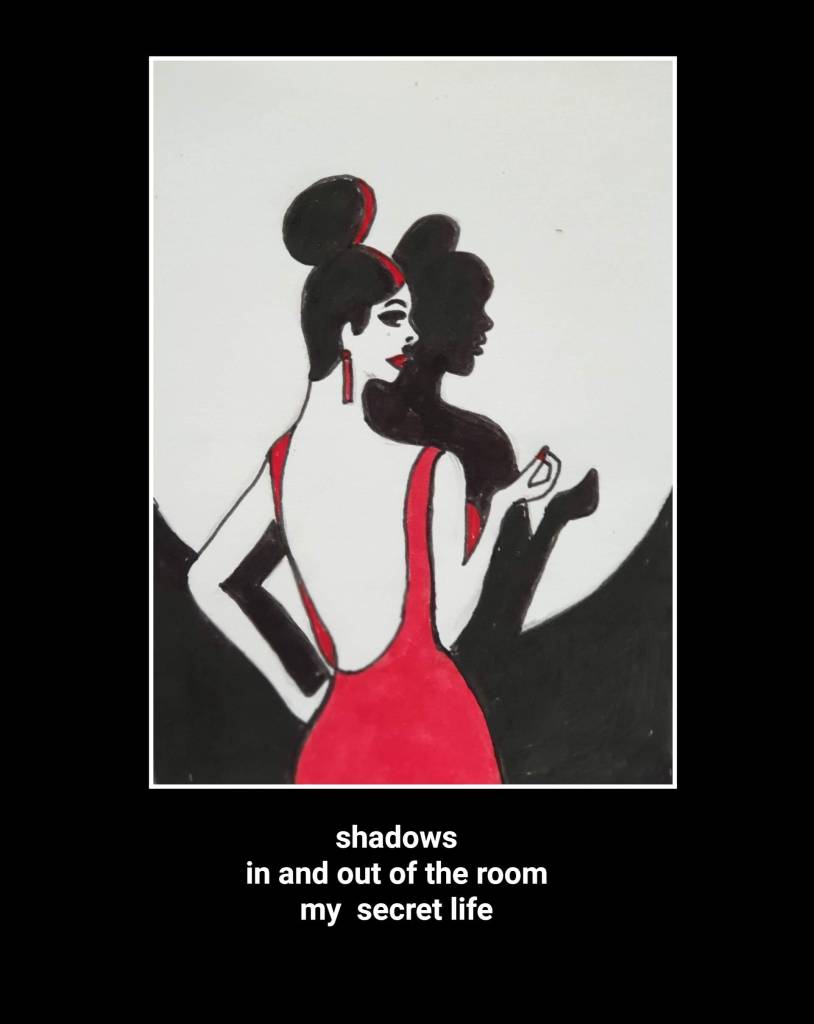
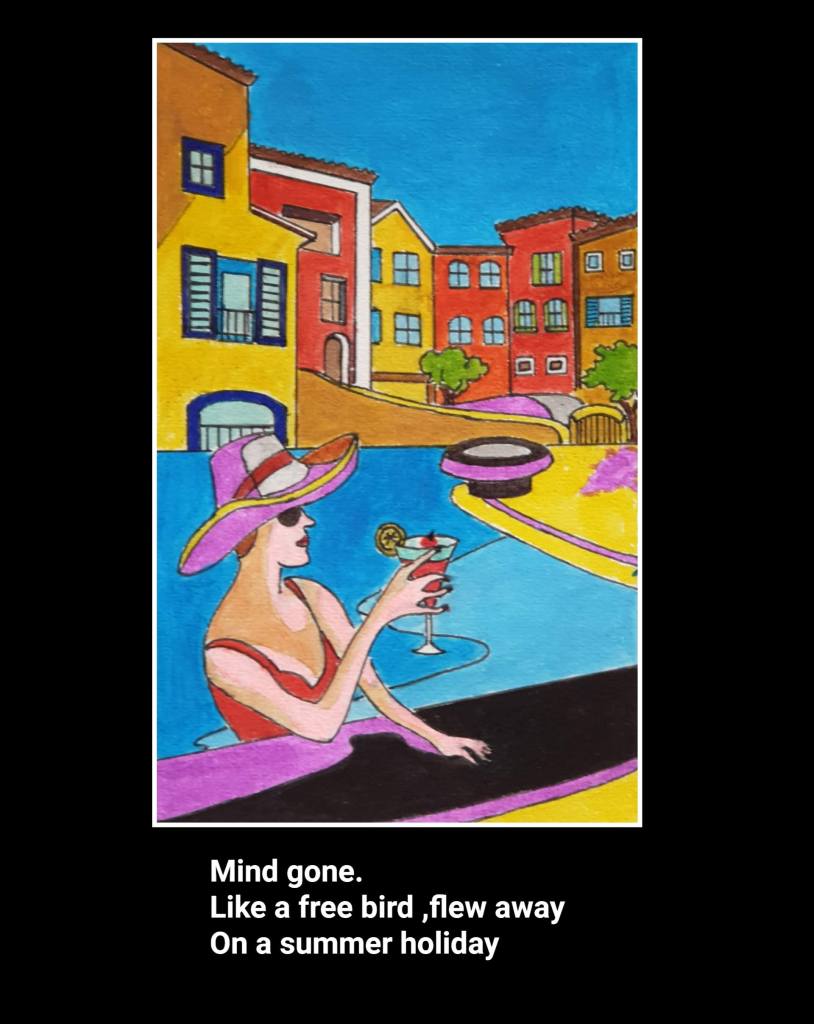
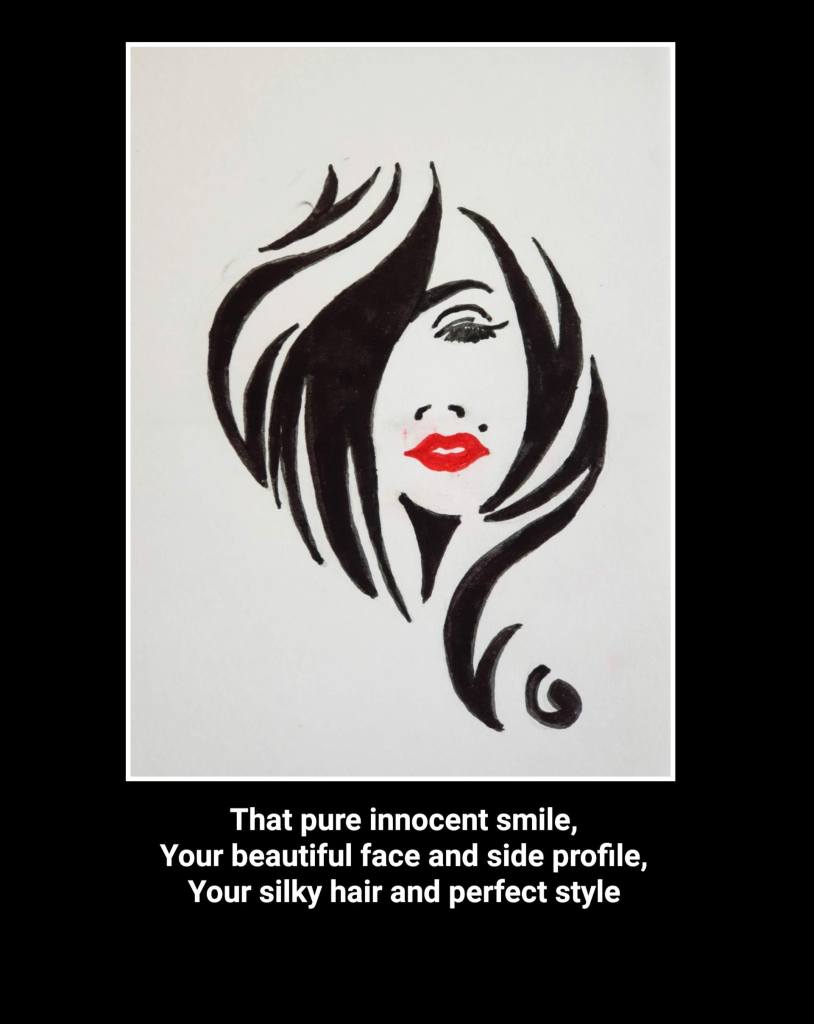
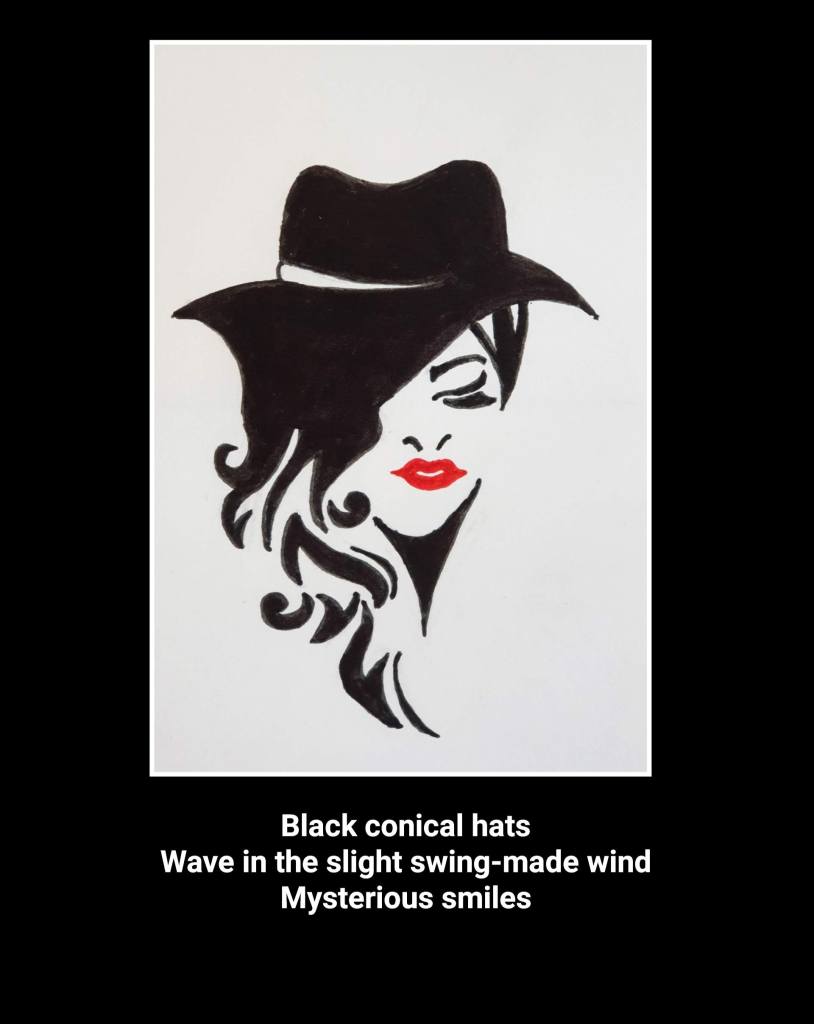
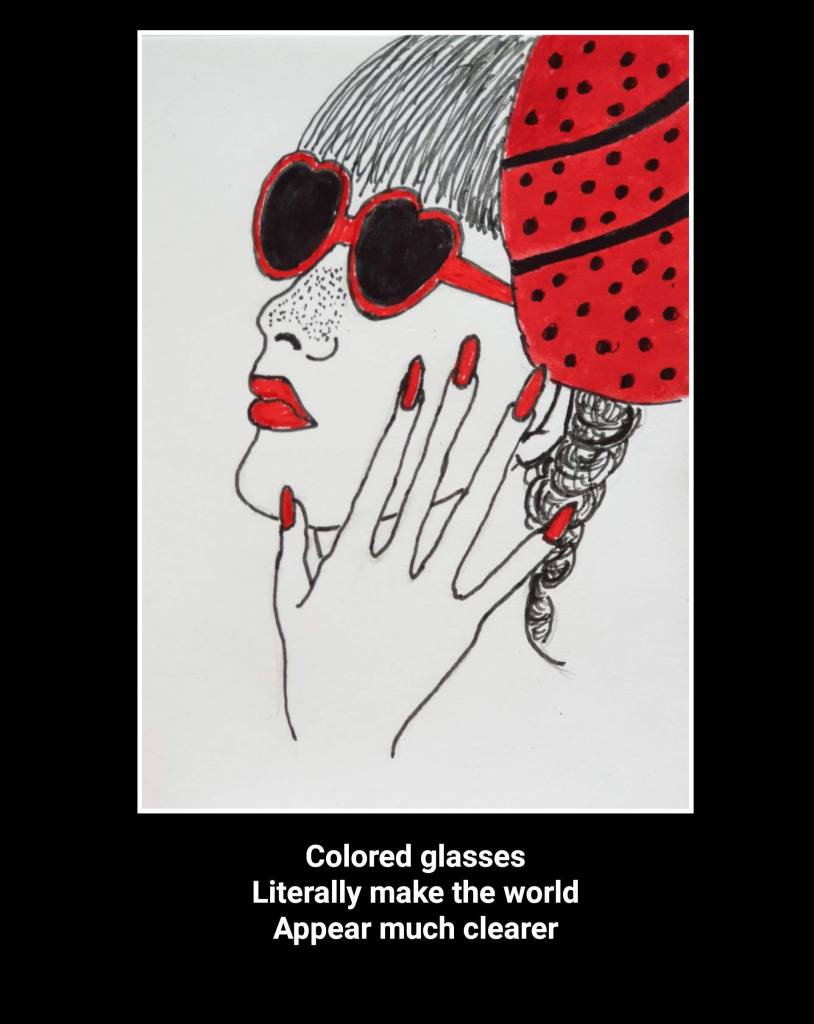
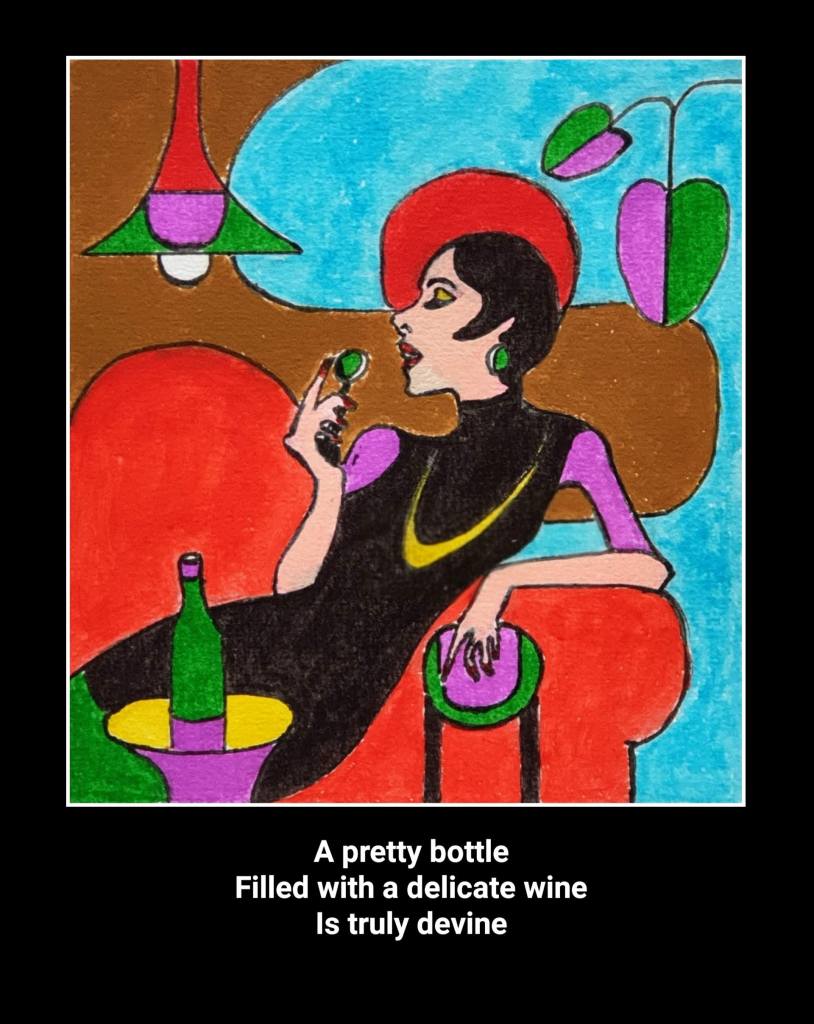
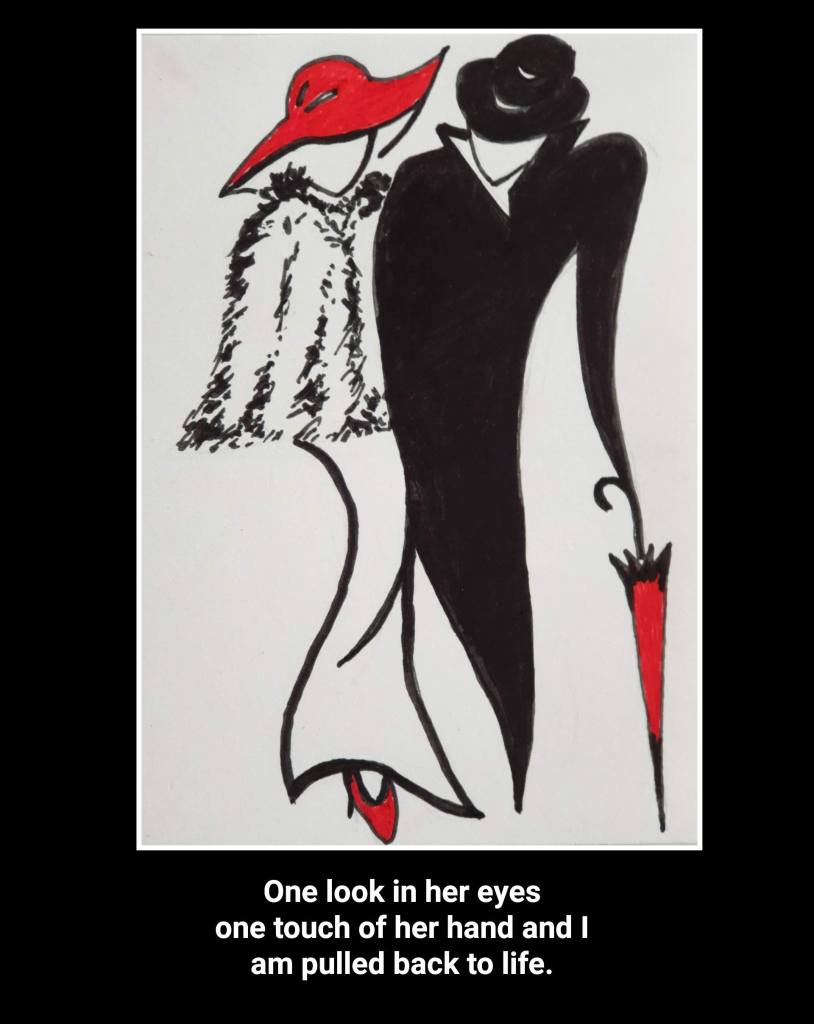
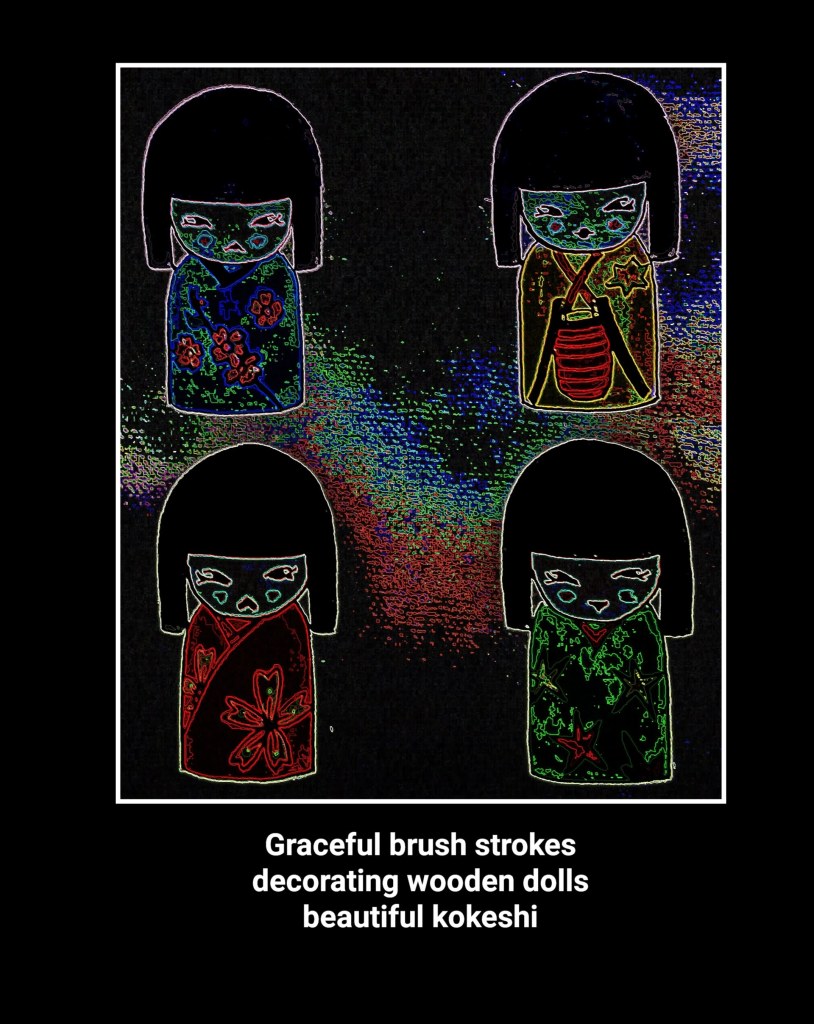
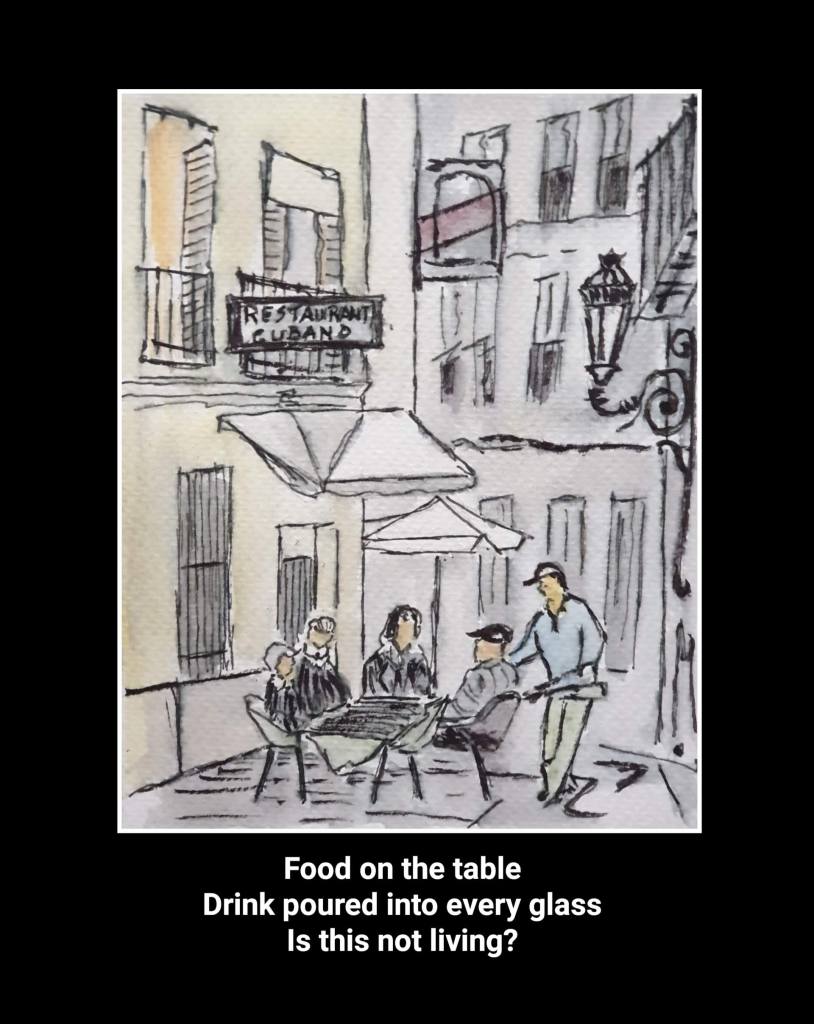
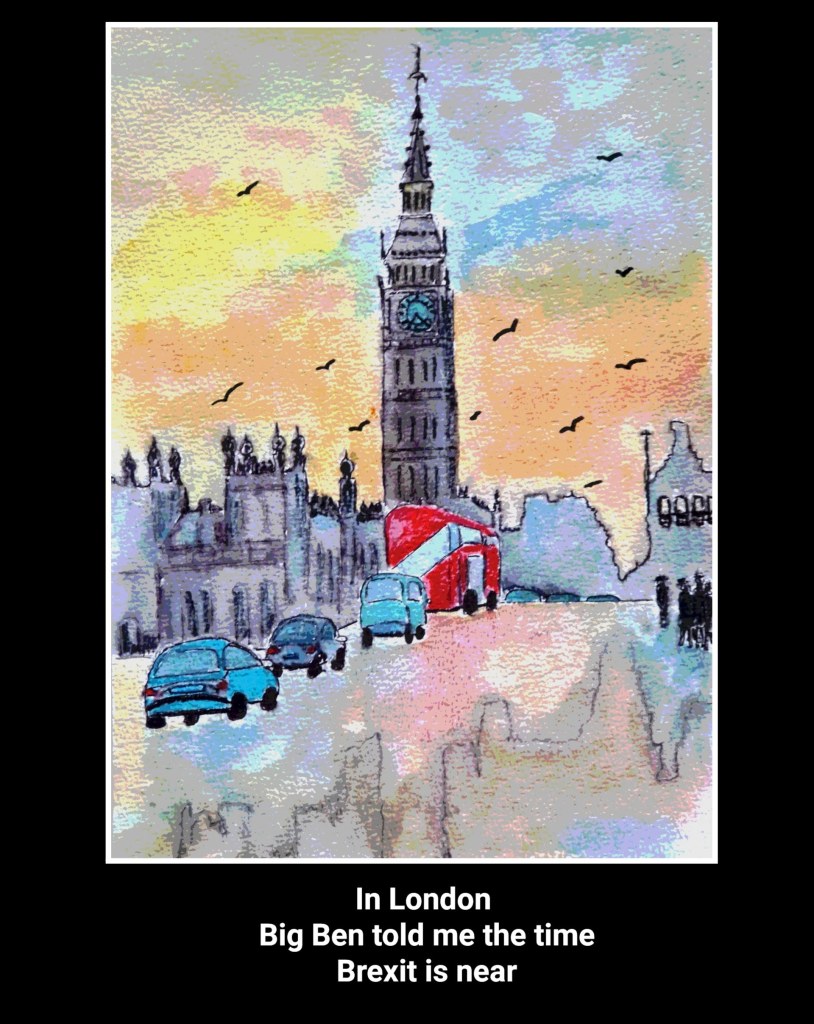
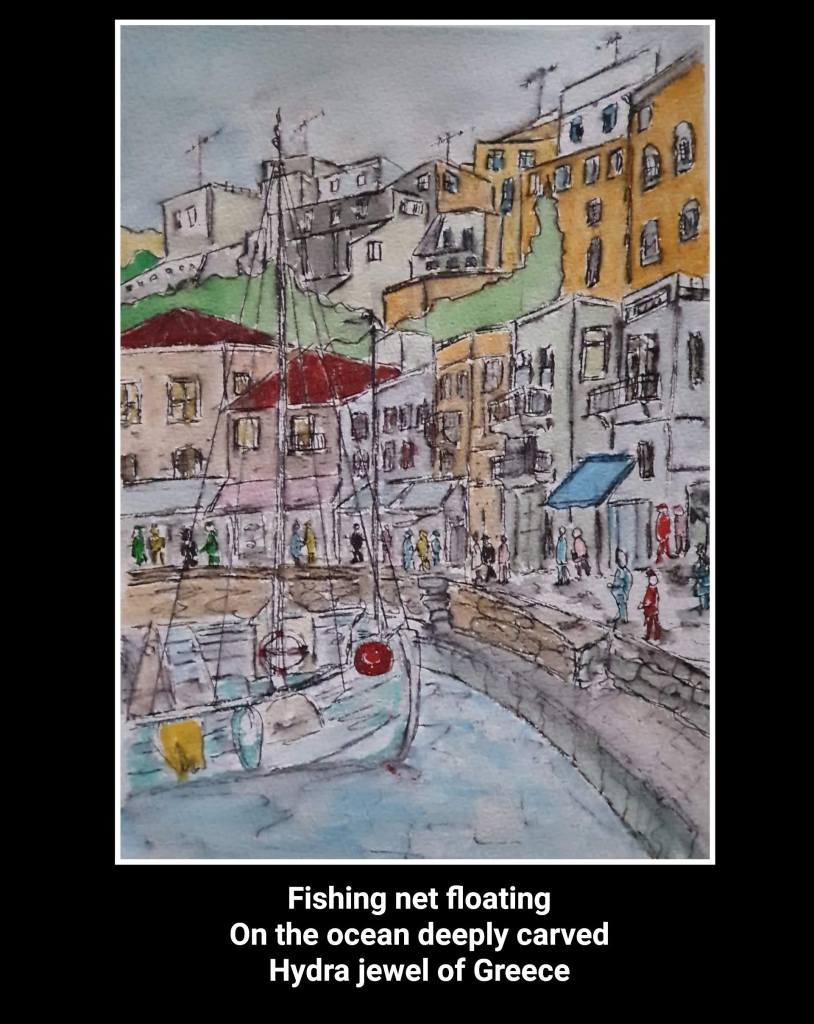
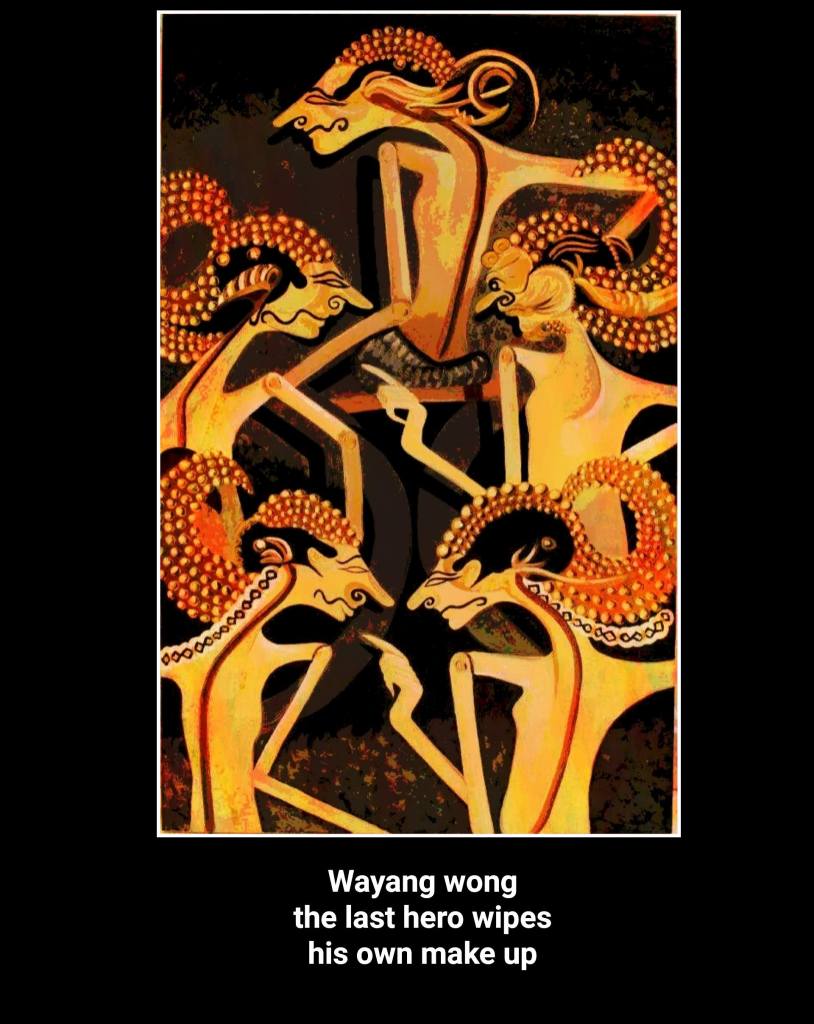
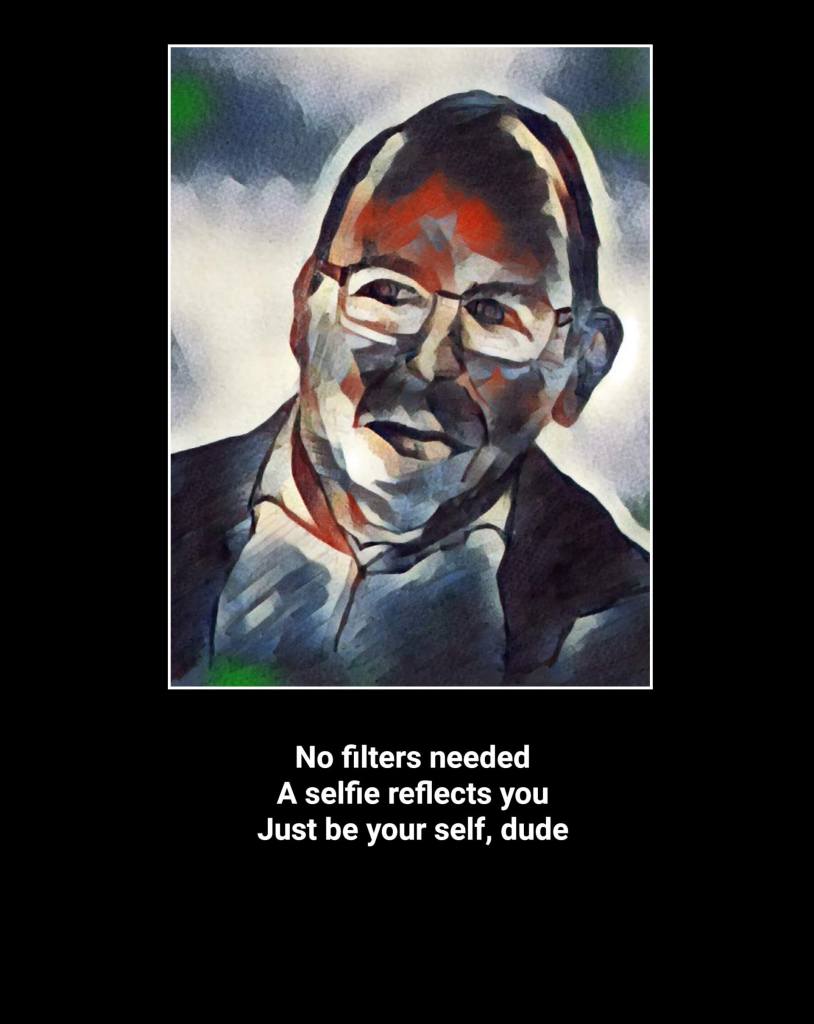
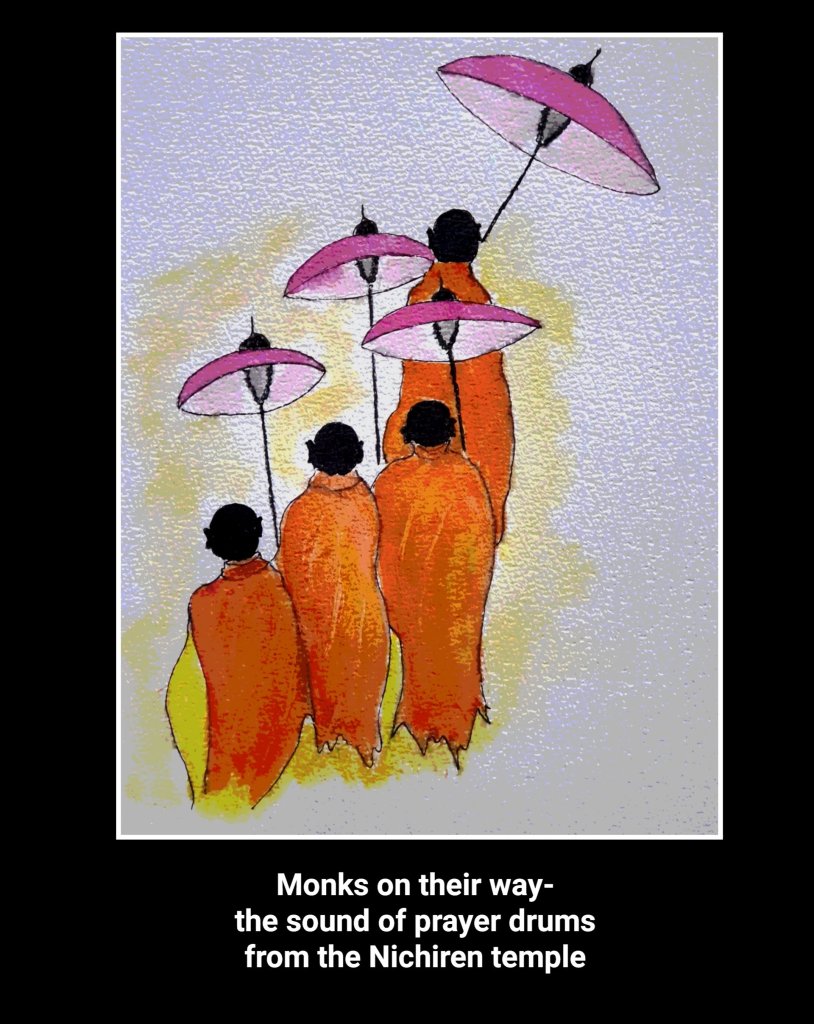
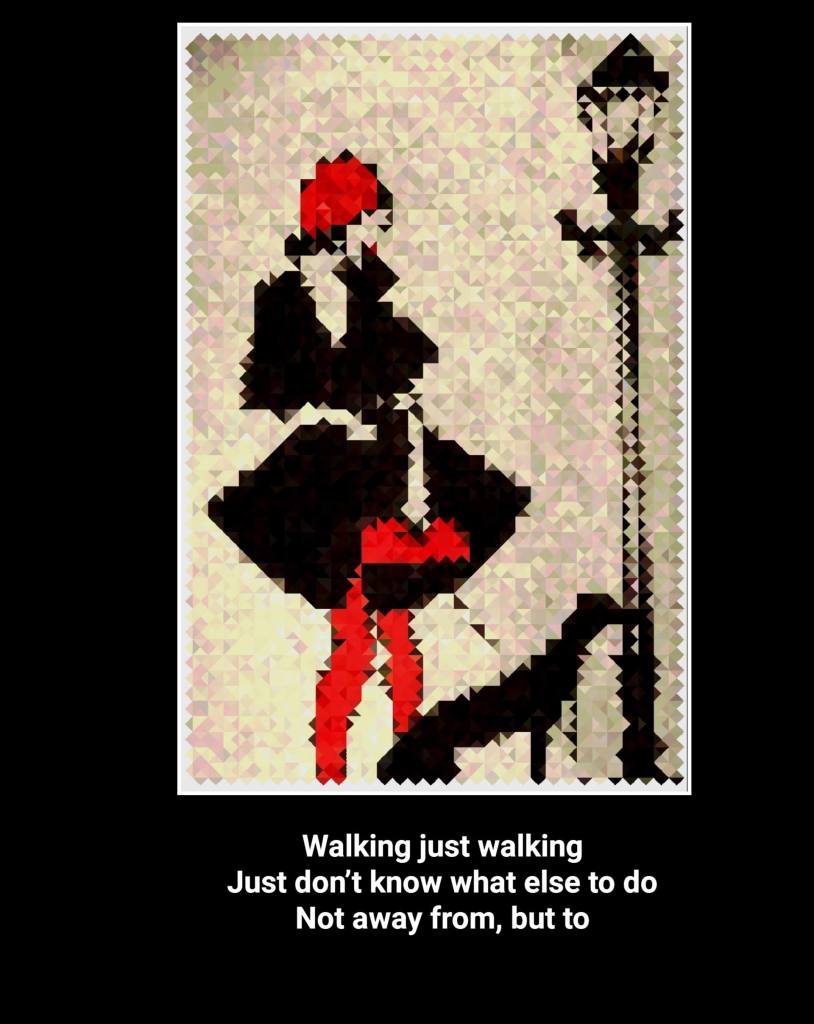
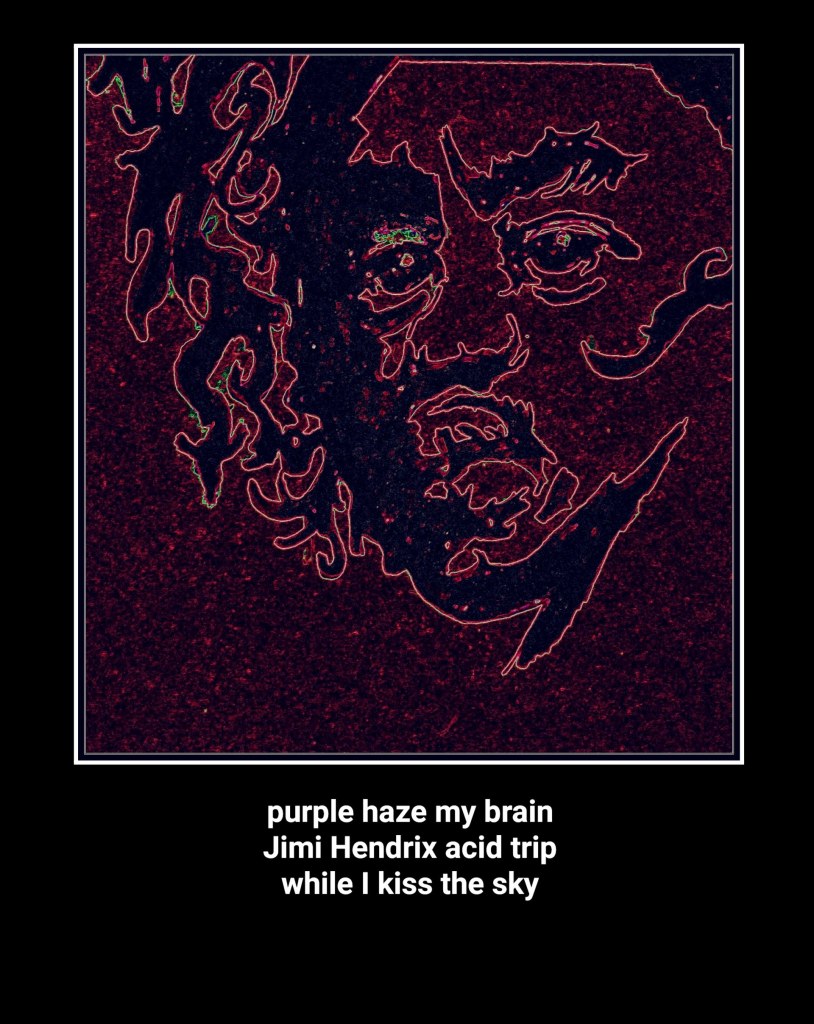
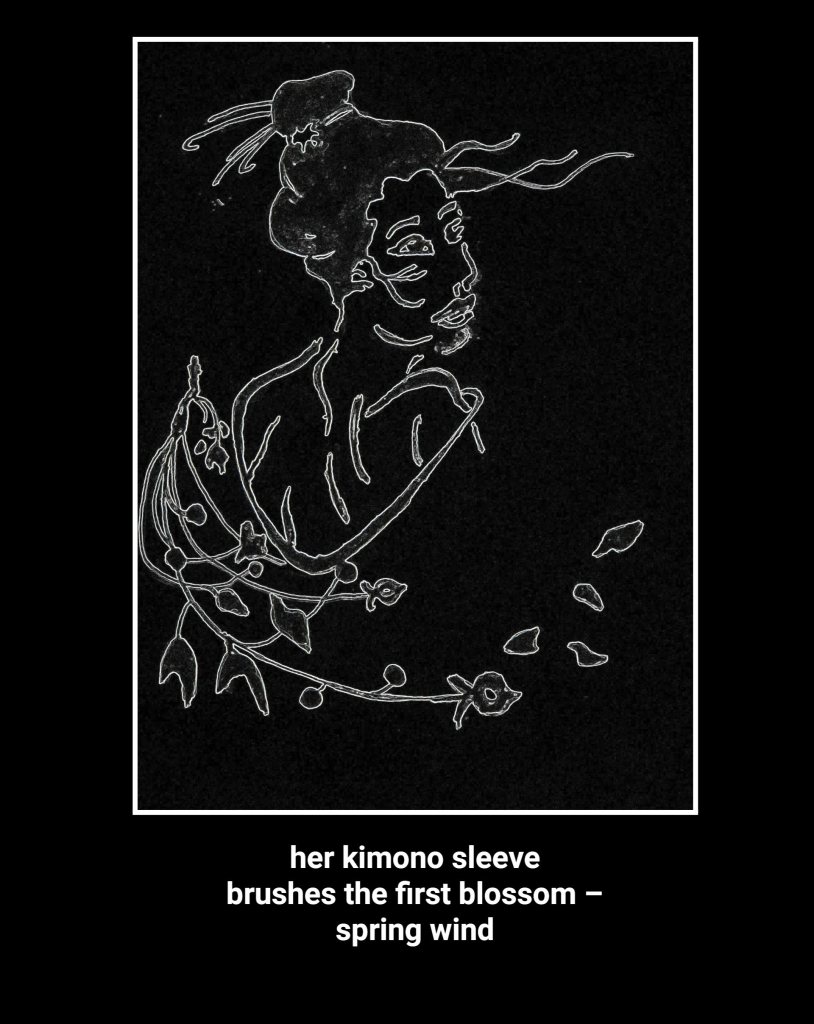
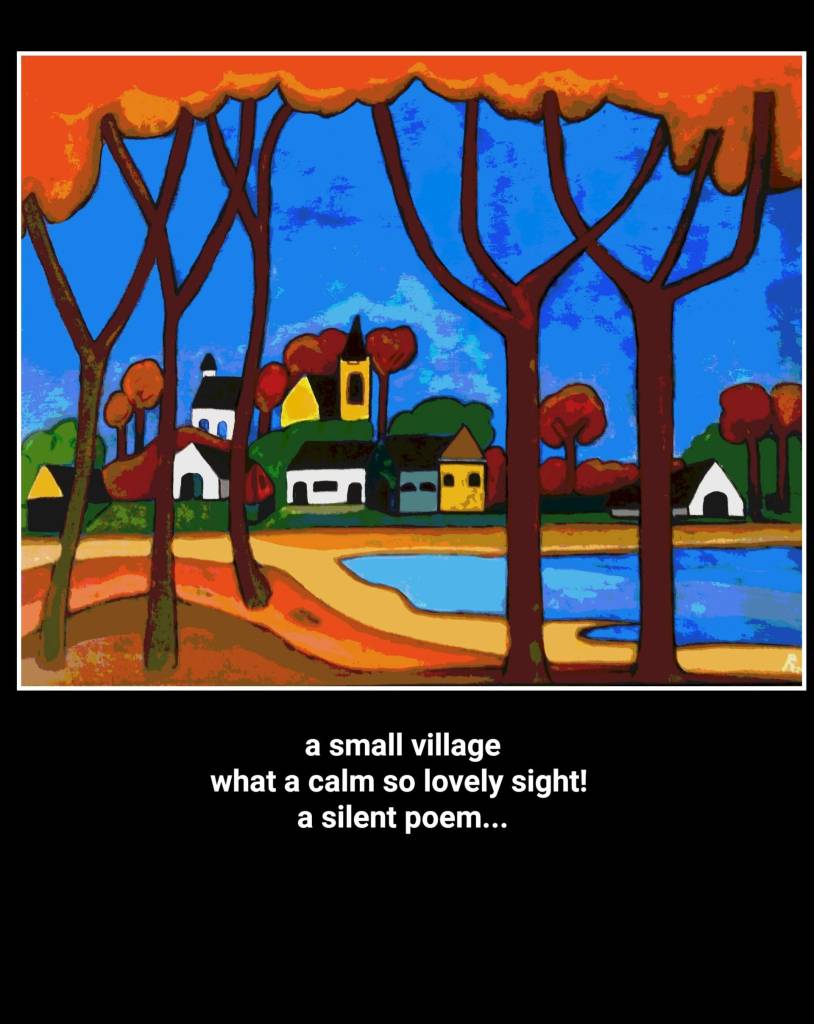
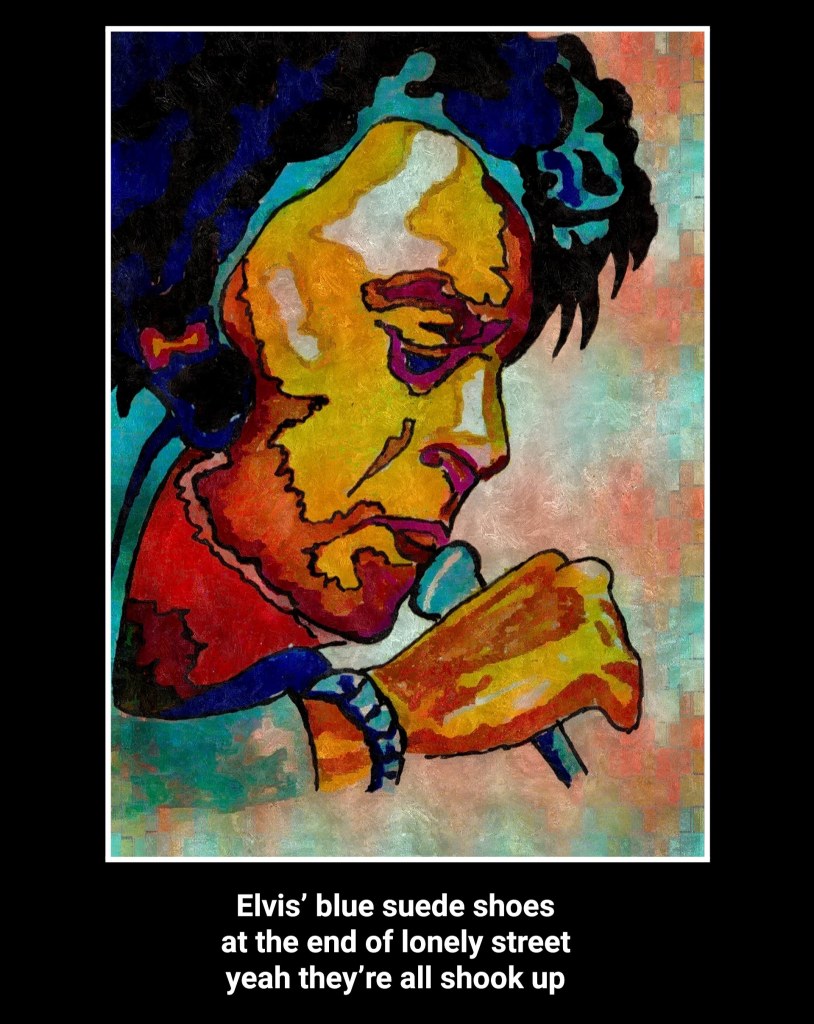
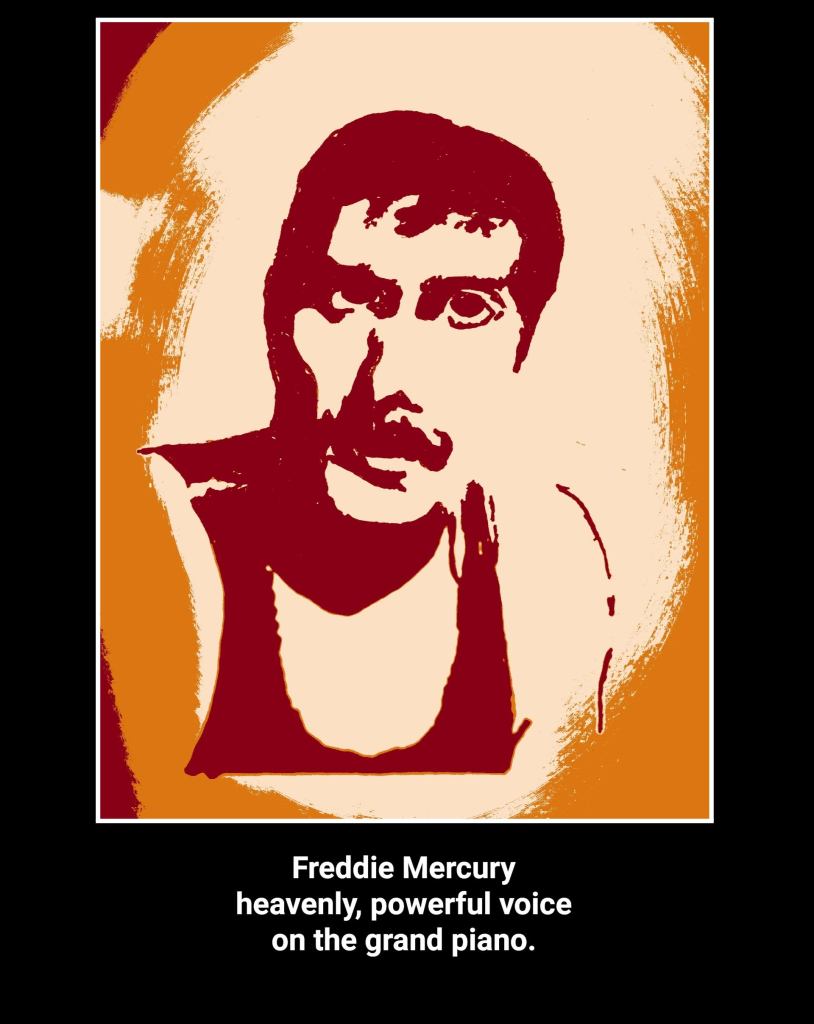
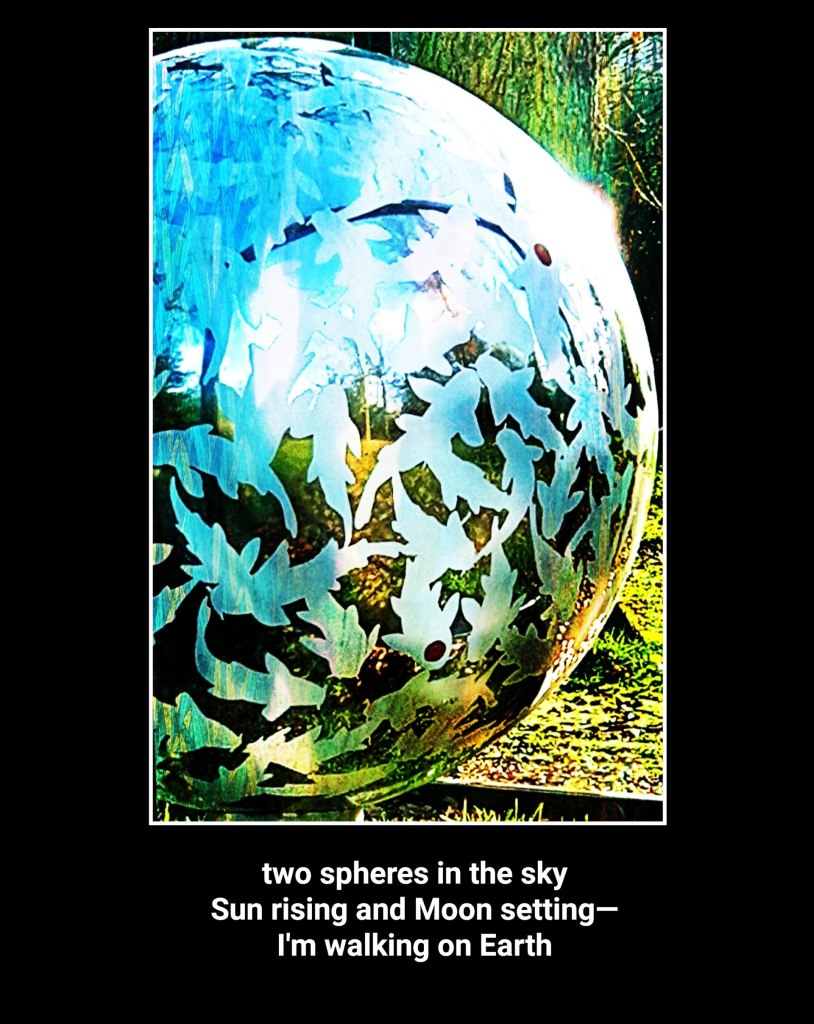
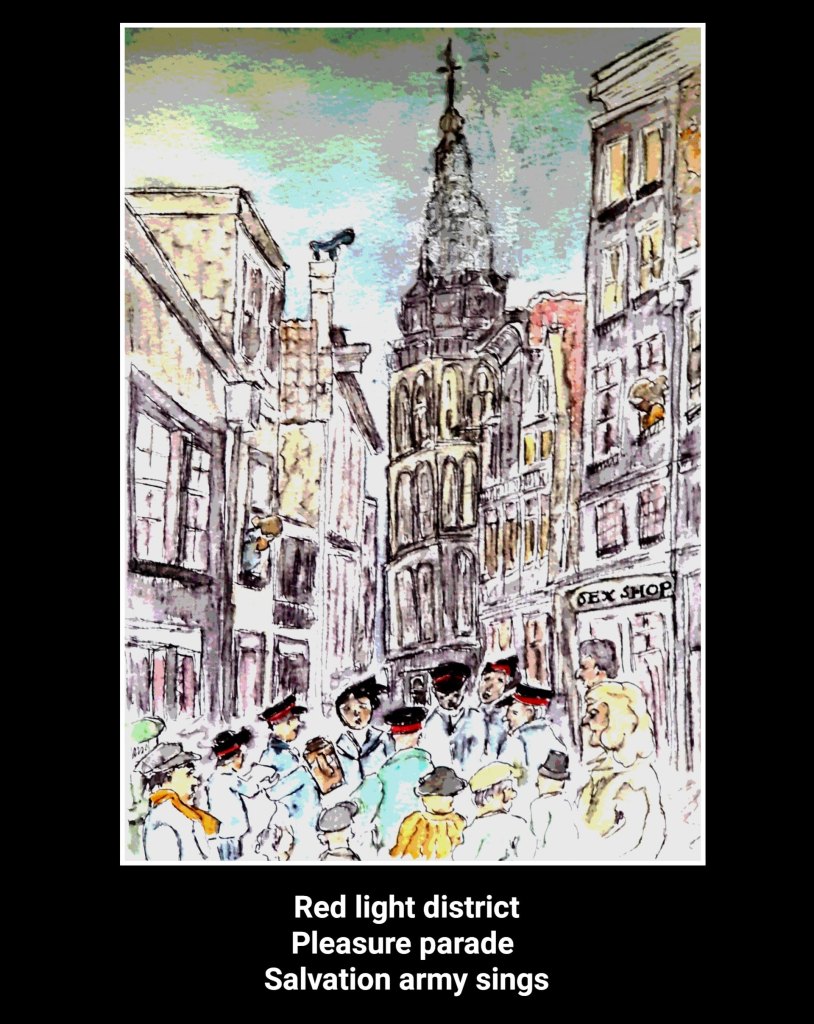
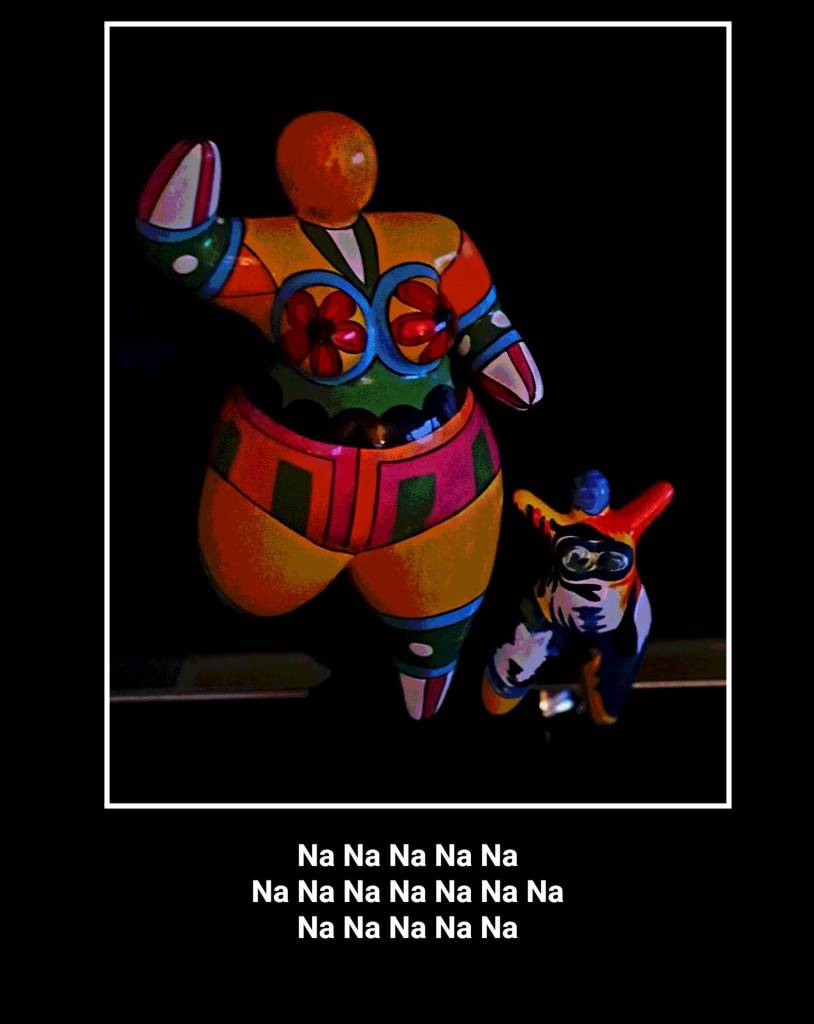
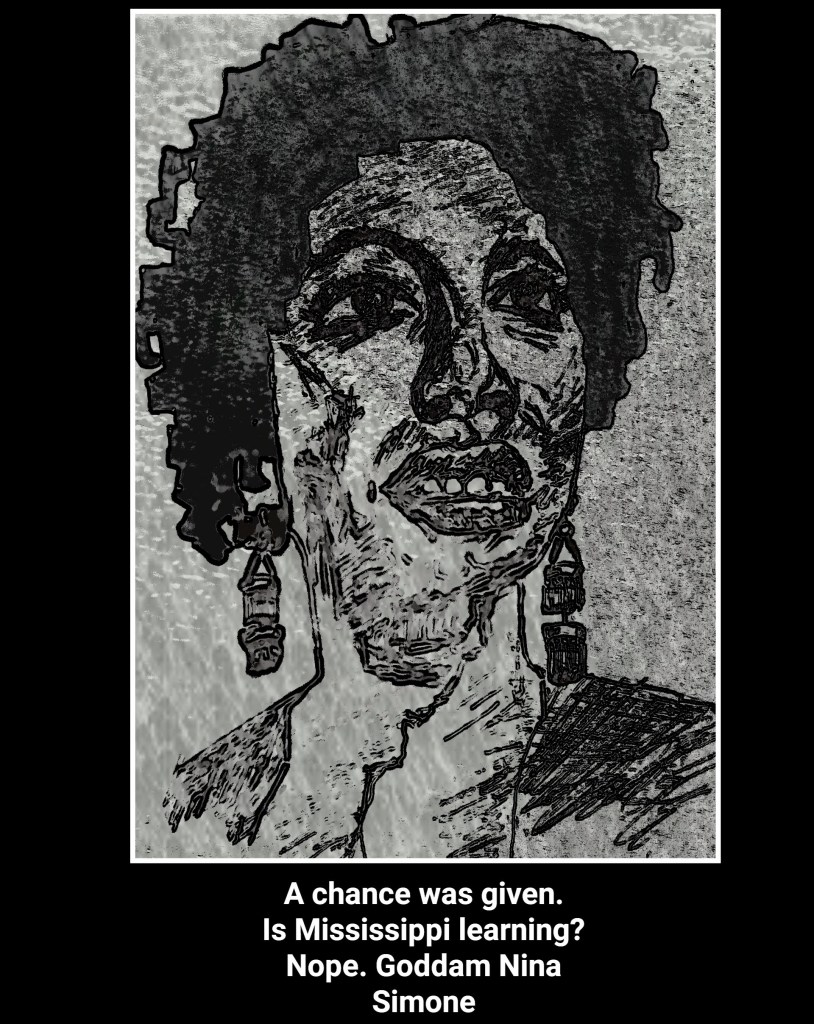
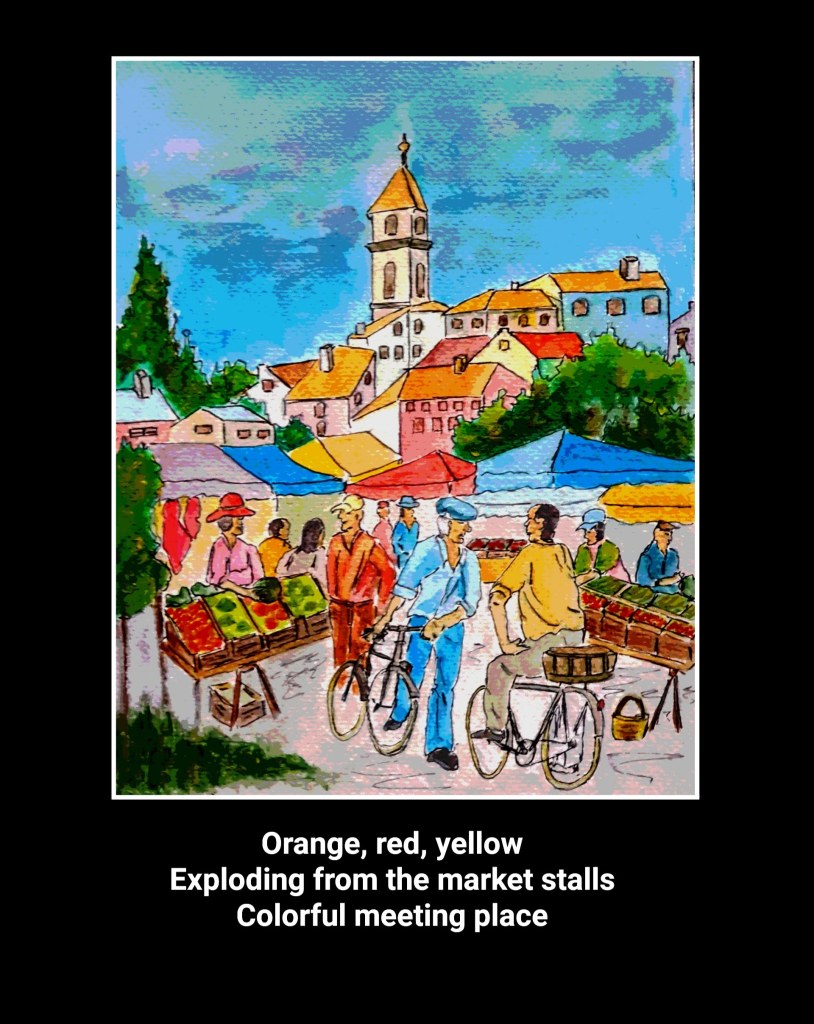
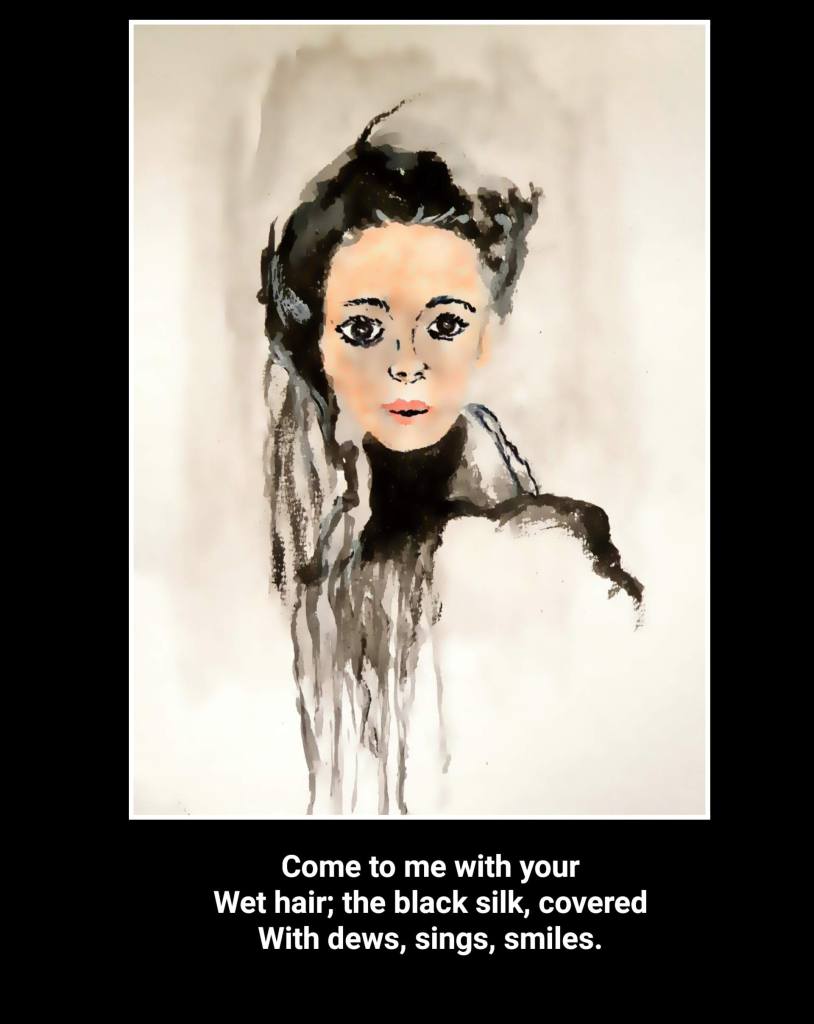
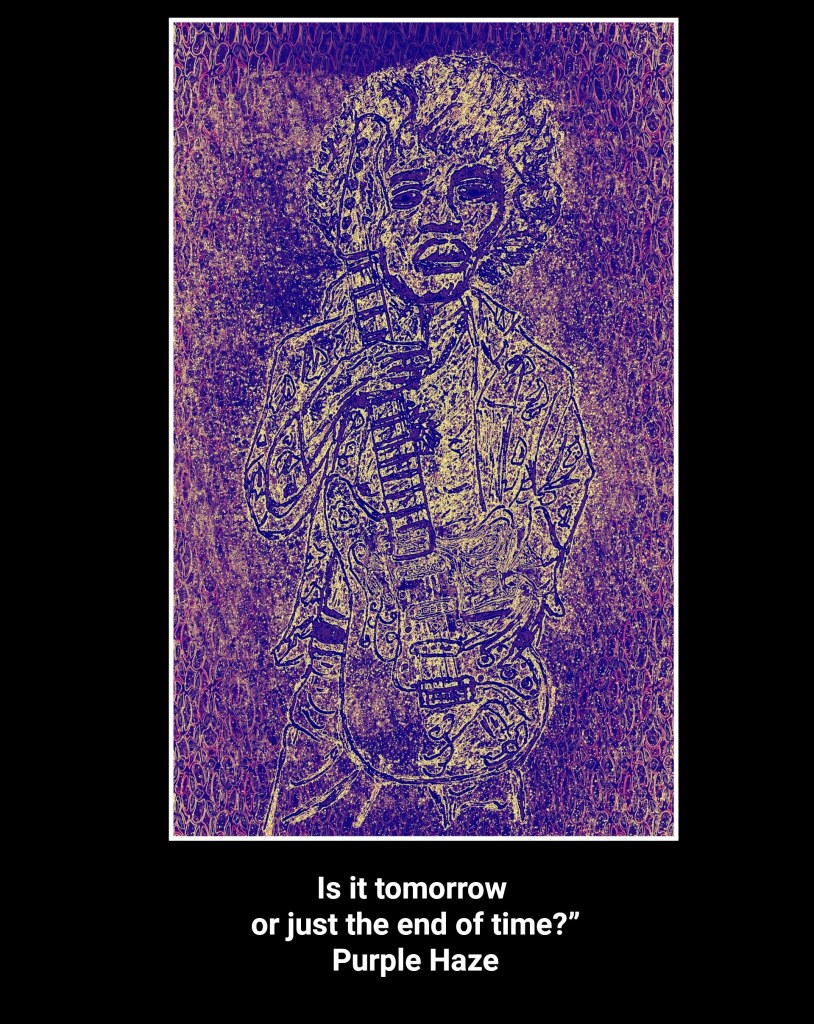
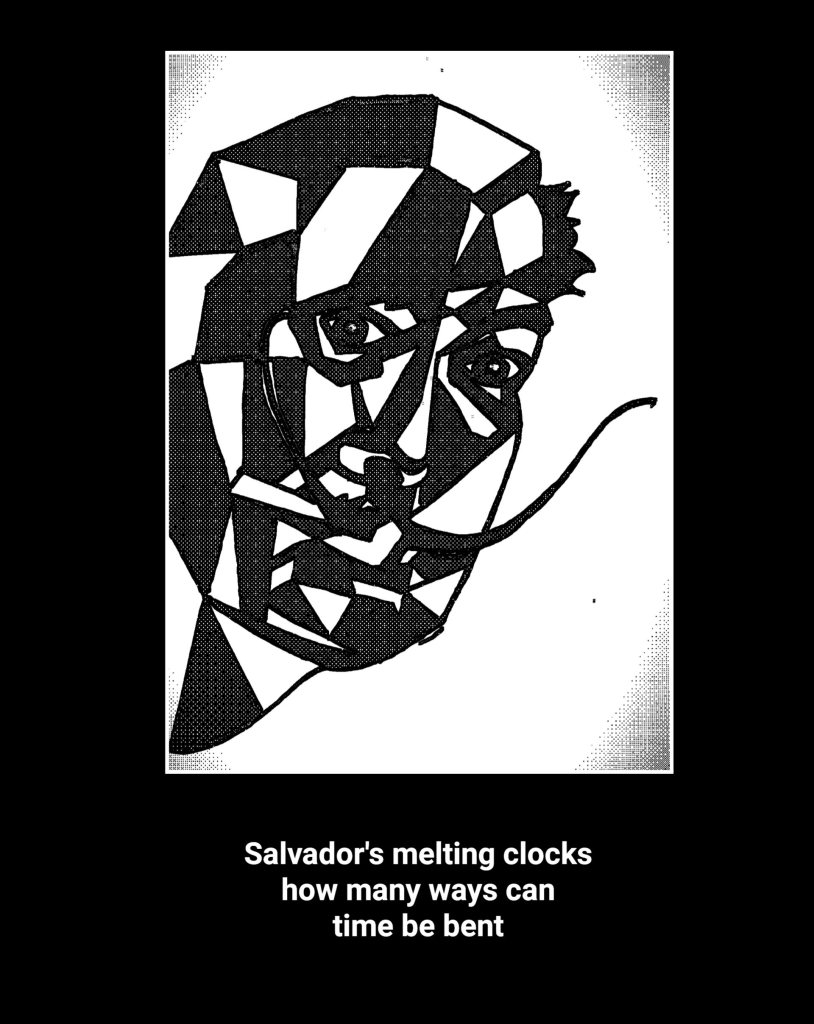
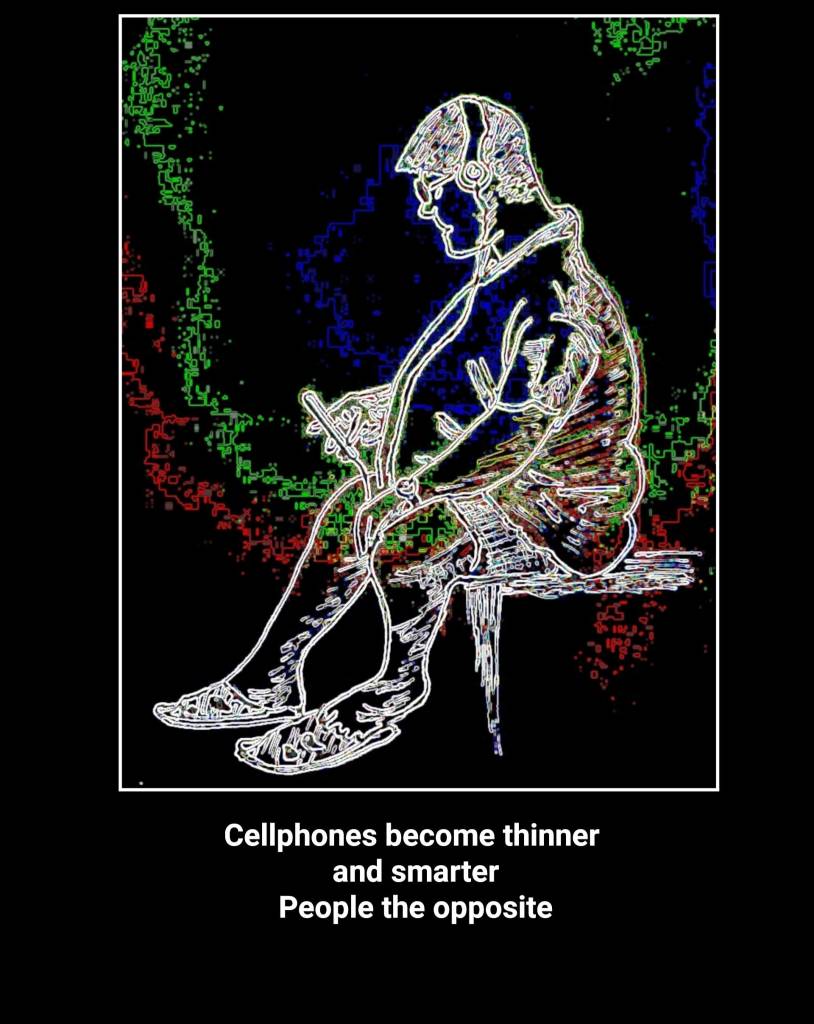
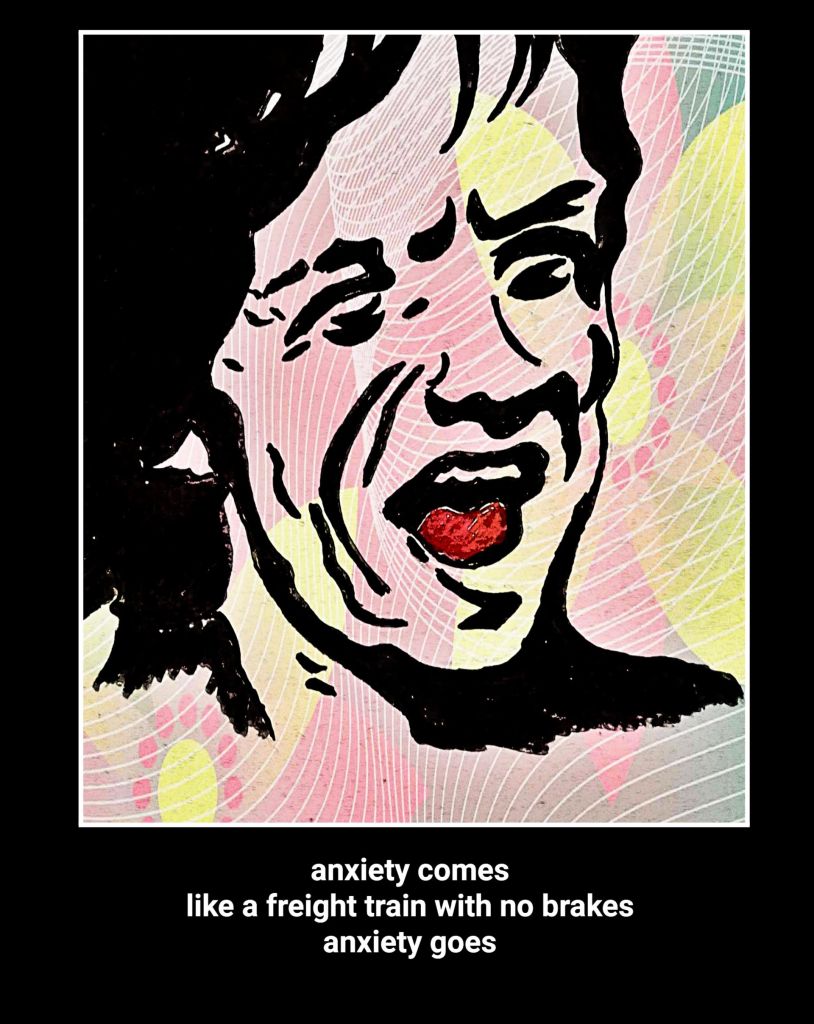
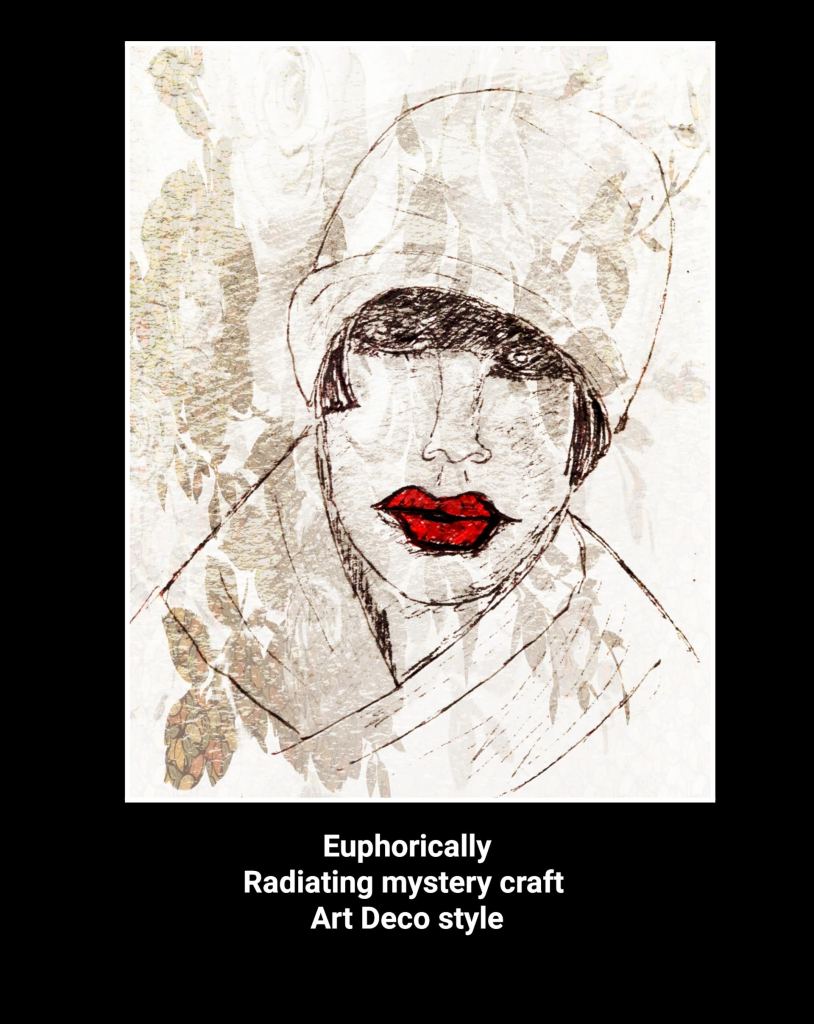
I like to experiment with paintings,drawings and sometimes photo’s in combination with short Haiku-style poetry.For me the combination reflects a certain emotion or feeling.
The following selection illustrates this.









 Ruud's Gallery